Published on:
6 min read
By Hannah Foster · Decluttering Writer
Why Is Decluttering So Hard? Understanding Emotional Attachment
Facing my emotional ties to items was a game-changer for decluttering. It wasn't just about physical stuff—it was about the memories and meanings tethered to them.
Facing the Emotional Weight of My Belongings
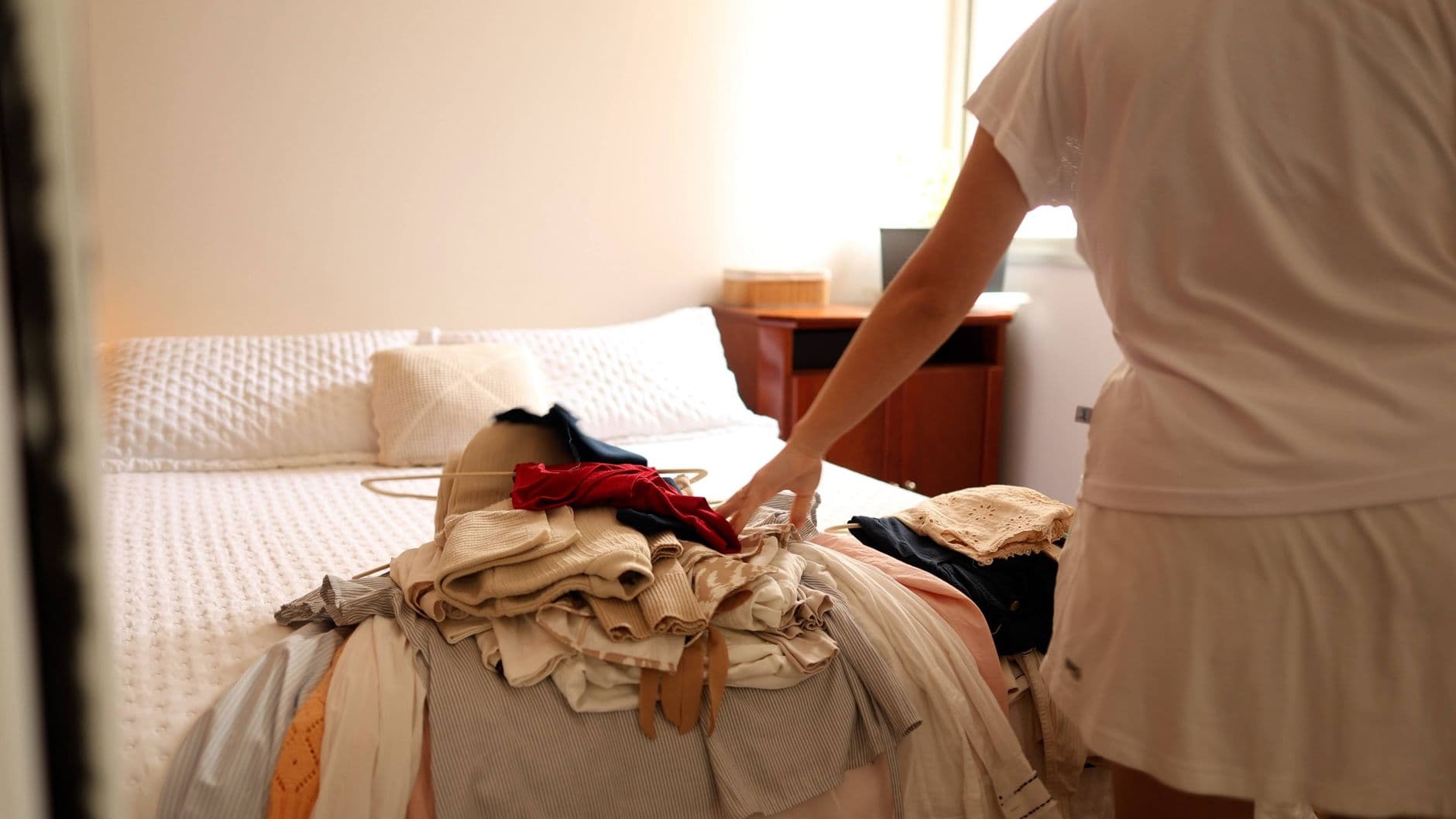
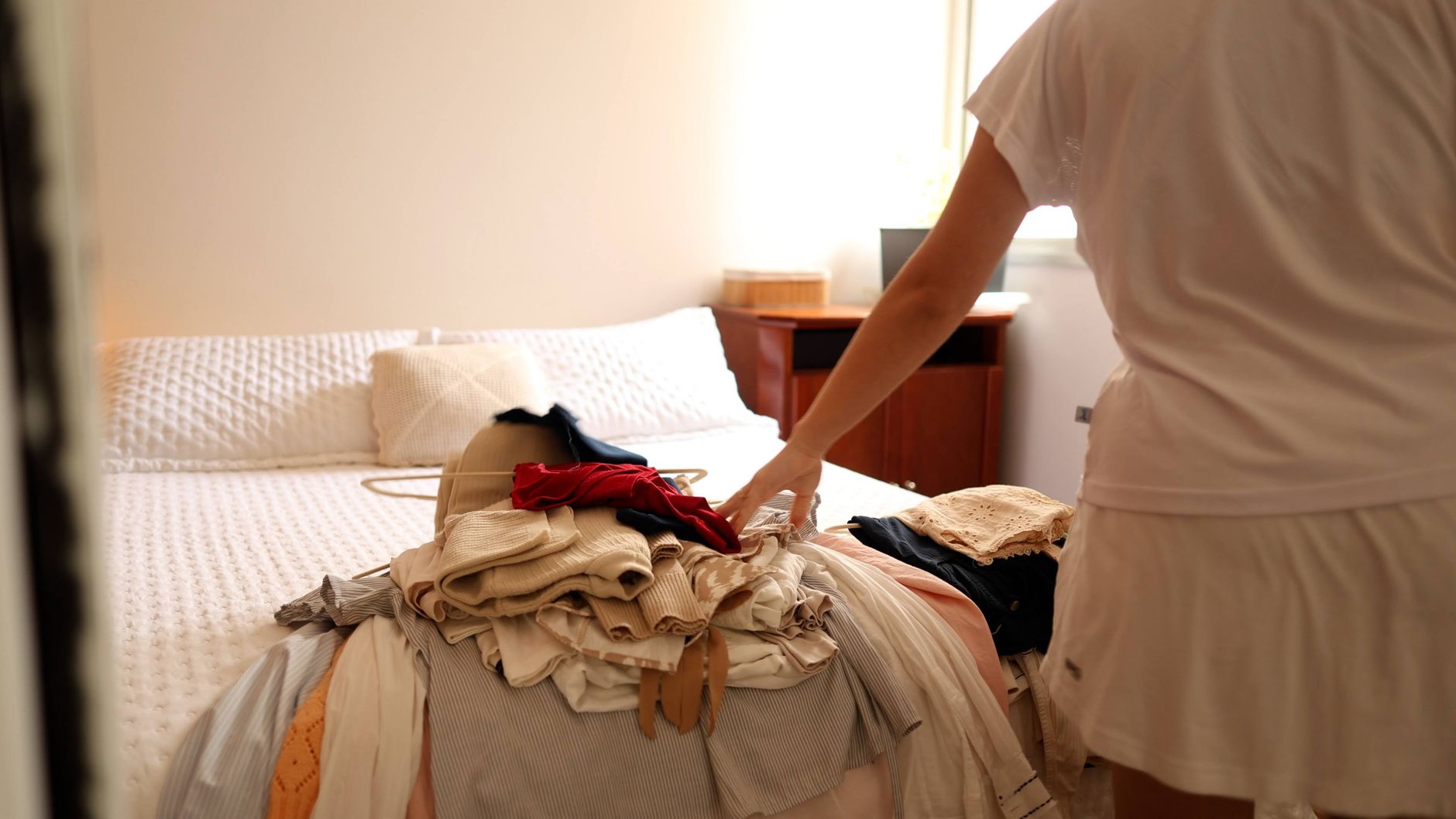
When I first decided to declutter my home, I imagined it would be a straightforward process of sorting through items and deciding what to keep, donate, or discard. However, I found myself stalling over a box of old letters and trinkets from my college days. These weren't just items—they were tangible memories, each carrying a weight of nostalgia and sentiment that I hadn't anticipated. I realized that much of my clutter was tied to various life chapters, each with its own set of emotions and meanings. Through this journey, I've learned how recognizing and addressing these emotional ties can significantly impact the effectiveness of decluttering.
Initially, I thought decluttering would take just a weekend. However, I quickly found that it was a process that required much more time and introspection. Each item seemed to carry a part of my history, and discarding them felt like erasing part of my identity. I spent nearly two weeks working through just one room, sorting, reminiscing, and often getting lost in memories. This was a far cry from my original plan, but I began to understand the importance of respecting the emotional process alongside the physical act of decluttering.
The College Keepsake Conundrum
One concrete example of my struggle was a shoebox filled with souvenirs from a college backpacking trip across Europe. Inside were ticket stubs, postcards, and a few small stones collected from various trails. I hadn't opened that box in years, yet I couldn't bring myself to throw it away. Each item represented a moment of freedom and adventure, a time when life felt limitless. The turning point came when I decided to photograph the items—preserving the memory while letting go of the physical clutter.
This exercise took me about two afternoons in total. I sat down with each piece, remembered the moments they represented, and captured them digitally. In the end, I kept only three items that held significant meaning—a pebble from the Cliffs of Moher, a postcard from Paris, and a concert ticket from Berlin. The rest, I let go, freeing up an entire shelf in my closet. It was a challenging but liberating experience, acknowledging that while the physical items were dispensable, the memories they invoked were permanent.
What I learned from this was the importance of intentionality. By deliberately choosing to keep only what truly mattered, I was able to honor my past without being weighed down by it. This newfound clarity also freed me from the guilt of letting go, as I realized that the essence of those experiences remained with me, even without the physical reminders.
The Emotional Attachment Breakdown
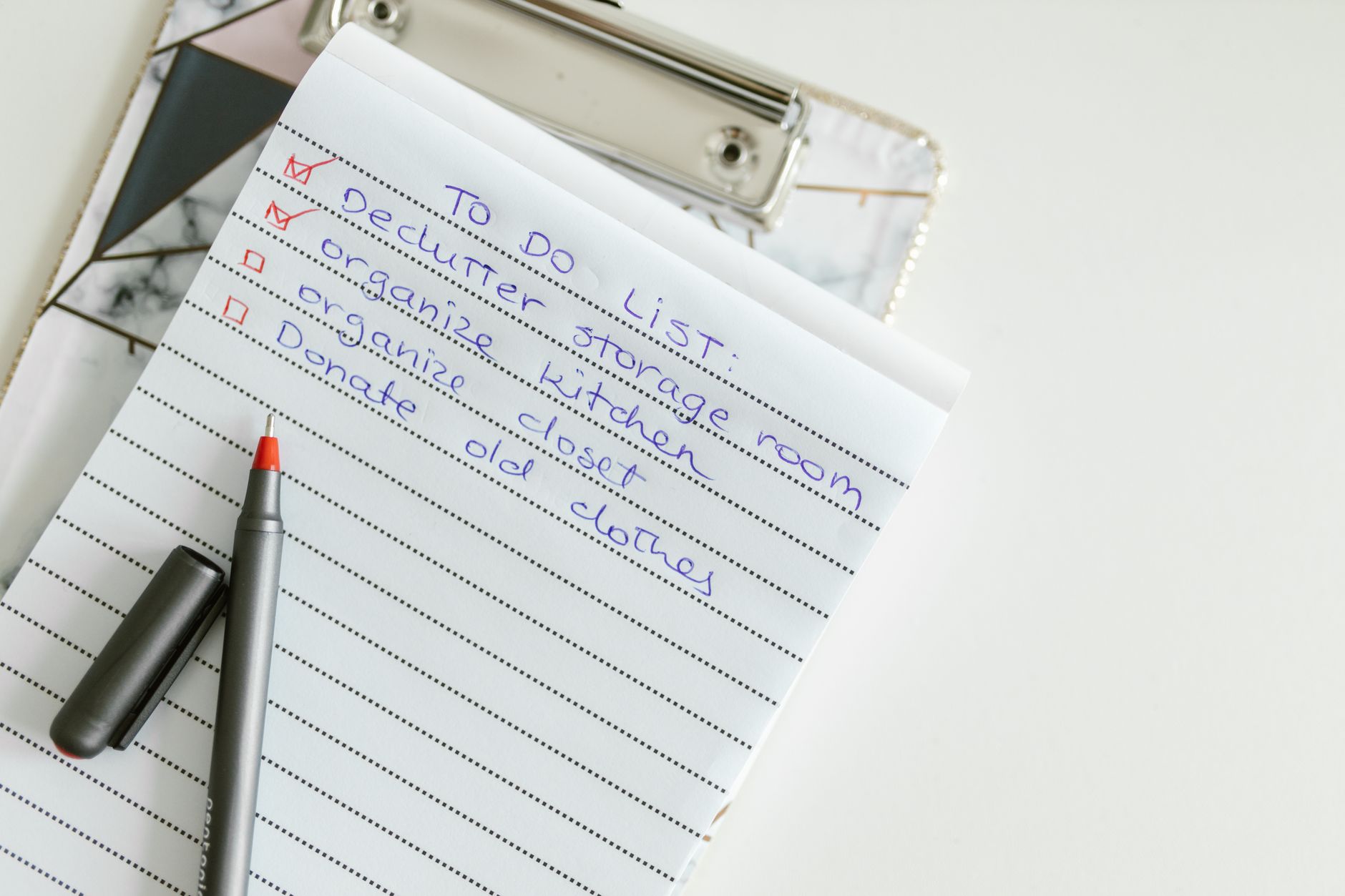
Understanding the emotional attachment behind my items helped me develop a practical approach to decluttering. I identified three main categories of emotional attachments that often complicated my efforts:
- Sentimental items, such as family heirlooms and gifts from loved ones.
- Identity items, like clothing or books that represented past phases of my life.
- Aspirational items, including hobby supplies that I intended to use but never did.
Comparing Emotional vs. Functional Decluttering
As I delved deeper into decluttering, I discovered that the approach one takes can significantly impact the process's success and satisfaction. Decluttering based on functionality differs from decluttering based on emotional attachment in several ways.
The functional approach is straightforward, focusing on whether an item serves a present purpose. It's efficient and often driven by a need to optimize space. In contrast, emotional decluttering is more nuanced, requiring time to reflect on the sentimental value and personal history of each item. This method can be emotionally taxing but ultimately more rewarding if you're seeking deeper clarity and connection with your possessions.
Through this comparison, I learned that integrating both functional and emotional aspects made my decluttering process more holistic and satisfying. It allowed me to respect my past while embracing the present, leading to a more balanced and intentional living space.
| Functional Decluttering | Emotional Decluttering | Mixed Approach |
|---|---|---|
| Focuses on utility | Focuses on feelings | Balances both |
| Quick decisions | Slow, reflective process | Moderate pace |
| Less sentimental impact | High sentimental impact | Mid-level impact |
Practical Steps to Overcome Emotional Attachments
Over time, I developed a series of practical steps that helped me simplify the process of emotionally charged decluttering. These strategies not only made the task manageable but also meaningful:
- Identify the emotional ties: Take time to distinguish between sentimental, identity, and aspirational attachments.
- Photograph items: Capture memories digitally before letting go of physical items, preserving the past while clearing space.
- Set time limits: Allocate specific time slots for decluttering sessions to prevent emotional fatigue and keep the process focused.
- Start small: Begin with a single drawer or box to build momentum and confidence without feeling overwhelmed.
- Enlist support: Invite a friend or family member to provide an external perspective and emotional support during challenging decisions.
Reader Questions on Emotional Decluttering
Q: How do I decide what sentimental items to keep?
Focus on items that evoke the strongest positive emotions and have genuine significance to your personal history. It's about quality, not quantity.
Q: What if I regret discarding something?
Remember that the emotional value lives in your memories, not the item itself. Take comfort in the fact that you've honored those memories by acknowledging their significance.
Q: How can I deal with guilt when discarding gifts?
Acknowledge the appreciation for the thought behind the gift, but recognize that the obligation to keep it does not serve you or the giver. Consider donating to someone who might need it more.
Q: How do I handle family heirlooms I don't want?
Consider passing them onto other family members who may value them. If that's not possible, find creative ways to repurpose them or consult the family about their preferences.
EditorialOur Take
Decluttering with emotional attachments in mind isn't for everyone. It requires introspection and a willingness to confront past versions of yourself. If you're someone who struggles with letting go due to sentimental reasons, this approach can be incredibly freeing, helping you to make peace with your past while creating space for your present and future. However, if you're looking for a quick clean-up, this method might feel unnecessarily drawn out. That said, for those willing to give it a try, the emotional clarity and physical space you gain can be significantly rewarding. Embracing this process has not only transformed my living space but also provided deeper insights into my relationship with my belongings. It's about finding balance and peace within my environment, one item at a time.
Published on .
Share now!

Hannah Foster
Decluttering Writer
Hannah Foster writes Annyblog's decluttering stories. She has moved apartments more times than she'd like to admit, and each move taught her something about letting go of stuff. Hannah favors gentle, guilt-free decluttering over dramatic purges. Hannah uses AI tools to research, draft, and help keep these articles accurate.
More from Hannah →The information on this site is of a general nature only and is not intended to address the specific circumstances of any particular individual or entity. It is not intended or implied to be a substitute for professional advice.
Get our best tips in your inbox
A short, practical email now and then. No spam, and you can unsubscribe anytime.