Published on:
5 min read
By Hannah Foster · Decluttering Writer
Decluttering for Different Life Stages: A Comparative Approach
I've discovered how decluttering shifts dramatically from your 20s to your 40s. What worked in my college dorm didn't apply to family life, requiring tailored strategies.
- •Understanding Decluttering Needs at Different Life Stages
- •Decluttering in Your 20s: Keeping It Light and Flexible
- •Decluttering in Your 40s: Tackling Volume and Sentimentality
- •A Comparative Look: 20s vs 40s Decluttering Strategies
- •Practical Steps for Decluttering Across Ages
- •Decluttering Q&A
- •Our Take
Understanding Decluttering Needs at Different Life Stages
Recently, I found myself reflecting on how my approach to decluttering has evolved over the years. Back in my 20s, I’d focused on maximizing space in a tiny apartment shared with two roommates. Fast forward to my 40s, and the challenges are entirely different—a full house with kids and the accumulation of family memories. This article delves into how decluttering strategies vary between different stages of life, offering practical insights and comparisons to help you find what suits your current phase best. From the minimalism that defined my early adulthood to the more complex negotiation with sentimentality as a parent, understanding these shifts is crucial to maintaining a calm, organized home.
Decluttering in Your 20s: Keeping It Light and Flexible
In my 20s, my living situation was all about adaptability. I moved four times in six years, and the key was to keep things light. I remember having just one suitcase and a couple of boxes of essentials. My strategy revolved around minimalism, not out of preference but necessity. Books were exchanged at a local swap, clothes were frequently donated to keep my wardrobe under control, and digital solutions were my best friend—I digitized documents to avoid paper clutter. The biggest lesson was learning to let go quickly, a skill that later proved invaluable.
I rented furnished apartments to avoid buying furniture and used public transport to avoid the need for a car. This meant fewer belongings overall. The small space of my apartment, typically under 500 square feet, demanded creative solutions like multifunctional furniture. I discovered the value of collapsible items during this period; my collapsible laundry basket was a lifesaver.
Decluttering in Your 40s: Tackling Volume and Sentimentality
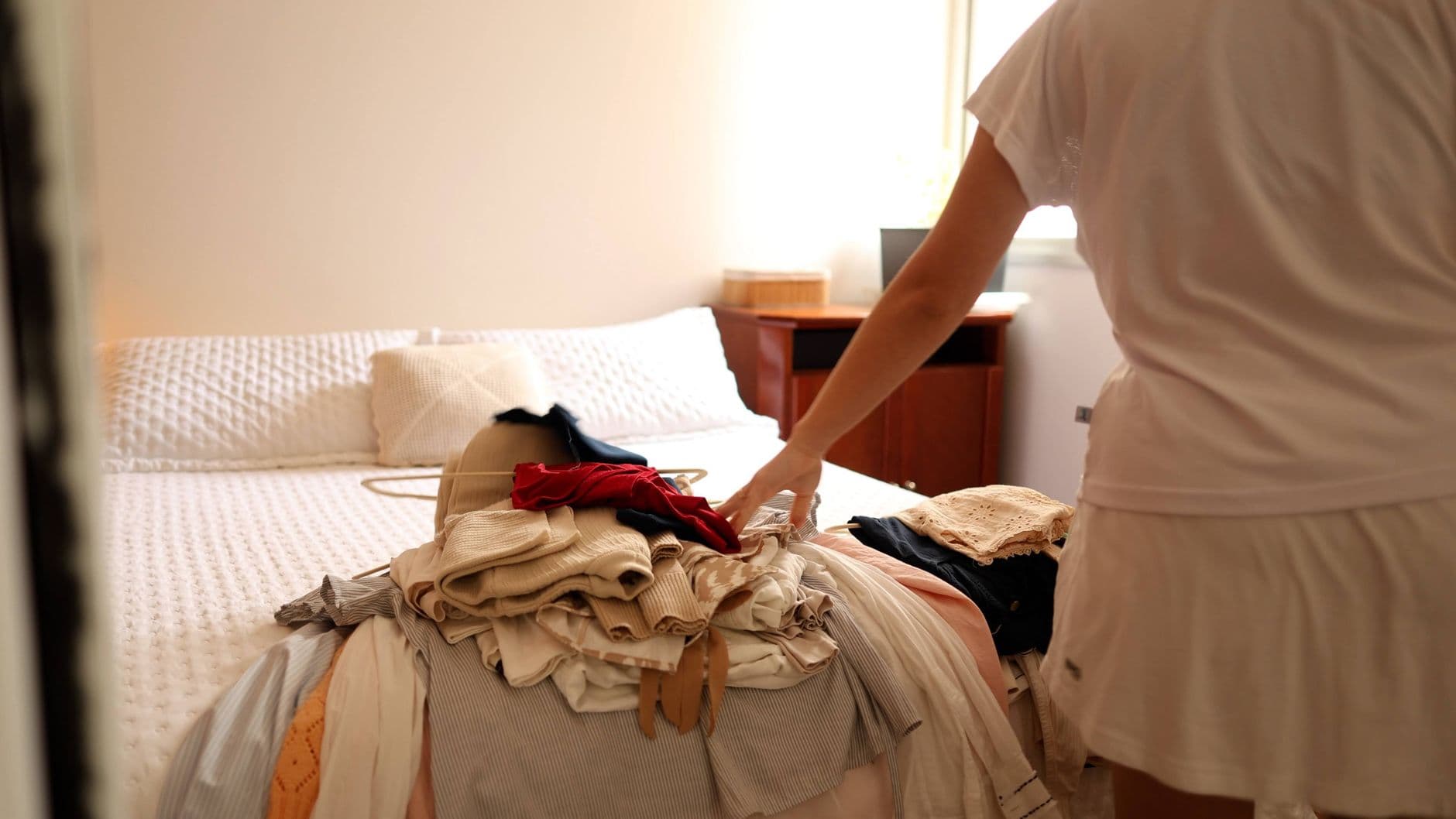
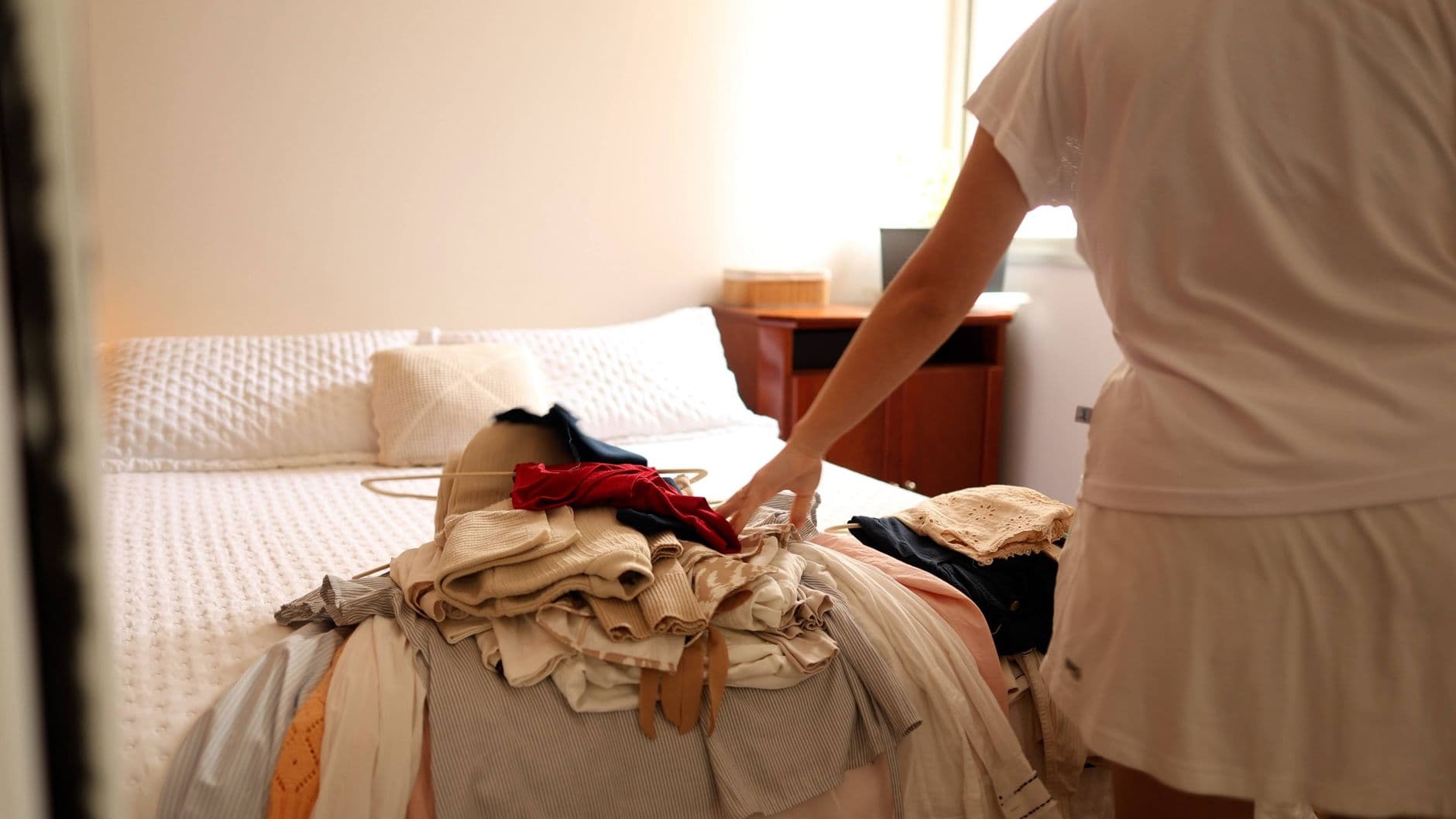
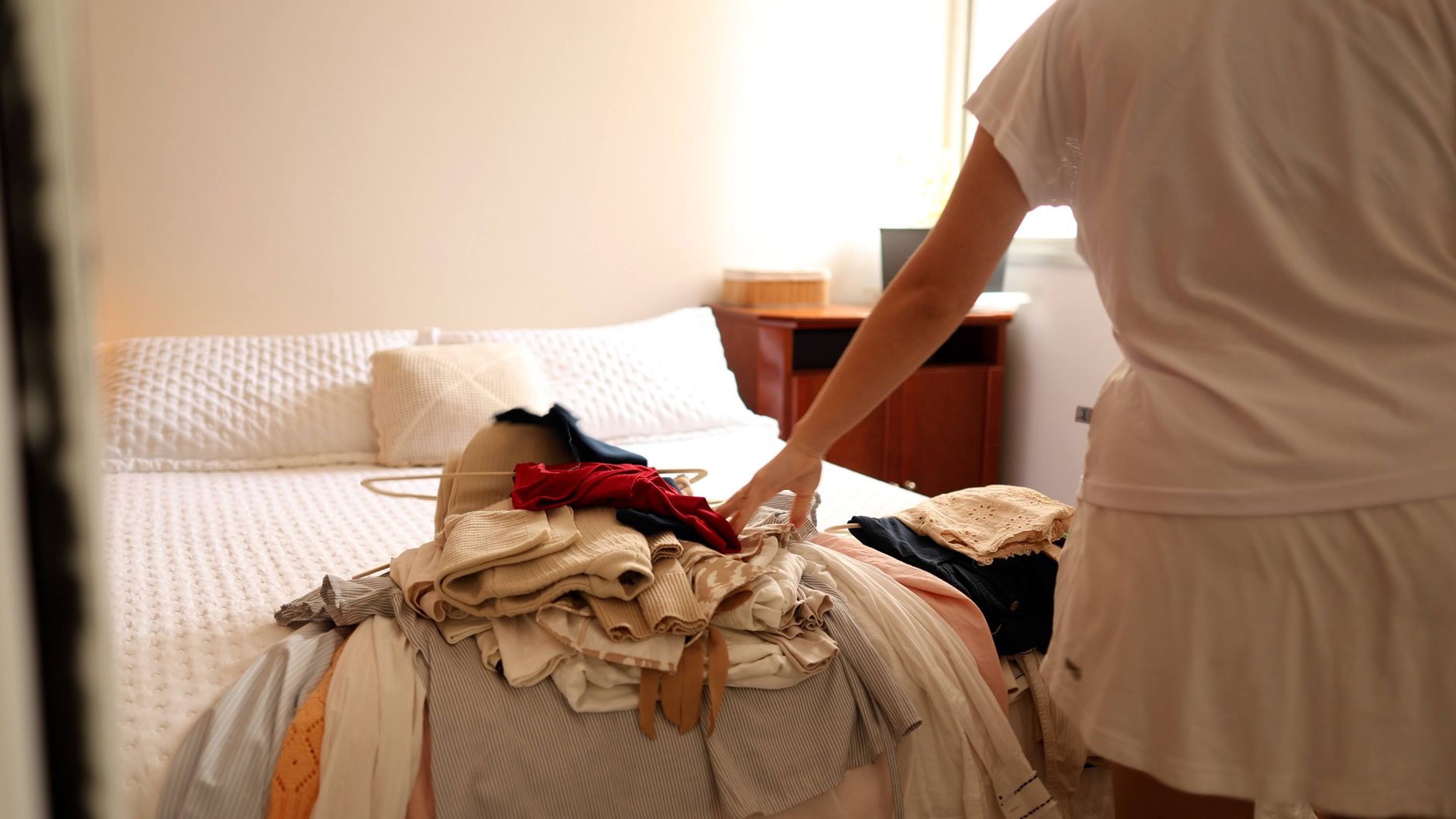
By my 40s, decluttering meant dealing with the emotional bond to items accumulated over time. Now, with two kids, it's a different ball game. Our home had grown to include not just my stuff but also school projects, toys, and various family memorabilia. I found myself setting aside weekends to tackle specific areas of the house. One such weekend, we spent about 8 hours sorting out the garage, where we discovered three forgotten boxes of winter clothes. Here, the process involved not just sorting but also negotiating with my family over what to keep.
The dining room table often became the central sorting area, with piles labeled 'keep', 'donate', and 'trash'. Emotional items like the kids’ artwork were the hardest to part with, so I started photographing pieces to save digitally. This satisfied my need to hold onto memories without keeping the physical clutter. In terms of volume, we downsized by about 30% in our initial efforts, making a significant difference in our living space.
A Comparative Look: 20s vs 40s Decluttering Strategies
What's striking is how the decluttering needs evolve with life stages. While both require effort and motivation, the focus shifts from mere space-saving to managing sentimental attachments and increased volume. Let's look at a comparison of strategies:
| Aspect | 20s | 40s |
|---|---|---|
| Focus | Minimalism | Managing Sentimentality |
| Strategy | Quick Purge | Family Involvement |
| Time Spent | 1-2 hours monthly | Full weekends |
| Decision Factors | Space and Mobility | Family Needs and Memories |
| Tools | Digital Solutions | Family Meetings and Sorting |
Practical Steps for Decluttering Across Ages
I've learned a few practical steps that can help streamline decluttering, tailored to different life phases:
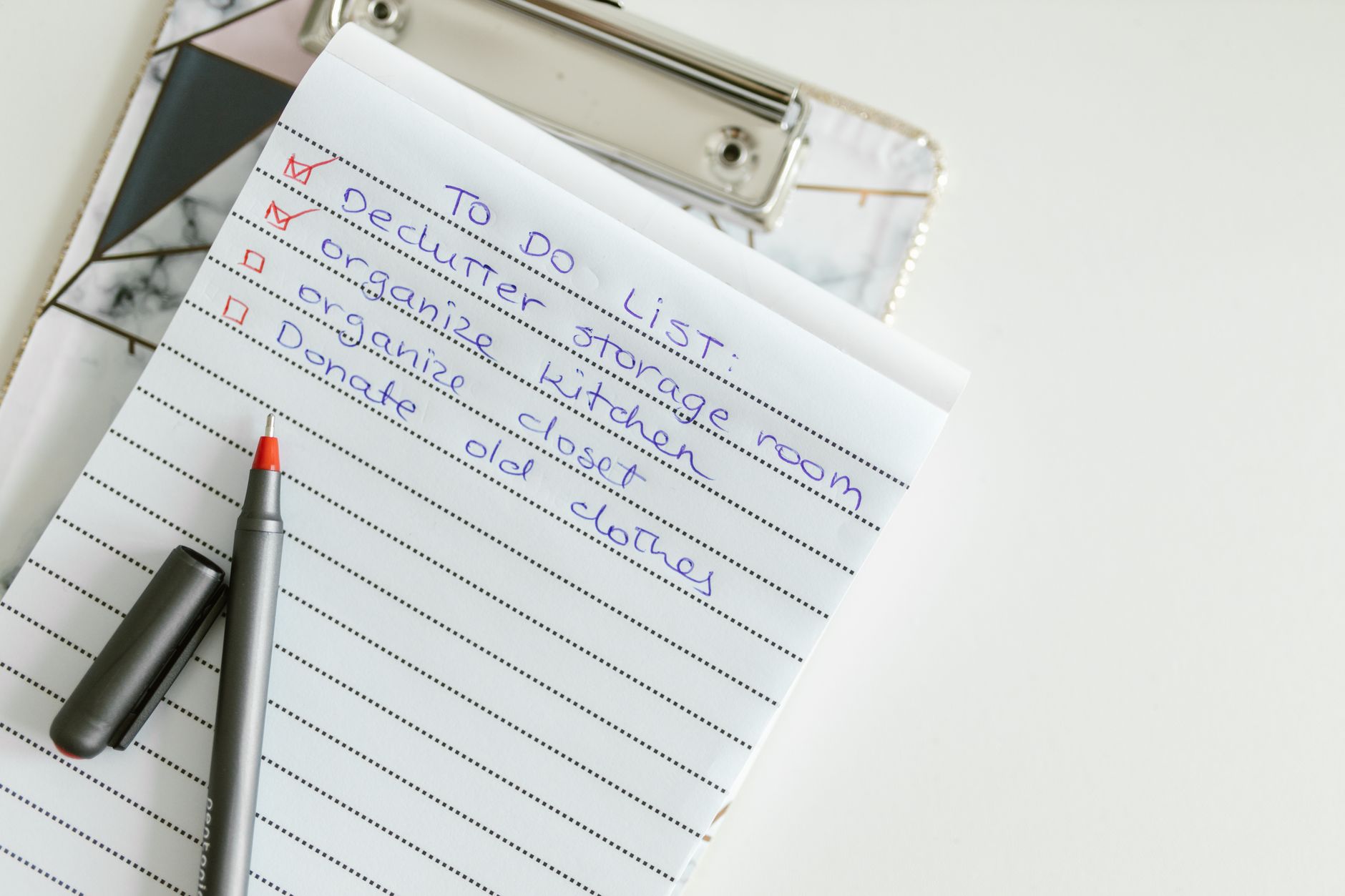
- Start with a designated area: Pick a small area to tackle first, such as a closet or a corner of the garage, ensuring you don't overwhelm yourself.
- Set a timer: In your 20s, a 30-minute timer can help maintain focus. In your 40s, consider setting aside a full morning to accommodate family discussions and decisions.
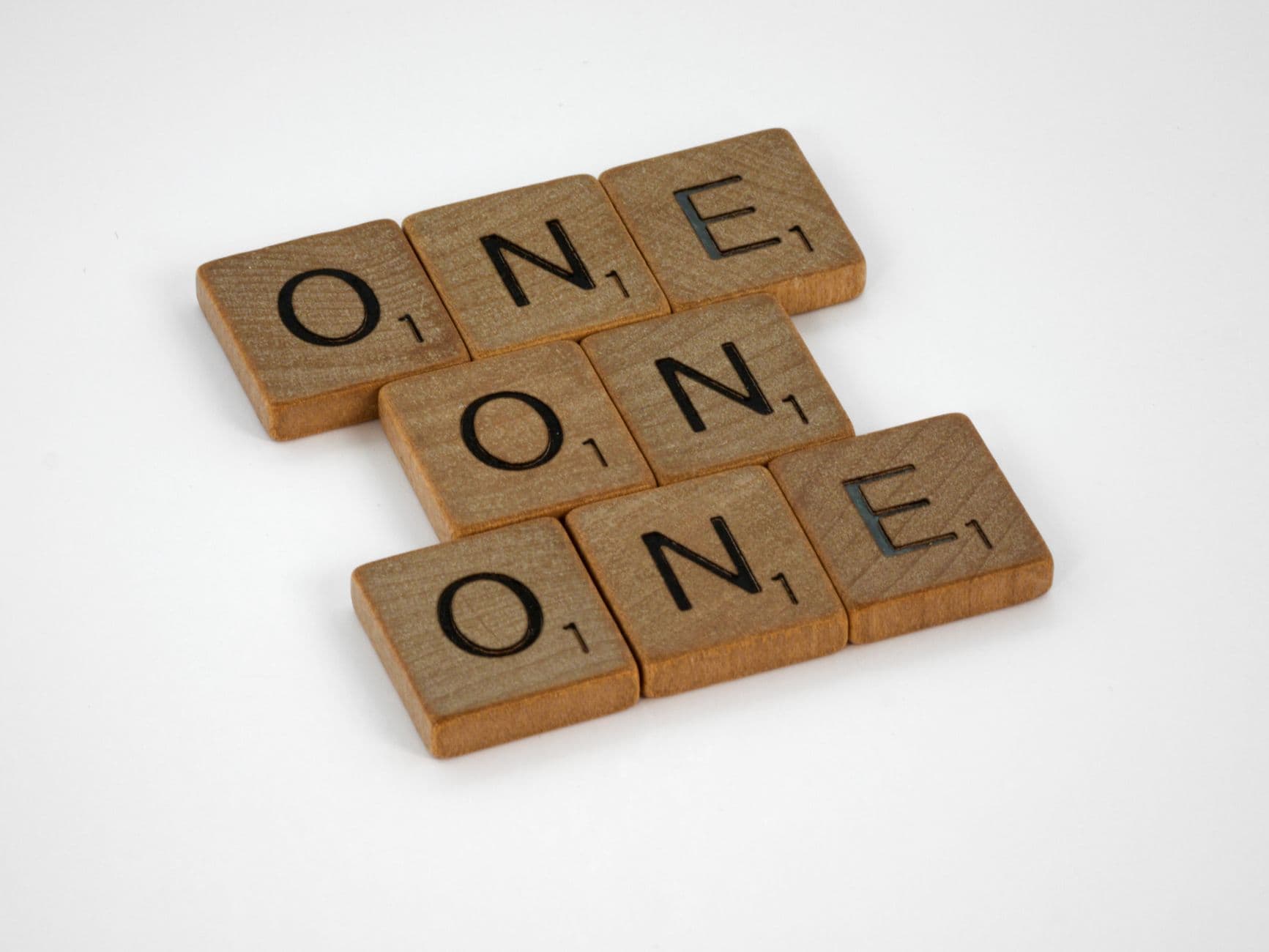
- Use the 'One in, One out' rule: Particularly useful in your 20s to prevent accumulation, but adapt it in your 40s to include family items, teaching everyone about balance in belongings.
- Employ digital tools: Apps for lists and reminders are ageless, helping maintain organization amid busy schedules. This was my go-to for cutting down on paper clutter.
- Involve others: In your 40s, make it a family activity, encouraging everyone to participate and take responsibility. This not only lightens the load but can also turn into a bonding experience.
Decluttering Q&A
Q: How do I get my family on board with decluttering in my 40s?
Involve them in the process from the start. Assign areas or items they are responsible for, allowing them to make decisions about what to keep or discard. Family meetings to discuss progress and set goals can also be effective.
Q: What if I have a hard time letting go of sentimental items?
Consider keeping a 'memory box' with a limited size. This helps you prioritize the most meaningful items and let go of the rest. Taking photos of items before letting them go can help retain the memory without the physical burden.
Q: How often should I declutter in each life stage?
In your 20s, aim for a monthly quick purge to keep things manageable. In your 40s, try to dedicate a couple of weekends per year for more thorough sessions, ideally coinciding with seasonal changes to manage clothing and gear transitions.
Q: Are there any items I should never declutter?
Essential documents like identification and vital records should always be kept safely. Consider digitizing them for easy access and space-saving.
EditorialOur Take
Decluttering is not a one-size-fits-all process, and recognizing this can transform how you approach your living space. In my experience, flexibility in my 20s taught me resilience, while the communal effort in my 40s brought us closer as a family. If you're just starting to declutter, remember: it's a journey that adapts as you do. It's perfect for anyone feeling overwhelmed by their surroundings and looking to reclaim their space with intention. However, if you're not ready to let go of sentimentality, some strategies may take time to resonate. Finding your rhythm takes practice, and it's okay to seek a balance that feels right for you.
Published on .
Share now!

Hannah Foster
Decluttering Writer
Hannah Foster writes Annyblog's decluttering stories. She has moved apartments more times than she'd like to admit, and each move taught her something about letting go of stuff. Hannah favors gentle, guilt-free decluttering over dramatic purges. Hannah uses AI tools to research, draft, and help keep these articles accurate.
More from Hannah →The information on this site is of a general nature only and is not intended to address the specific circumstances of any particular individual or entity. It is not intended or implied to be a substitute for professional advice.
Get our best tips in your inbox
A short, practical email now and then. No spam, and you can unsubscribe anytime.