Published on:
5 min read
By Hannah Foster · Decluttering Writer
Explaining the 'One In, One Out' Rule for Clutter Control
Embracing the 'One In, One Out' rule transformed my home. Understanding how it worked in real-life scenarios kept clutter off my counters and sanity intact.

Understanding the 'One In, One Out' Rule
The moment I understood the potential of the 'One In, One Out' rule, it was like a lightbulb flicking on above my head. I had always struggled to keep my home clutter-free. My bookshelves were overflowing, the kitchen counters seemed to collect gadgets I barely used, and my wardrobe was bursting at the seams. It was overwhelming. That's when I heard about the 'One In, One Out' rule, a simple concept where every new item entering the home requires an old one to leave. It sounded like a manageable way to prevent clutter from ever taking root. In this article, I'll share how this rule became a game-changer in my life and offer insights on how you can use it to reclaim your space.
A Real-Life Scenario: My Wardrobe Transformation
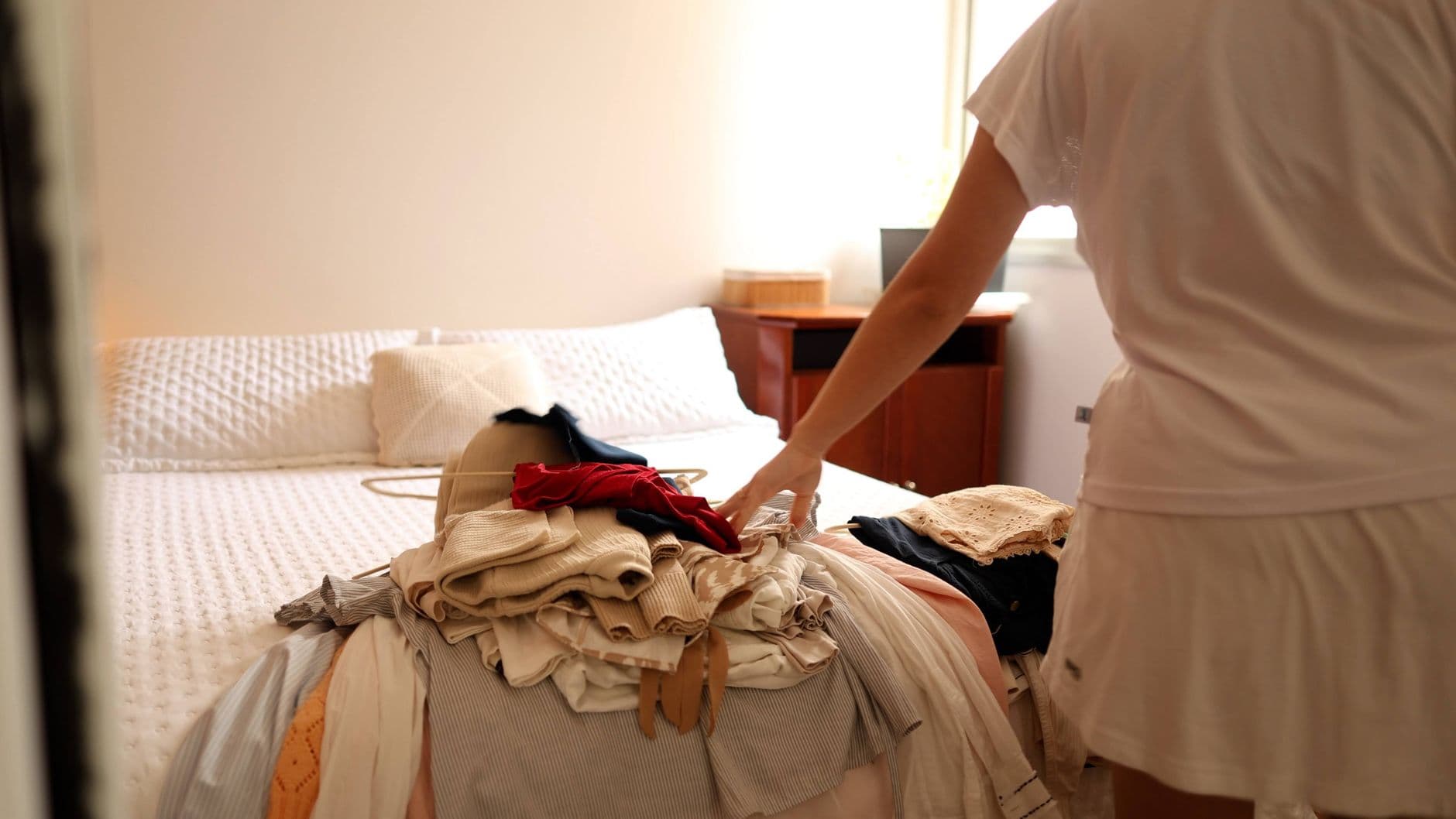
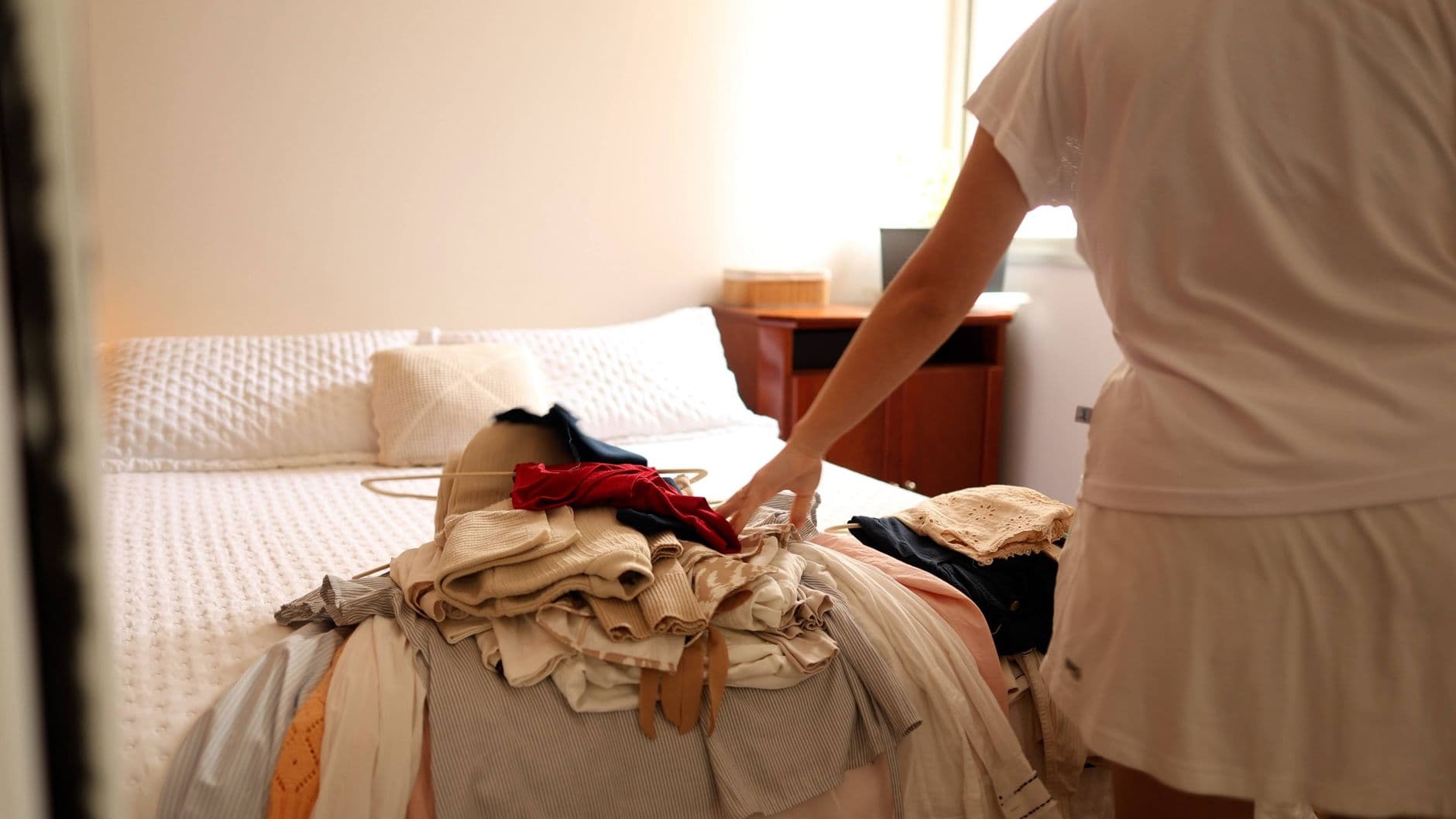
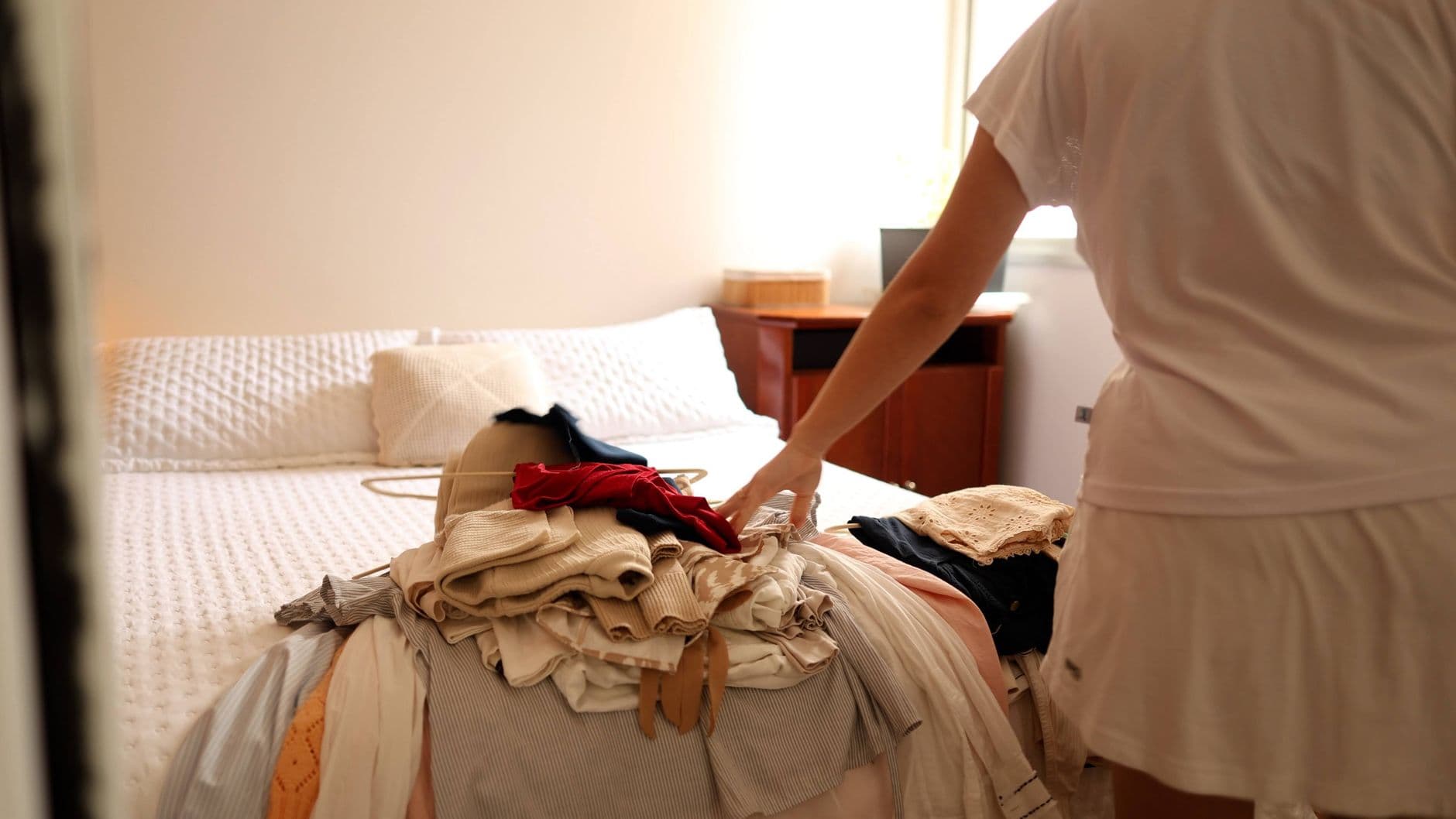
The first place I applied the 'One In, One Out' rule was my wardrobe, notorious for its bulging hangers and forgotten fashion. I started small, with a goal of reducing my clothing by 25%. For every new piece of clothing I was tempted to buy, I committed to removing one item. The first test was when I eyed a new sweater. I took a deep breath and pulled out an old, unworn cardigan that I had kept for years 'just in case.' Over six months, I donated or sold over 30 pieces of clothing. Surprisingly, my outfits became more versatile and my daily outfit choices easier. I spent less time each morning deciding what to wear and even saved money by being more mindful of my purchases. This exercise not only cleared physical space but also mental clutter, as I no longer felt overwhelmed by choices.
The Kitchen Gadget Challenge
Next up was the kitchen. I'm a bit of a cooking enthusiast, which means gadgets—lots of them. Initially, it was tough to part with items that had specific, albeit rarely used, functions. But I set a rule: If I brought in a new tool or gadget, something had to go. In the first month, I replaced three underused appliances with one multipurpose food processor. This change not only freed up counter space but also made cleaning after cooking less cumbersome. Over a year, I removed 12 items, which opened up a surprising amount of space in my small kitchen. Each month, I reassessed what I truly needed, which led me to cook more creatively with fewer tools. The process taught me to be innovative with what I had, finding new uses for old tools, which added a layer of fun to cooking. It became clear that my happiness in the kitchen was not tied to the number of gadgets I owned but rather the experiences I created.
Comparing Efforts: Wardrobe vs. Kitchen
As seen from the table, while I removed more items from my wardrobe, the kitchen required more creativity and discipline. The wardrobe had a moderate implementation ease, as clothing trends and personal taste often dictated what stayed or left. The kitchen, however, was more challenging due to sentimental attachments to certain gadgets. In contrast, decluttering the living room was easier because it mostly involved decorative items and miscellaneous knick-knacks that were simply collecting dust. But both resulted in a more organized home, making the effort well worth it. Each area brought about its own set of lessons, with the common theme being a heightened awareness of my consumption habits and an improved sense of control over my environment.
| Area | Items Removed | Ease of Implementation |
|---|---|---|
| Wardrobe | 30 | Moderate |
| Kitchen | 12 | Challenging |
| Living Room | 15 | Easier |
Practical Steps to Implement the Rule
To adopt the 'One In, One Out' rule effectively, follow these steps:
- Start small: Begin with a single category like clothing or kitchen tools.
- Commit: Ensure that for every new item, you remove one immediately. This keeps the process manageable and prevents backlog.
- Use a checklist: Regularly assess your possessions and make a list of what to donate or sell. This helps in visualizing what can go.
- Schedule regular purges: Set aside a day every quarter to review and declutter. It prevents accumulation and keeps you on track.
- Stay mindful: Before making a purchase, consider if it's truly necessary and what it will replace. This mindfulness extends to gifts; if someone gives you something, think about what you can give up in its place.
- Extend the rule digitally: Apply this rule to digital clutter, such as apps, emails, and files. This approach can prevent feeling overwhelmed by digital noise.
Q&A: Your Questions Answered
Q: What if I bring in a large item, like a piece of furniture?
When bringing in a large item, consider removing an equivalent item in size or volume, or several smaller items. This keeps the space balanced.
Q: How do you handle sentimental items?
Sentimental items can be tricky. I recommend setting a separate limit for these and revisiting them annually. This way, you ensure that these items are truly meaningful.
Q: Does this rule apply to digital clutter too?
Absolutely! For digital files, apply the same rule—delete an old file, app, or document whenever you add a new one. This helps in maintaining a streamlined digital workspace.
Q: Can this rule apply to children’s toys?
Yes, involving kids in the decluttering process can be educational. Explain the rule and make it a game to donate a toy every time a new one is acquired.
EditorialOur Take
The 'One In, One Out' rule genuinely reshaped how I interact with my belongings. It’s not just about removing clutter but cultivating a more intentional lifestyle. This rule is ideal for anyone struggling with overcrowded spaces and seeking simplicity. However, it may require some initial discomfort in letting go of items, especially those with sentimental value. But for those ready to embrace it, the reward is a home that feels more spacious and manageable. You'll likely find that your spending habits improve, and you become more conscientious about what you allow into your life. It's a straightforward tactic that, while simple, requires commitment and consistency to fully reap its benefits.
Published on .
Share now!

Hannah Foster
Decluttering Writer
Hannah Foster writes Annyblog's decluttering stories. She has moved apartments more times than she'd like to admit, and each move taught her something about letting go of stuff. Hannah favors gentle, guilt-free decluttering over dramatic purges. Hannah uses AI tools to research, draft, and help keep these articles accurate.
More from Hannah →The information on this site is of a general nature only and is not intended to address the specific circumstances of any particular individual or entity. It is not intended or implied to be a substitute for professional advice.
Get our best tips in your inbox
A short, practical email now and then. No spam, and you can unsubscribe anytime.