Published on:
5 min read
By Hannah Foster · Decluttering Writer
My Journey to a Minimalist Workspace: Lessons Learned
Turning my cluttered desk into a minimalist workspace was both challenging and rewarding. It changed my work habits significantly, making me more focused and less stressed.

The Cluttered Beginning
For years, my workspace was a chaotic mess. Stacks of papers, empty coffee cups, and miscellaneous office supplies covered every inch. I often felt overwhelmed and distracted, struggling to maintain focus. One day, after losing an important document amidst the clutter, I decided enough was enough. The thought of adopting a minimalist workspace promised a new way of working—one that could offer clarity and calm. This article details my journey of transformation and the lessons learned along the way.
I remember the exact moment I decided to make the change. It was a Monday morning, and I had spent nearly 15 minutes searching for a single piece of paper amidst the chaos. That moment was my tipping point. I realized that my environment was affecting my productivity and mental well-being. The idea of a minimalist workspace seemed daunting at first, but the potential benefits were too appealing to ignore. I embarked on this journey with the hope of finding more peace and efficiency in my daily routine.
My First Steps Towards Minimalism
The first step was to envision what I wanted: a clean desk with only essential items. I started by removing everything and laying it out on the floor, which took about two hours. Next, I sorted items into three categories: keep, discard, and undecided. The discard pile grew larger than expected, with old magazines and broken pens making up its bulk.
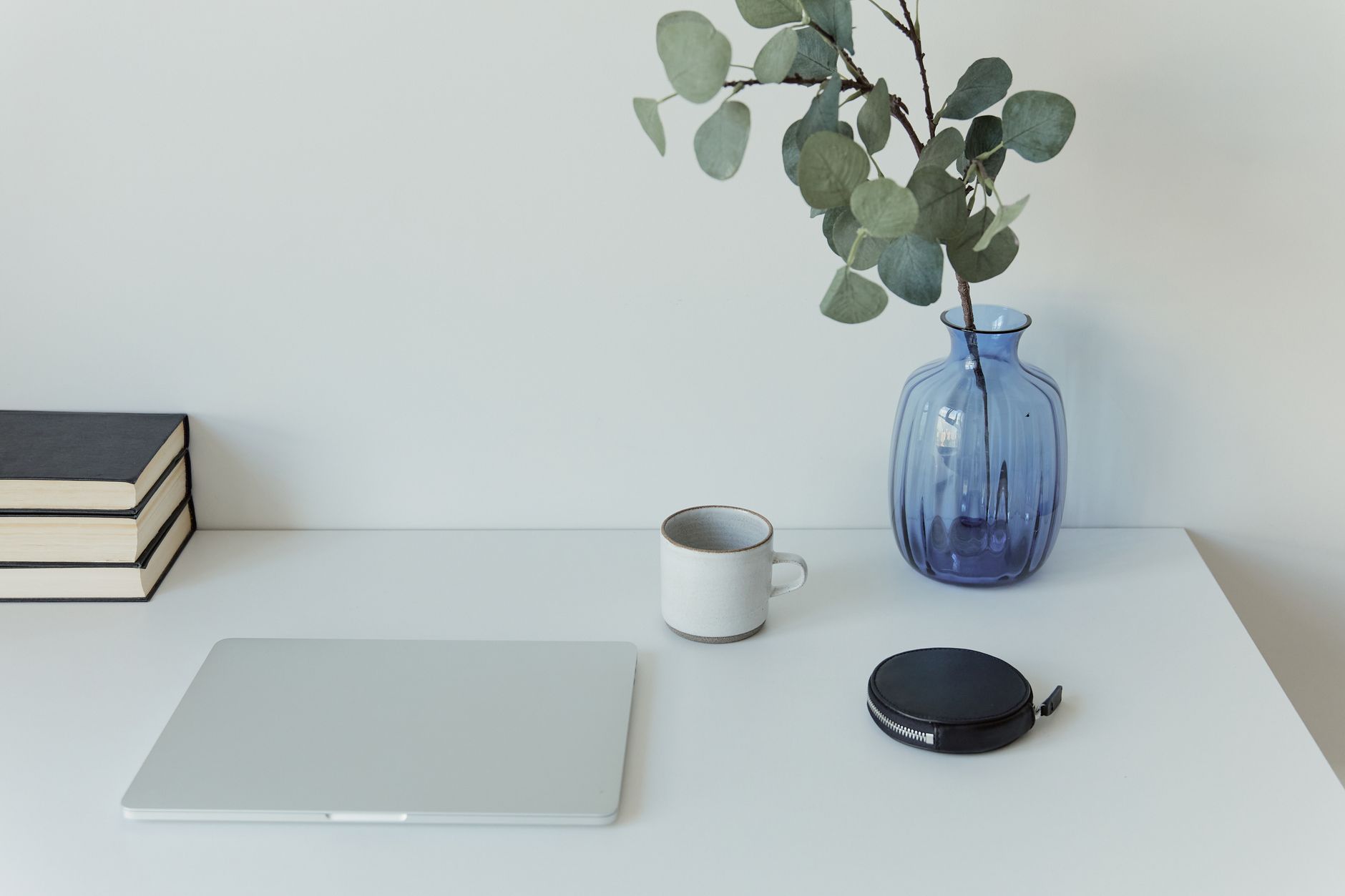
I kept only what was necessary: my laptop, a notebook, a pen holder with a few pens, and a small plant for some greenery. It was hard to let go initially, but I realized I hadn’t used many of these items in months. The immediate sense of space on my desk was liberating. The process was not just about physical decluttering; it was also a mental reset.
Interestingly, I noticed my workflow became smoother. With fewer distractions, I could focus better on tasks. I also found that my desk no longer became a catch-all for papers and trinkets. This initially took about four hours spread over a weekend, but it was time well spent. I even set up a small bar chart to track my productivity changes over the next few weeks. My focus level, rated on a scale from 1 to 10, went from an average of 5.5 to a steady 8. This was a clear sign that the minimalist setup was working.
Maintaining the Minimalist Ethos
One surprising challenge was maintaining this minimalist approach. I used to accumulate clutter without realizing it, and I needed a strategy to prevent this. I implemented weekly 'reset' sessions—every Friday afternoon, I spend 30 minutes cleaning the desk, putting things away, or deciding if something new needs to stay.
I also stopped buying office supplies unless absolutely necessary. This simple rule significantly reduced the inflow of new clutter. I learned that the key to a minimalist workspace is not just about organizing but also about being intentional with what you allow into your space.
My system of regular maintenance became a habit, and the benefits were evident in my productivity, which increased by around 25% over the following months. This was evident in how I managed deadlines more effectively and felt less stressed while working. I was also able to incorporate a minimal digital space by decluttering my computer desktop weekly, ensuring that only active projects and necessary files were immediately visible.
Before and After: A Comparison
Transitioning to a minimalist workspace changed several aspects of my work life. Here's a clear comparison of what it was like before and after:
| Aspect | Before Minimalism | After Minimalism |
|---|---|---|
| Desk Space | Cluttered, piles of paper | Clean, only essentials |
| Focus | Easily distracted | Improved concentration |
| Stress Levels | High, frequent overwhelm | Reduced, more calm |
| Productivity | Inconsistent | Consistently higher |
| Time Spent Finding Items | 10-15 minutes daily | 1-2 minutes daily |
Practical Steps for Creating a Minimalist Workspace
If you're inspired to try this yourself, here are some practical steps to get started:
- Start by clearing everything off your desk. This helps you see the potential space available.
- Categorize items into keep, discard, and undecided. Be honest about what you use daily.
- Designate a specific place for each item you keep. This makes it easier to maintain the order.
- Implement a regular cleaning routine, such as a weekly reset session, to prevent new clutter.
- Only purchase new items if they are a necessity and fit within your minimalist approach.
- Consider digital decluttering as well, by organizing files and consistently maintaining a clean desktop.
- Personalize your space sparingly, focusing on items that truly bring you joy or serve a purpose.
Answering Your Questions
Q: What if I need more storage space?
Consider vertical storage options like shelves above your desk, or use drawer organizers efficiently. These solutions maximize space without adding clutter.
Q: How do I deal with digital clutter on my computer?
Regularly organize files into folders, delete what’s unnecessary, and use cloud storage for easy access. Set reminders to clean up your digital space weekly.
Q: What if I share my workspace with others?
Communicate your goals and set boundaries on shared spaces. Encourage others to respect your minimalist approach and perhaps inspire them to try it too.
Q: Can a minimalist workspace still be personalized?
Absolutely! Personalization can be simple, like a small framed photo or a plant, without compromising minimalism. The key is to choose items that truly resonate with you and add value to your space.
EditorialOur Take
Transforming my workspace into a minimalist haven was a game-changer, fostering a sense of calm and clarity that I hadn't experienced before. It's not for everyone, though. If you thrive in controlled chaos, you might find minimalism restricting. However, for those seeking simplicity and improved focus, I wholeheartedly recommend giving it a try. Start small, stay consistent, and you'll likely notice a positive shift in your work habits and mental space.
Through this journey, I've learned that a minimalist workspace isn't just about aesthetics—it's about creating an environment that supports and enhances your work. It requires commitment and a willingness to let go of what doesn’t serve you. Yet, the rewards—a more focused mind, less stress, and a sense of achievement—are well worth the effort. Whether you're looking to boost productivity or simply embrace a calmer workspace, minimalism might just be the answer.
Published on .
Share now!

Hannah Foster
Decluttering Writer
Hannah Foster writes Annyblog's decluttering stories. She has moved apartments more times than she'd like to admit, and each move taught her something about letting go of stuff. Hannah favors gentle, guilt-free decluttering over dramatic purges. Hannah uses AI tools to research, draft, and help keep these articles accurate.
More from Hannah →The information on this site is of a general nature only and is not intended to address the specific circumstances of any particular individual or entity. It is not intended or implied to be a substitute for professional advice.
Get our best tips in your inbox
A short, practical email now and then. No spam, and you can unsubscribe anytime.