Published on:
5 min read
By Hannah Foster · Decluttering Writer
My Experience with the 30-Day Minimalism Game
Playing the 30-Day Minimalism Game was both a challenge and a revelation. I discovered what I truly need and how much I can let go of.
Why I Decided to Play the Minimalism Game
I've always been fascinated by the idea of minimalism but never quite committed to it. My living space had slowly become a collection of items that I thought defined me, yet they also overwhelmed me. It was time for a change, and that's when I stumbled upon the 30-Day Minimalism Game. The idea was simple: on day one, you get rid of one item, two on the second day, and so on. By the end of the month, you'd have discarded 465 items. It sounded both liberating and terrifying. I decided to give it a try and document what I'd learn about myself along the way.
I hoped to achieve more than just a cleaner home; I wanted to redefine my relationship with my possessions. I craved a sense of clarity and calm that I imagined minimalism could offer. This challenge seemed like the perfect starting point. I began with a mixture of excitement and apprehension, uncertain about how this journey would alter my view of what I truly needed.
Facing the Challenge: The First Week
The first week was deceivingly easy. On day one, I tossed an old magazine. Day two, a chipped coffee mug found its way to the recycling bin. The process was straightforward, and I felt a slight thrill knowing I was tidying up my space. By day four, however, the game began to demand more thought. I found myself hesitating in front of my bookshelf, reluctant to part with novels I'd never read or ones I bought simply because they looked good on Instagram. I realized my attachment wasn't to the items themselves but to the idea of them. I managed to part with 10 items that week, which felt like a small victory.
The challenge was not just physical but emotional. I started to notice patterns in my purchases—why I bought certain things and what I hoped they'd bring into my life. As I peeled back these layers, it became clear that I often sought comfort in acquiring new things. This realization was a powerful motivator to continue. I was eager to see what other insights the following weeks would bring.
The Midpoint: Doubts and Discoveries
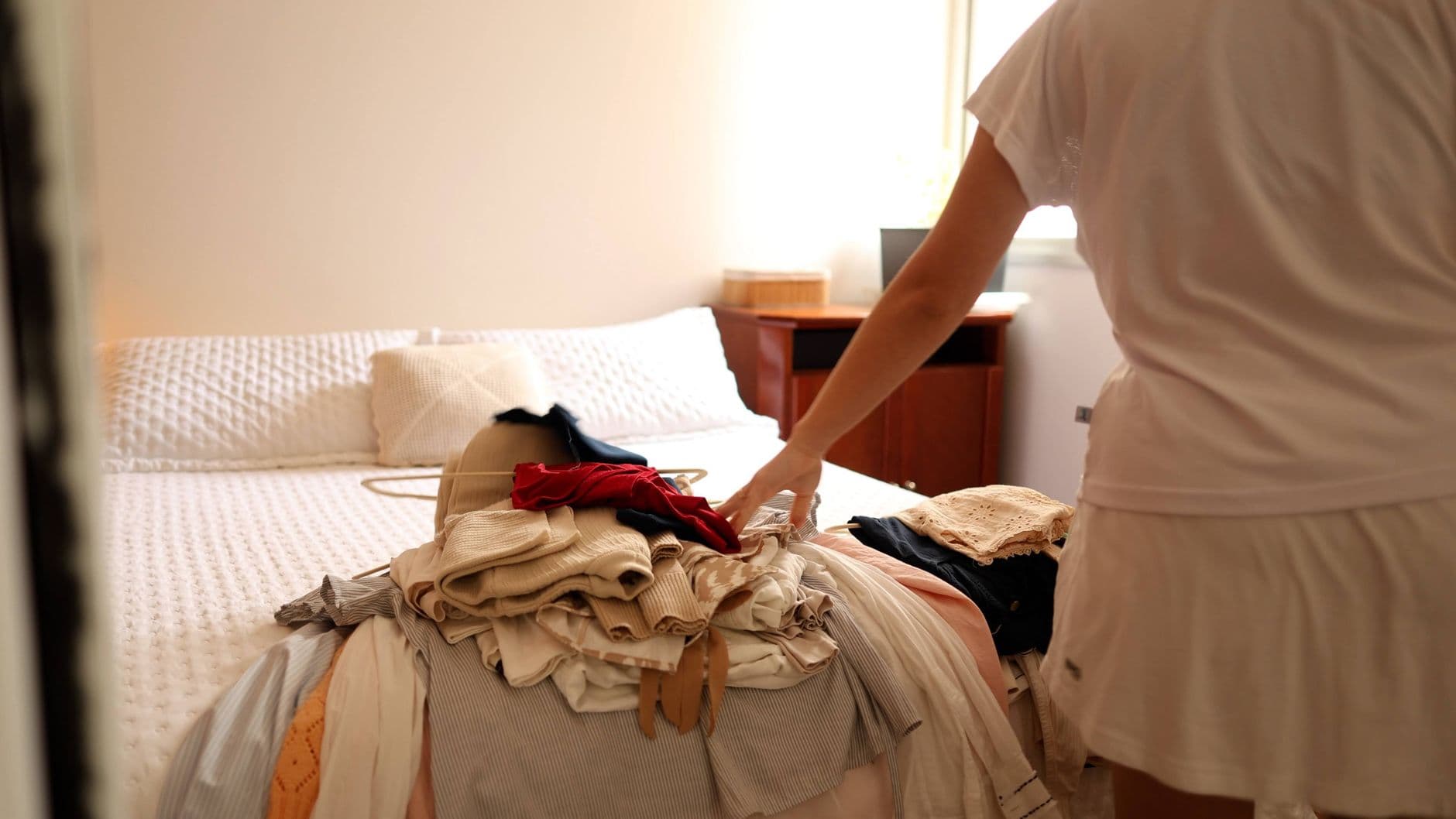
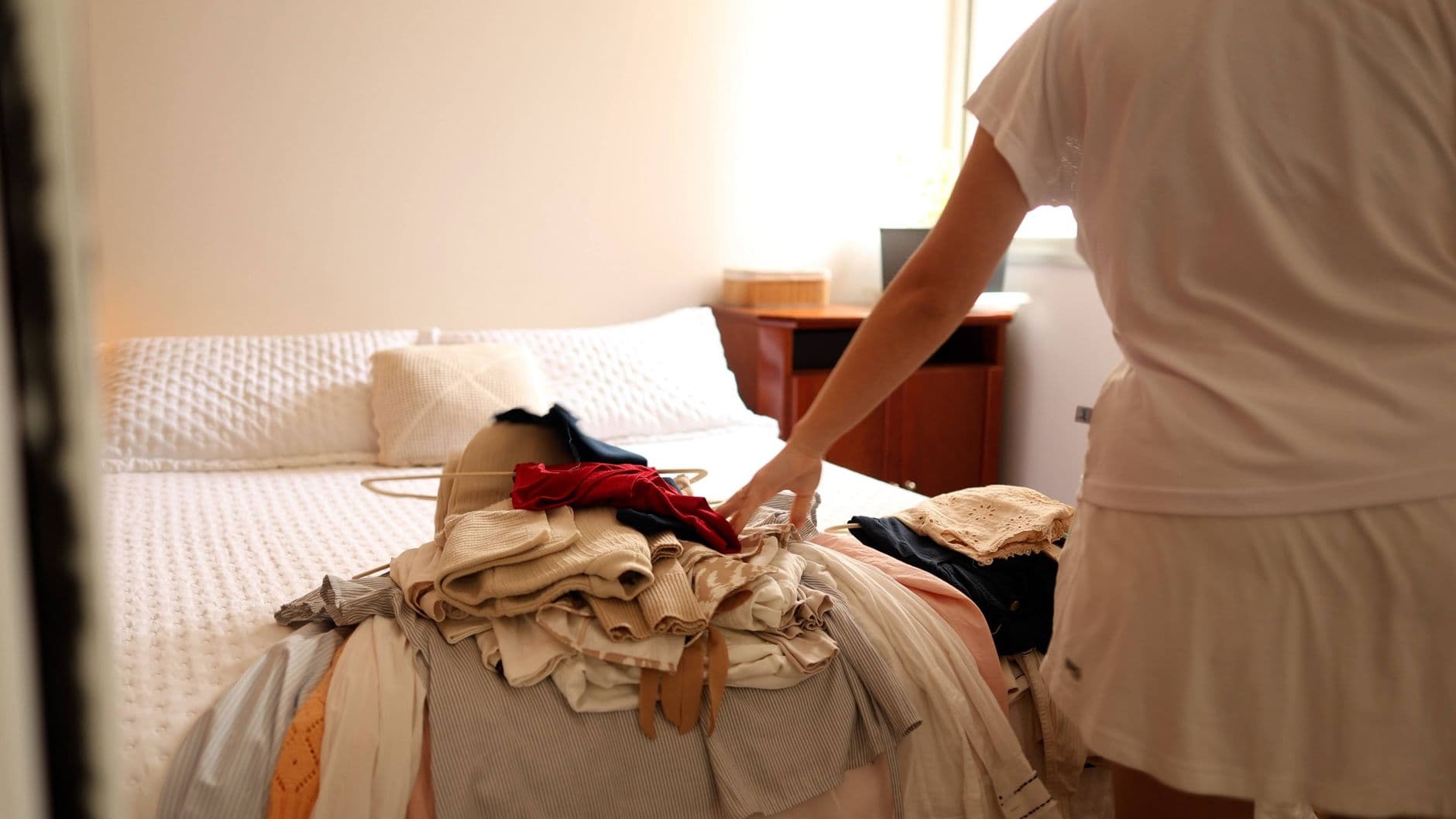
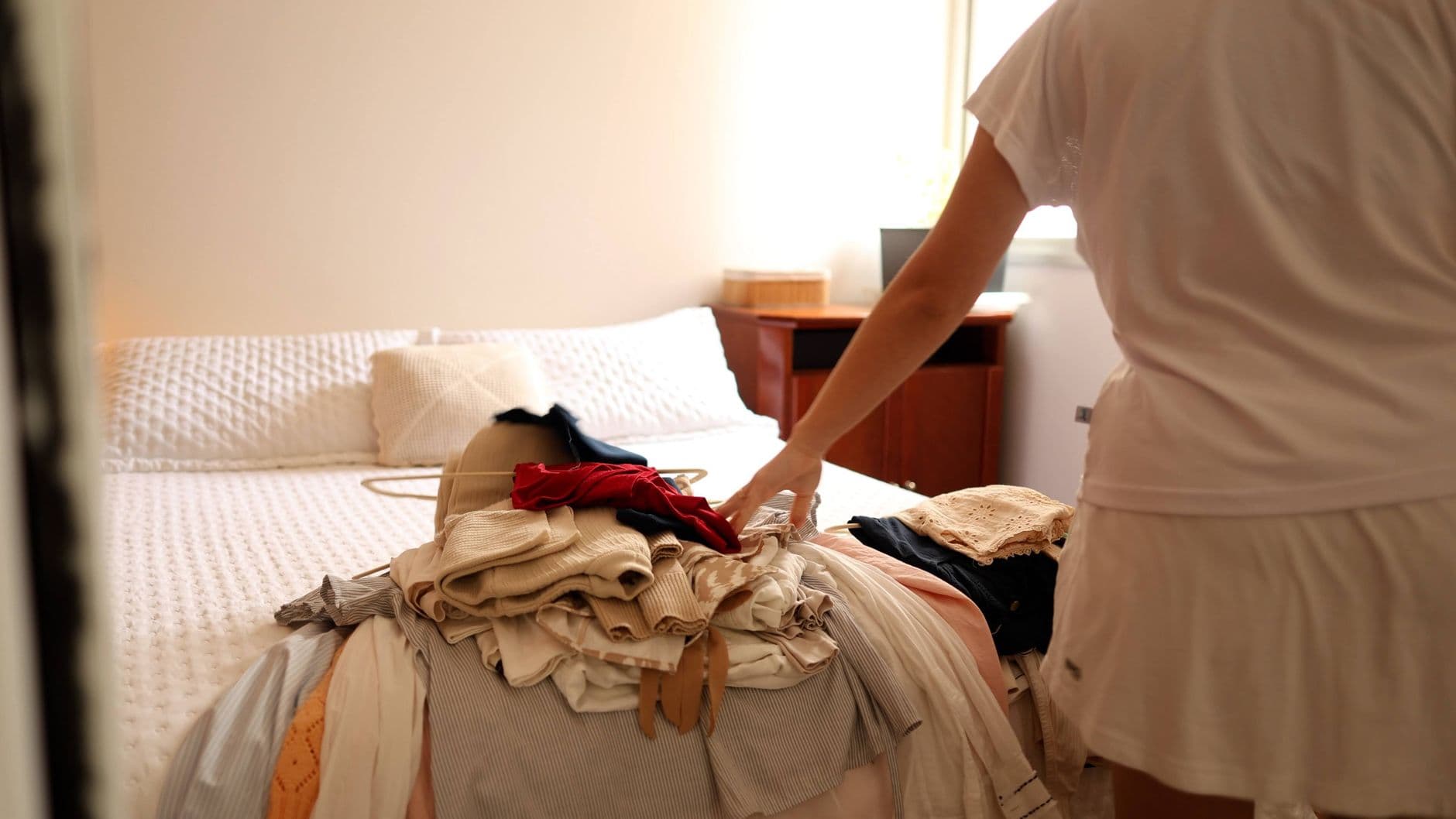
By the time I hit day 15, I was supposed to have let go of 120 items. I distinctly remember day 11 as a turning point when I decided to tackle my wardrobe. I unearthed clothes that still had tags on them and others that I hadn't worn in years. It was a humbling realization of how much money I'd wasted on 'what if' purchases. While I managed to clear out over 30 items of clothing, I encountered a roadblock with sentimental items. I couldn't bring myself to part with concert tickets from a decade ago or the sweater my grandmother knitted me. This game was proving to be a deeper emotional exercise than I'd anticipated.
Despite these challenges, each item I removed felt like a small weight lifted. I began to appreciate the freedom that came with less. Each day, my space felt a bit more breathable, and my mind a little clearer. The exercise was as much about self-awareness as it was about decluttering. I learned that minimalism isn't about having the least, but rather having exactly what you need.
Comparing Decluttering Strategies
The Minimalism Game was manageable on a daily basis, but it required consistent commitment. Meanwhile, the KonMari Method, though intensive, provides a more holistic purge at once but can be daunting. The Four-Box Technique offers a middle ground, ideal for weekend declutters.
I found that combining elements from each method worked well. For instance, I used the Four-Box Technique to categorize items quickly, then applied the Minimalism Game rules to steadily reduce the clutter. The variety kept me engaged and allowed for flexibility depending on how much time or energy I had on a given day.
| Method | Ease of Use | Time Commitment |
|---|---|---|
| 30-Day Minimalism Game | Moderate | 15-30 min/day |
| KonMari Method | Difficult | Varies - often full days |
| Four-Box Technique | Easy | 1-2 hours per session |
Practical Tips for Success
Here are some tips that kept me going through the 30 days:
- Start with less sentimental areas like the kitchen or bathroom.
- Set a timer each day to limit your decluttering session, avoiding burnout.
- Keep a 'maybe' box for items you're unsure about, then revisit it at the end of the month.
- Document your progress through photos or a journal to stay motivated.
- Involve family or roommates to share the experience and gain support.
Questions You Might Have
Q: What if I can't find enough items to discard on one day?
That's okay. Focus on quality over quantity. It's more important to remove items that truly don't serve you.
Q: How do I handle sentimental items?
Give yourself grace. If you're not ready to let go, set them aside and revisit later.
Q: What should I do with the items I remove?
Consider recycling, donating, or selling them. Think about sustainability and giving items a second chance.
Q: Can I play the game with others?
Absolutely! Doing this with a friend or family can make it more fun and hold you accountable.
Q: How do I stay motivated throughout the month?
Reflect on your goals regularly and remind yourself of the benefits of a decluttered space. Engaging with online minimalism communities can also provide support and inspiration.
EditorialOur Take
The 30-Day Minimalism Game wasn't just a test of willpower; it was an enlightening journey into understanding my relationship with 'stuff.' It isn't for everyone—especially if you're not ready to confront the emotional ties associated with your possessions. However, for those looking to dip their toes into minimalism without a drastic lifestyle shift, it's an approachable and rewarding challenge. Just be prepared for a bit of soul-searching along the way.
By the end, I was more in tune with my needs. I didn't become a full-fledged minimalist, but I did gain valuable insights into living more intentionally. If you're feeling overwhelmed by your belongings, this game might be the nudge you need to gain clarity and create a more peaceful home environment.
Published on .
Share now!

Hannah Foster
Decluttering Writer
Hannah Foster writes Annyblog's decluttering stories. She has moved apartments more times than she'd like to admit, and each move taught her something about letting go of stuff. Hannah favors gentle, guilt-free decluttering over dramatic purges. Hannah uses AI tools to research, draft, and help keep these articles accurate.
More from Hannah →The information on this site is of a general nature only and is not intended to address the specific circumstances of any particular individual or entity. It is not intended or implied to be a substitute for professional advice.
Get our best tips in your inbox
A short, practical email now and then. No spam, and you can unsubscribe anytime.