Published on:
10 min read
Hair Loss Solutions: 7 Proven Ways to Regrow Hair Fast
Hair loss is frustrating because it rarely has a single cause. Genetics, stress, hormones, nutrition, scalp inflammation, styling habits, and age can all contribute, which is why quick-fix advice usually disappoints. This guide breaks down seven evidence-based ways to support faster regrowth, including FDA-approved medications, scalp-focused strategies, nutrition corrections, low-level laser therapy, and medical procedures that may help when home care is not enough. You will also learn how to identify the likely reason your hair is shedding, what results are realistic in 3 to 6 months, and where popular remedies such as biotin, oils, and collagen actually fit in. If you want practical next steps instead of hype, this article gives you a clear, balanced roadmap you can use now or discuss with a dermatologist.

- •Why Hair Loss Happens and Why the Cause Matters More Than the Cure
- •Solution 1 and 2: Use Clinically Proven Treatments Before Chasing Viral Hacks
- •Solution 3 and 4: Fix Nutrient Gaps and Scalp Inflammation That Block Regrowth
- •Solution 5: Try Low-Level Laser Therapy and Microneedling for a Measurable Boost
- •Solution 6 and 7: PRP, Hair Transplants, and When Professional Treatment Makes Sense
- •Key Takeaways: What to Do in the Next 90 Days for Faster, Smarter Regrowth
- •Conclusion
Why Hair Loss Happens and Why the Cause Matters More Than the Cure
If you want hair to regrow faster, start by identifying what is actually causing the loss. Hair shedding is not one condition. Androgenetic alopecia, commonly called male or female pattern hair loss, is driven largely by genetics and sensitivity to DHT. Telogen effluvium is different: it often shows up two to three months after stress, illness, surgery, rapid weight loss, or childbirth. Alopecia areata is autoimmune. Tight hairstyles, bleach damage, and inflammatory scalp conditions can also reduce density.
That distinction matters because the right solution for one type may do almost nothing for another. For example, minoxidil can help pattern hair loss and some chronic shedding, but it will not fix a ferritin deficiency or a severely inflamed scalp. Likewise, taking biotin when you are not deficient is unlikely to create dramatic regrowth.
A practical first step is to look at the pattern. A widening part, thinning crown, and gradual miniaturization usually point to pattern loss. Sudden handfuls in the shower after a stressful period often suggest telogen effluvium. Patchy bald spots require medical evaluation sooner rather than later.
Red flags worth discussing with a clinician include:
- rapid shedding lasting longer than 8 to 12 weeks
- scalp itching, burning, scaling, or pain
- irregular periods, acne, or facial hair growth in women
- fatigue, heavy periods, or signs of low iron
Solution 1 and 2: Use Clinically Proven Treatments Before Chasing Viral Hacks
The two most proven starting points for pattern hair loss are topical or oral minoxidil and, for many men, finasteride under medical guidance. Minoxidil helps prolong the growth phase of hair and can improve density over time. The 5% strength is commonly used, and many people begin noticing reduced shedding by month two or three, with more visible thickening around month four to six. Finasteride works differently by lowering DHT, the hormone linked to follicle miniaturization in genetically susceptible scalps.
These options are not glamorous, but the evidence is much stronger than what you see on social media. In real practice, consistency beats novelty. A person who applies minoxidil once or twice daily for six months usually has a better shot at improvement than someone who rotates through rosemary oil, rice water, scalp ice rollers, and random supplements every two weeks.
Pros of minoxidil:
- available without a prescription in many markets
- useful for both men and women
- can support regrowth and slow ongoing loss
- requires consistent long-term use
- may cause temporary shedding at the start
- can irritate sensitive scalps
- one of the best-studied treatments for male pattern loss
- addresses a key hormonal driver, not just symptoms
- prescription-only in many places
- not appropriate for everyone, especially during pregnancy risk
- potential side effects require an informed discussion
Solution 3 and 4: Fix Nutrient Gaps and Scalp Inflammation That Block Regrowth
Healthy hair growth is metabolically expensive. If your body is low in iron, vitamin D, zinc, protein, or B12, it may prioritize more urgent functions over building thick hair fibers. This is why some people spend hundreds on serums while overlooking a basic issue such as low ferritin after heavy menstrual periods or a restrictive diet. In one common real-world scenario, a woman notices major shedding three months after losing 25 pounds quickly and cutting protein intake in half. The trigger is not mysterious; the body simply does not have enough building material.
Protein matters more than most beauty marketing suggests. Hair is made primarily of keratin, so consistently under-eating protein can worsen shedding. Aim for balanced meals with eggs, Greek yogurt, fish, legumes, tofu, poultry, or lean meat, depending on your diet. If you suspect a deficiency, lab testing is far more useful than guessing with supplements.
Scalp health is the second half of the equation. Seborrheic dermatitis, psoriasis, folliculitis, and chronic irritation can create an environment where growth struggles. A scalp that feels inflamed, flaky, or painful is not a good foundation for regrowth.
Practical steps that often help:
- use a medicated dandruff shampoo with ketoconazole or zinc pyrithione if appropriate
- avoid scratching, heavy buildup, and harsh bleaching during active shedding
- wash often enough to control oil and inflammation rather than fearing shampoo
Solution 5: Try Low-Level Laser Therapy and Microneedling for a Measurable Boost
If you want a non-drug way to support regrowth, low-level laser therapy and microneedling are the two adjuncts worth taking seriously. Low-level laser devices, such as caps or combs cleared for home use, are designed to stimulate follicles with specific wavelengths of light. They are not magic, but several studies suggest they can improve hair density in pattern hair loss when used consistently for a few sessions per week over several months.
Microneedling is more technique-sensitive but can be powerful when paired with a broader plan. By creating controlled micro-injury, it may stimulate growth factors and improve the penetration of topical treatments. In clinics, dermatologists often combine microneedling with minoxidil or other interventions, especially for early thinning. Home devices exist, but depth, hygiene, and frequency matter. Overdoing it can irritate the scalp and backfire.
Pros of low-level laser therapy:
- noninvasive and generally well tolerated
- useful for people who want a medication-light approach
- easy to combine with other treatments
- devices can be expensive
- results are gradual, not immediate
- lower-quality devices may disappoint
- may enhance results from topical treatments
- relatively affordable compared with procedures
- improper use can trigger irritation or infection
- not ideal for inflamed or infected scalps
Solution 6 and 7: PRP, Hair Transplants, and When Professional Treatment Makes Sense
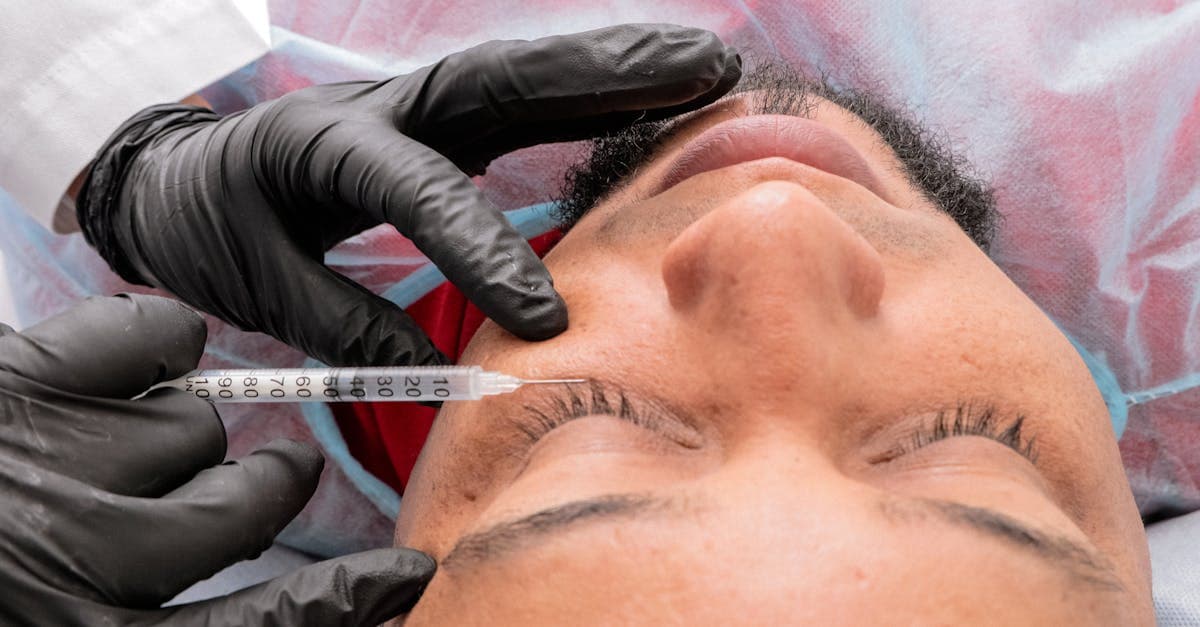
Sometimes the fastest route to better hair is not another home remedy but a specialist visit. Platelet-rich plasma, or PRP, involves drawing a small amount of blood, concentrating the platelets, and injecting that plasma into the scalp. The theory is that growth factors may support follicles and improve thickness. Results vary, but many clinics recommend an initial series of three to four sessions spaced about a month apart, followed by maintenance. It tends to work best for early to moderate thinning rather than long-bare areas.
Hair transplantation is the strongest option when follicles are gone rather than merely weakened. Modern FUE techniques can look natural when performed by an experienced surgeon who respects hairline design and donor management. This is especially relevant for men with stable pattern loss and women with carefully selected cases. The downside is cost, recovery, and the fact that surgery does not stop future native hair loss, so many patients still need medication afterward.
Pros of PRP:
- minimally invasive with little downtime
- may improve thickness in the right candidate
- costly over time
- evidence is promising but not equally strong across all protocols
- best option for restoring areas with significant permanent loss
- can deliver dramatic cosmetic change
- expensive and highly operator-dependent
- requires planning for long-term maintenance
Key Takeaways: What to Do in the Next 90 Days for Faster, Smarter Regrowth
If you feel overwhelmed, simplify your next steps. Most successful hair regrowth plans are boring in the best way: diagnose accurately, treat consistently, track progress, and give the follicles enough time to respond. The people who see results are usually not the ones trying ten products at once. They are the ones who follow a clear plan for at least three to six months and adjust based on evidence, not panic.
Here is a practical 90-day plan:
- take baseline photos in bright light from the front, top, temples, and part line
- identify likely triggers from the last three months, including illness, stress, crash dieting, postpartum changes, or new medications
- start an evidence-based core treatment such as minoxidil if appropriate
- improve protein intake and ask a clinician whether ferritin, vitamin D, B12, zinc, or thyroid labs make sense
- treat dandruff, itch, or scalp inflammation instead of ignoring it
- avoid tight styles, aggressive heat, and chemical processing during active shedding
- consider adjuncts such as laser therapy or supervised microneedling if your budget allows
Conclusion
The fastest way to regrow hair is rarely a single miracle product. It is a disciplined combination of the right diagnosis, proven treatment, better scalp care, and enough patience to let the hair cycle catch up. Start by figuring out whether you are dealing with pattern loss, stress-related shedding, nutritional issues, or scalp inflammation. Then build from the interventions with the strongest evidence: minoxidil, medical guidance on hormone-related treatments, correction of nutrient gaps, and scalp-focused care. If progress stalls, add laser therapy, microneedling, PRP, or a specialist consultation. Take photos today, commit to one clear 90-day plan, and reassess with data instead of emotion. That single step will put you ahead of most people chasing hair growth shortcuts.
Published on .
Share now!
SB
Samuel Blake
Author
The information on this site is of a general nature only and is not intended to address the specific circumstances of any particular individual or entity. It is not intended or implied to be a substitute for professional advice.