Published on:
10 min read
Double Chin Treatment Guide: Best Options Compared
A double chin can come from weight gain, genetics, anatomy, posture, or simple aging, which is why the best treatment is rarely the same for everyone. This guide compares the most effective options available today, from lifestyle changes and posture work to in-office treatments like deoxycholic acid injections, cryolipolysis, radiofrequency tightening, ultrasound-based procedures, and liposuction. You will learn what each approach actually does, who tends to benefit most, what realistic results look like, how much downtime to expect, and where the trade-offs are. The article also covers the often-missed reason some treatments disappoint: loose skin, a small jaw, or poor neck support can mimic or worsen fullness under the chin. If you want a practical, balanced roadmap before booking a consultation, this guide will help you narrow your choices and avoid common mistakes.

- •Why a Double Chin Happens and Why That Changes the Best Treatment
- •At-Home Strategies: Weight Loss, Posture, and What They Can Realistically Improve
- •Non-Surgical Treatments Compared: Injections, Freezing, and Skin Tightening
- •When Surgery Makes More Sense: Liposuction, Neck Lift, and Chin Augmentation
- •Cost, Risks, and How to Choose the Right Provider
- •Key Takeaways and Practical Tips Before You Book Anything
Why a Double Chin Happens and Why That Changes the Best Treatment
People often assume a double chin is simply extra fat, but in practice the cause is usually mixed. Submental fullness, the clinical term for fullness under the chin, can come from localized fat, loose skin, inherited facial structure, weight changes, and age-related tissue descent. A 2014 survey sponsored by the American Society for Dermatologic Surgery found that roughly 68 percent of respondents were bothered by excess fat under the chin or neck, which helps explain why this area is such a common treatment request. What matters more than the number is the takeaway: concern is widespread, but the anatomy behind it differs dramatically from person to person.
That difference is why one patient sees great results with injections while another needs skin tightening or surgery. Someone in their early 30s with good skin elasticity and a small pocket of fat may do very well with a non-surgical option. Someone in their late 50s with neck banding and lax skin may be disappointed if they choose fat reduction alone. If the skin does not contract well, removing volume can actually make looseness more obvious.
A useful way to think about the problem is to separate it into three buckets:
- Fat: a soft, pinchable fullness that may respond to weight loss or targeted procedures
- Skin laxity: crepey or sagging skin that needs tightening rather than just volume reduction
- Structure: a recessed chin, weak jawline, or posture pattern that makes the area look heavier
At-Home Strategies: Weight Loss, Posture, and What They Can Realistically Improve
If your double chin became more visible after overall weight gain, lifestyle changes can absolutely help, but they are not magic spot-reduction tools. Research consistently shows you cannot selectively burn fat from one body area through exercise alone. In other words, chin exercises may strengthen nearby muscles or improve awareness, but they do not specifically melt submental fat. What does help is reducing total body fat through sustainable calorie control, resistance training, walking, and adequate protein intake. For many people, even a 5 to 10 percent weight reduction can noticeably change the lower face and neck.
Posture deserves more attention than it gets. Forward-head posture can blur the jawline and create a compressed, folded look under the chin, especially during phone use or laptop work. Better cervical alignment will not remove fat, but it can improve your resting profile and make other treatments look better. A practical example is someone who sits at a laptop eight hours a day, mouth slightly open, shoulders rounded, and head pushed forward. They may look heavier under the chin in photos even if body weight has not changed much.
Pros of the at-home route:
- Lowest cost and lowest medical risk
- Improves overall health, not just appearance
- Helps maintain results after professional treatment
- Limited effect if genetics, lax skin, or bone structure are the main issue
- Results are gradual and can plateau
- Online jawline gadgets and “chin slimming” tools are often oversold
Non-Surgical Treatments Compared: Injections, Freezing, and Skin Tightening
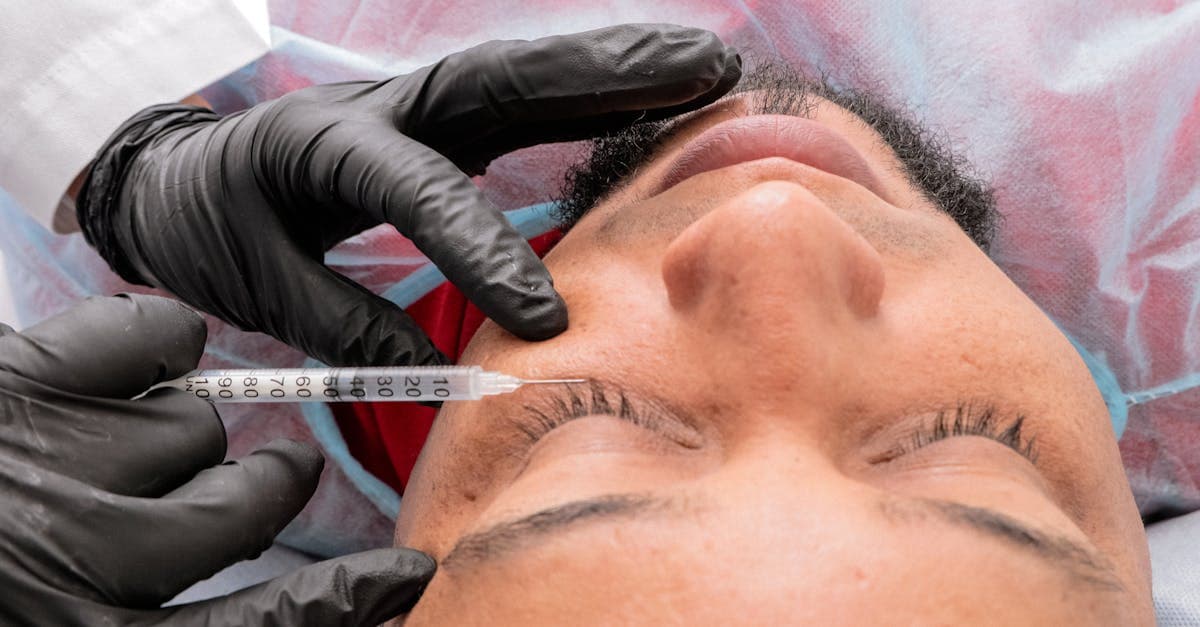
The main non-surgical options fall into two camps: fat reduction and skin tightening. Deoxycholic acid injections, widely known by the brand Kybella in the United States, dissolve fat cells in the treated area. Patients usually need multiple sessions, often two to four, spaced about a month apart. Swelling can be significant for several days, and tenderness or temporary numbness is common. The advantage is precision for small, stubborn fat pockets. The drawback is unpredictability in swelling and the fact that it does little for loose skin.
Cryolipolysis, commonly associated with CoolSculpting technology, freezes fat cells. It can work for some patients with moderate fullness, but under-chin outcomes depend heavily on applicator fit and patient selection. Radiofrequency and ultrasound-based devices, including newer tightening platforms, aim to contract tissue and stimulate collagen. These are often better for mild laxity than for thick fat deposits. In real-world clinics, combination plans are common because many patients have both fat and skin issues.
Pros and cons to weigh:
- Deoxycholic acid injections
- Cryolipolysis
- Radiofrequency or ultrasound tightening
| Treatment Type | Best For | Typical Sessions | Downtime Pattern | Main Limitation |
|---|---|---|---|---|
| Deoxycholic acid injections | Small to moderate localized fat | 2 to 4 | Several days of swelling common | Does not tighten loose skin well |
| Cryolipolysis | Moderate fat with good skin tone | 1 to 2 | Usually mild downtime | Results can be variable |
| Radiofrequency tightening | Mild skin laxity | 3 to 6 | Minimal to mild downtime | Subtle effect on fat |
| Ultrasound tightening | Early laxity and contour refinement | 1 to 3 | Minimal downtime | Less impact on thicker fullness |
When Surgery Makes More Sense: Liposuction, Neck Lift, and Chin Augmentation
Surgery tends to produce the most dramatic and reliable change when the problem is more than a tiny fat pocket. Submental liposuction physically removes fat and can create a sharper cervicomental angle, especially in younger patients with good skin elasticity. A neck lift goes further by tightening skin and deeper structures, sometimes including platysma muscle work for visible neck bands. Chin augmentation enters the conversation when the jawline looks weak because the chin is retruded. In those cases, adding projection can improve the profile even if only a small amount of fat is removed.
This is where many people make expensive mistakes. A patient may focus on “fat under the chin,” but the surgeon sees mild fullness plus a small chin and loose skin. If that patient chooses injections alone because they seem simpler, the result may be underwhelming. By contrast, a tailored surgical plan can address all three dimensions at once: volume, skin, and structure.
Pros of surgical options:
- Strongest and fastest visible change
- Often more cost-effective long term if multiple non-surgical sessions would be needed
- Better suited to moderate or severe laxity and structural issues
- Higher upfront cost
- Recovery time, bruising, and swelling are expected
- Requires careful surgeon selection and realistic understanding of scars and healing
| Procedure | Who It Suits Best | Result Strength | Recovery Reality | Key Trade-Off |
|---|---|---|---|---|
| Submental liposuction | Localized fat with decent skin elasticity | High | Bruising and swelling for days to weeks | Less ideal if skin is loose |
| Neck lift | Loose skin, banding, aging neck contour | Very high | More downtime than non-surgical care | Higher cost and more invasive |
| Chin augmentation | Weak chin or recessed profile | Moderate to high | Depends on implant or filler approach | Does not remove fat by itself |
| Combined surgery | Fat, laxity, and structural issues together | Highest | Longest recovery but most complete correction | Requires expert planning |
Cost, Risks, and How to Choose the Right Provider
Price matters, but value matters more. Non-surgical treatments can look cheaper on a menu, yet the total cost may climb after repeat sessions and maintenance. Depending on region and provider expertise, deoxycholic acid injections may run from several hundred to well over a thousand dollars per session, and many patients need more than one. Energy-based tightening often requires a series. Surgical options usually involve a larger upfront spend, but they may deliver a bigger one-time correction. The right comparison is not sticker price. It is cost relative to likely outcome for your anatomy.
Risk also needs honest discussion. Injections can cause swelling, tenderness, numbness, and in rare cases temporary nerve effects that alter the smile. Energy devices can underdeliver if settings are conservative or if the diagnosis is wrong. Liposuction and neck procedures carry the usual surgical risks, including contour irregularity, bleeding, infection, and recovery variability. These risks are manageable in skilled hands, but they are real.
How to choose well:
- Look for a board-certified dermatologist, facial plastic surgeon, or plastic surgeon with regular lower-face and neck experience
- Ask to see before-and-after cases that resemble your age, skin quality, and starting profile
- Request a treatment plan that explains why fat, skin, or structure is the main target
- Be cautious of clinics that promise one device works for everyone
- Ask what happens if the first treatment produces only partial improvement
Key Takeaways and Practical Tips Before You Book Anything
If you want the short version, match the treatment to the problem, not the trend. A selfie angle or influencer video is not a diagnosis. Stand in natural light, look at your side profile, and ask three questions: Is the fullness soft and pinchable, does the skin look loose, and does the chin itself look small or set back? Your answers will often point you toward fat reduction, tightening, or structural correction.
Use these practical tips before committing:
- Start with stable weight. If you are actively gaining or losing, results are harder to judge and maintain
- Bring older photos to a consultation so changes in structure versus aging are easier to spot
- Ask the provider what result is realistic in percentages, not vague phrases like “snatched” or “dramatic”
- Plan around downtime honestly; injection swelling can be socially noticeable for days
- If you are over 45 or have visible neck creasing, ask directly whether skin laxity is likely to limit non-surgical results
- If your chin is weak, ask whether chin projection is part of the problem
Published on .
Share now!
IC
Isla Cooper
Author
The information on this site is of a general nature only and is not intended to address the specific circumstances of any particular individual or entity. It is not intended or implied to be a substitute for professional advice.