Published on:
10 min read
Face Fillers Guide: Best Options, Costs, and Tips
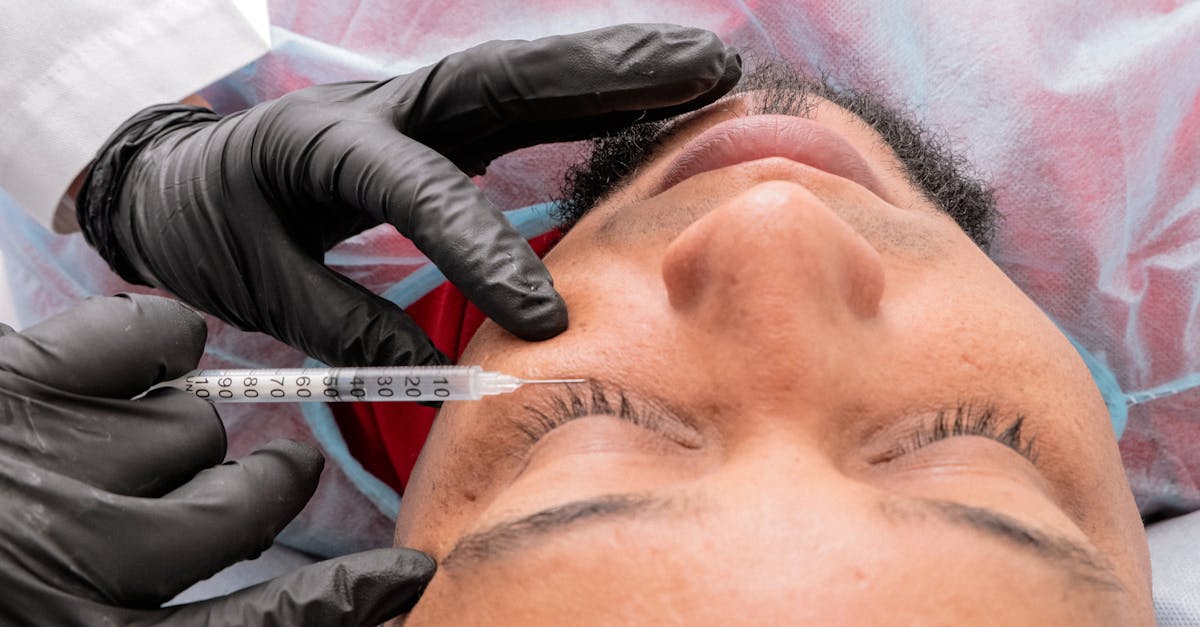
Thinking about face fillers but unsure which product fits your goals, what the appointment really costs, or how to avoid an overdone result? This guide breaks down the most commonly used facial fillers, where they work best, what they typically cost in the U.S., and the practical questions to ask before you book. You will learn the difference between hyaluronic acid fillers and longer-lasting biostimulatory options, how pricing changes by area and injector expertise, and why facial anatomy matters more than simply chasing the lowest price per syringe. The article also covers common side effects, red-flag complications, realistic longevity expectations, and smart aftercare tips that can improve your outcome. If you want a clear, balanced, and experience-informed overview before spending hundreds or thousands of dollars on treatment, this is the guide to read first.
- •What face fillers actually do and who benefits most
- •Best filler options by type and treatment goal
- •What face fillers cost in real life and why prices vary so much
- •How to choose an injector and reduce the risk of bad results
- •Longevity, side effects, and what recovery actually looks like
- •Key takeaways and practical tips before you book
- •Conclusion: how to make a smart filler decision
What face fillers actually do and who benefits most
Face fillers are injectable gels or stimulatory substances used to restore volume, soften lines, improve contour, and sometimes subtly improve facial balance. The biggest misconception is that fillers are only for larger lips or dramatic cheekbones. In practice, many of the best results are almost invisible to everyone except the patient. A skilled injector may use a fraction of a syringe to soften under-eye hollows, support a recessed chin, or restore volume lost through aging. By the mid-40s, many adults have lost noticeable facial fat and collagen, and studies on facial aging consistently show volume loss is one of the main reasons the face looks tired even before deep wrinkles appear.
Good candidates usually want structure, hydration, or balance rather than a complete transformation. Common treatment zones include cheeks, lips, nasolabial folds, marionette lines, jawline, temples, and chin. Someone in their late 20s may choose lip filler for shape, while someone in their 50s may need cheek and lower-face support to look refreshed rather than puffy.
There are also clear limitations. Fillers do not replace a facelift when skin laxity is advanced, and they are not the best answer for every line. Dynamic wrinkles caused by movement, such as crow's feet or frown lines, are usually treated more effectively with neuromodulators than filler.
Pros:
- Immediate or near-immediate visible improvement
- Little downtime for most people
- Customizable for small, precise changes
- Results are temporary
- Costs add up over time
- Poor technique can create asymmetry or an unnatural look
Best filler options by type and treatment goal
The most commonly used face fillers fall into a few major categories, and choosing well matters more than choosing what is trendy. Hyaluronic acid fillers are the most popular because they are versatile, feel natural in many areas, and can often be dissolved with hyaluronidase if needed. Brands in this category include Juvéderm and Restylane families. Softer formulas are often used in lips or fine lines, while firmer ones may support cheeks, chin, or jawline.
Calcium hydroxylapatite filler, best known as Radiesse, is thicker and often used for deeper support, especially in the lower face or hands. Poly-L-lactic acid, sold as Sculptra, works differently. It stimulates collagen gradually over several months and is often chosen for diffuse volume loss in the cheeks, temples, or lower face. PMMA fillers such as Bellafill are longer-lasting and less commonly used, partly because they require a very experienced injector and are less easily reversible.
A practical way to think about options is by treatment goal:
- Lips: softer hyaluronic acid fillers usually look and feel most natural
- Under-eyes: only select hyaluronic acid fillers in expert hands, because this area is unforgiving
- Cheeks and midface: firmer hyaluronic acid fillers or Sculptra depending on anatomy and desired longevity
- Jawline and chin: structured hyaluronic acid fillers or Radiesse for stronger support
What face fillers cost in real life and why prices vary so much
In the U.S., face filler costs typically range from about $600 to $1,200 per syringe for hyaluronic acid products, though premium urban markets and highly sought-after injectors may charge more. Radiesse often lands in a similar range, while Sculptra is commonly priced per vial, roughly $800 to $1,500 depending on region and practice. The headline number matters less than the total plan. A patient may be quoted $750 per syringe but need three syringes, turning a “small tweak” into a $2,250 visit before consultation fees, taxes, or follow-up treatment.
Pricing varies for several reasons. Injector expertise is a major one. Board-certified dermatologists and facial plastic surgeons with advanced anatomy training usually charge more than high-volume medspas, but they may also be better equipped to prevent and manage complications. Geography matters too. A syringe in Manhattan, Beverly Hills, or Miami often costs significantly more than in smaller suburban markets. Treatment area matters because structurally demanding zones often require more product.
Patients should also ask whether they are paying per syringe, per area, or per treatment plan. “Per area” pricing can sound simpler, but it may hide how much product is actually being used.
Common budgeting realities:
- Lips often cost $700 to $1,000 for one syringe, though many first-timers use only half to one syringe
- Cheek rejuvenation often starts around $1,500 to $2,500 total
- Chin and jawline contouring can exceed $2,000 to $4,000 in one plan
How to choose an injector and reduce the risk of bad results
Choosing the injector is arguably more important than choosing the filler brand. Complications from fillers are uncommon but real, and they usually relate to anatomy knowledge, product selection, or poor technique. Vascular occlusion, where filler blocks blood flow, is rare but serious and can lead to skin injury or even vision problems if not recognized and treated immediately. That is why credentials matter. A board-certified dermatologist, facial plastic surgeon, oculoplastic surgeon, or similarly trained expert injector with a strong facial aesthetics focus is usually a safer choice than a bargain-driven appointment.
During consultation, good injectors assess your face as a whole rather than chasing one line. If you ask to fill deep folds around the mouth, they may explain that mild cheek support could lift the area more naturally. They should also discuss what filler can and cannot do, expected longevity, aftercare, and emergency protocols.
Look for these signs of a high-quality practice:
- They review your medical history, prior filler use, allergies, and autoimmune issues
- They take standardized before photos
- They explain the exact product, amount, and placement plan
- They have hyaluronidase on site for hyaluronic acid filler complications or reversals
- They schedule follow-up rather than treating and disappearing
Longevity, side effects, and what recovery actually looks like
Most fillers are temporary, but “temporary” can mean anything from six months to more than two years depending on the product, placement, metabolism, and how expressive the area is. Lip filler often fades faster because the mouth moves constantly, while cheek and chin filler may last 12 to 18 months or longer in some patients. Sculptra works gradually and is often described as longer-lasting because it stimulates collagen, with results commonly maintained around two years after a treatment series.
The normal short-term side effects are usually manageable. Expect swelling, tenderness, redness, and occasional bruising for several days. Lips and under-eyes often swell more than patients expect, especially in the first 24 to 72 hours. If you have an event coming up, booking filler two weeks ahead is a safer rule than squeezing it in the day before.
Typical aftercare advice includes avoiding strenuous exercise, alcohol, and excessive heat for the first day, sleeping with your head elevated if swelling is significant, and not massaging the area unless your injector specifically instructs you to do so.
Common temporary downsides:
- Swelling can make the result look bigger than it will be
- Bruising may last 5 to 10 days
- Minor asymmetry is sometimes just temporary swelling
- Lumps or unevenness
- Tyndall effect, a bluish cast from superficial placement in delicate areas
- Infection, delayed inflammatory nodules, or vascular compromise
Key takeaways and practical tips before you book
If you want results that are worth repeating, the smartest strategy is to treat filler as a medical procedure with aesthetic benefits, not a quick beauty impulse. Start with one clear goal. Do you want more definition, less tiredness, better facial balance, or softer lines? When patients arrive saying only “I want filler,” they are more likely to get upsold or end up with treatment that does not match their anatomy.
A practical checklist helps. Bring reference photos of yourself from a few years ago rather than celebrity inspiration. That gives the injector a realistic restoration target. Ask exactly how many syringes are recommended now versus later, what happens if you dislike the outcome, and how often maintenance is usually needed. If the injector says everyone needs the same amount, that is a warning sign.
Useful pre-booking tips:
- Avoid blood-thinning supplements such as fish oil, vitamin E, and ginkgo for about a week if your own doctor says that is safe for you
- Schedule at least two weeks before weddings, photoshoots, or important events
- Budget for maintenance, not just the first visit
- Keep your first session conservative; adding more is easier than dissolving excess
- Ask to see unopened product boxes and confirm expiration dates
Conclusion: how to make a smart filler decision
The best face filler result is not the most obvious one. It is the one that fits your anatomy, budget, and long-term goals while still looking like you. Start by identifying the problem you actually want to solve, then choose an experienced injector who can explain product options, realistic longevity, likely costs, and potential risks in plain language. Be especially cautious with bargain pricing, rushed consultations, and anyone who treats filler like a one-size-fits-all service. If you are ready to move forward, book a consultation focused on facial assessment rather than just one area, ask for a conservative plan, and leave enough time for swelling to settle before any major event. A thoughtful first appointment is usually the difference between a subtle upgrade and an expensive correction.
Published on .
Share now!
CY
Caleb Young
Author
The information on this site is of a general nature only and is not intended to address the specific circumstances of any particular individual or entity. It is not intended or implied to be a substitute for professional advice.