Published on:
10 min read
Brow Lift Guide: Costs, Options, and Recovery Tips
A brow lift can make the upper face look more rested, open, and balanced, but the right choice depends on more than before-and-after photos. This guide breaks down the main brow lift options, what they typically cost, who makes a good candidate, and what recovery really feels like in the first days and weeks after treatment. You will also learn how surgical and non-surgical approaches compare, which tradeoffs matter most for longevity and downtime, and how to avoid common mistakes such as choosing a procedure based on price alone. Whether you are considering Botox for a subtle lift or a surgical brow lift for heavier forehead descent, this article gives you practical questions to ask, realistic expectations to set, and recovery tips that can improve both comfort and results.
- •What a Brow Lift Actually Changes and Why People Consider It
- •Brow Lift Options: Surgical vs. Non-Surgical Approaches
- •How Much a Brow Lift Costs and What Drives the Price
- •Who Is a Good Candidate and How to Choose the Right Surgeon
- •Recovery Timeline: What the First Days and Weeks Really Feel Like
- •Risks, Results, and Key Takeaways Before You Commit
What a Brow Lift Actually Changes and Why People Consider It
A brow lift is designed to raise or reposition the brow area so the upper face looks less tired, less heavy, or less stern. Many people assume they need eyelid surgery when the real issue is brow descent. When the brow sits lower than it used to, the skin above the eyes can bunch downward, making the upper lids look fuller even if the eyelids themselves are not the primary problem. That distinction matters because operating on the wrong area can produce an unnatural result.
In practice, patients usually seek a brow lift for one of three reasons: visible hooding at the outer upper eyelid, deep horizontal forehead lines, or a chronically angry appearance from low-set brows and frown lines. A common real-world scenario is someone in their late 40s or 50s who feels they look exhausted on video calls despite sleeping well. Another is a younger patient in their 30s with naturally heavy brows who wants a subtle lateral lift rather than a dramatic arch.
Why it matters: the goal is not simply to raise the brows as high as possible. A good result improves facial harmony. Over-lifting can create a surprised expression, especially in men, whose ideal brow position is typically flatter and lower than in women.
Patients also need to understand that brow aging is not only about skin. Bone remodeling, skin elasticity loss, and repeated muscle activity all contribute. That is why treatment plans vary so much.
Pros of addressing brow position:
- Can open the eye area without changing your core features
- May soften a tired or tense expression
- Often improves forehead creases when surgery is combined with muscle adjustment
- Results vary by anatomy and skin quality
- Surgical options involve downtime and scars, even when well hidden
- A brow lift does not fix every upper eyelid concern
Brow Lift Options: Surgical vs. Non-Surgical Approaches
There is no single brow lift procedure. The best option depends on how much lift you need, how long you want results to last, your tolerance for downtime, and whether the problem is skin laxity, muscle pull, or both. Broadly, choices fall into two groups: surgical brow lifts and non-surgical treatments.
Surgical options include endoscopic brow lift, temporal or lateral brow lift, and the more traditional coronal or pretrichial approaches. Endoscopic brow lift uses small incisions behind the hairline and a camera-assisted technique. It is often favored because scars are shorter and recovery is usually easier than older methods. A temporal brow lift focuses on the outer brow and suits patients bothered mainly by lateral hooding. Coronal lifts can produce powerful correction but are used less often because the incision is longer and numbness can last longer.
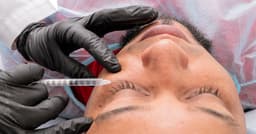
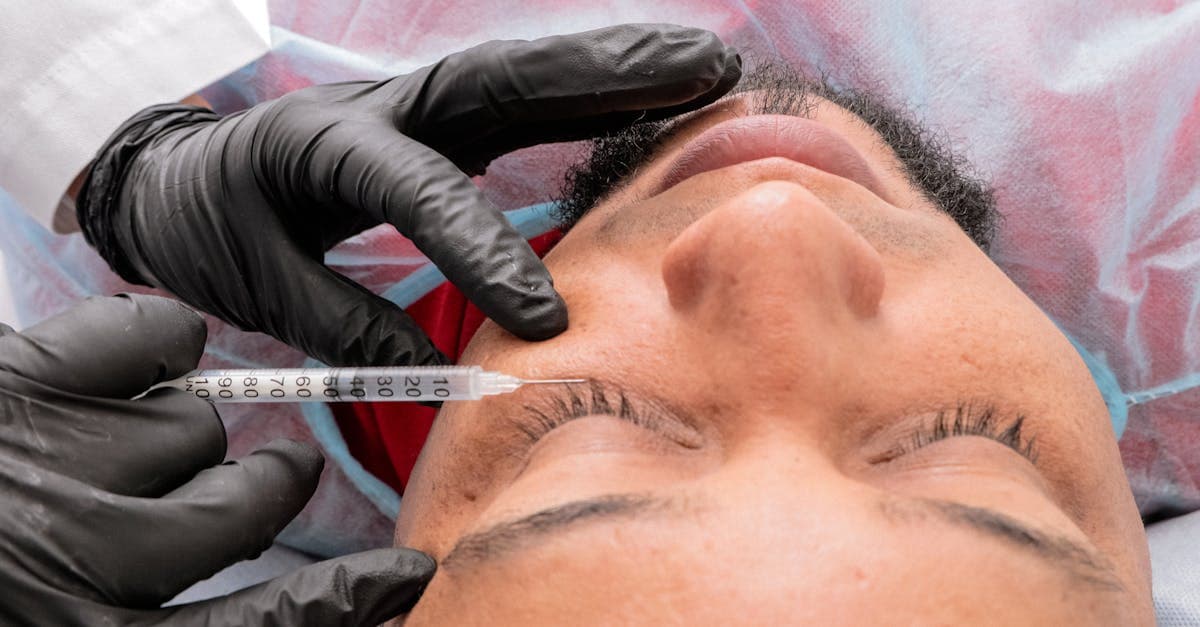
Non-surgical options usually mean neuromodulators such as Botox, Dysport, or Xeomin, sometimes paired with fillers, skin-tightening devices, or threads. Botox works by relaxing the muscles that pull the brow downward, allowing the forehead elevator muscle to lift the brow slightly. The lift is modest, often just a few millimeters, but that can be enough for the right patient.
Pros of surgical treatment:
- Longer-lasting improvement, often measured in years rather than months
- Better for true brow descent and heavier tissues
- Can be combined with eyelid surgery or fat grafting for a more complete result
- Higher cost and more recovery time
- Requires anesthesia or sedation in many cases
- Carries risks such as asymmetry, numbness, and hairline changes
- Minimal downtime
- Lower upfront cost
- Good for testing whether a subtle lift suits your face
- Temporary results, typically around 3 to 4 months for Botox
- Limited lifting power
- Repeated maintenance can add up over time
How Much a Brow Lift Costs and What Drives the Price
Cost is one of the biggest decision points, but it should be evaluated in context. In the United States, a surgical brow lift often falls somewhere between 3500 dollars and 12000 dollars total, depending on region, surgeon expertise, anesthesia, and facility fees. In major metro areas such as New York, Los Angeles, or Miami, quotes can run higher, especially if the surgeon is board-certified in facial plastic surgery or plastic surgery and performs a high volume of brow and eyelid procedures. Non-surgical brow lift treatment with Botox might range from about 250 dollars to 800 dollars per session, depending on how many units are used and local pricing.
The surgeon’s fee is only part of the number. You also need to ask whether the quote includes pre-op visits, anesthesia, operating room charges, post-op garments if used, prescriptions, and follow-up appointments. A lower quote can look attractive until those extras start stacking up. If a practice bundles everything into one number, that usually makes comparison easier.
Another factor is whether the procedure is cosmetic or functional. Most brow lifts are cosmetic and therefore not covered by insurance. However, in select cases where a low brow significantly obstructs the visual field, a portion of treatment may be considered medically necessary after formal visual testing. That is not the norm, but it is worth asking about if your brow physically interferes with vision.
To compare value, think in annualized terms. If a 700 dollar Botox brow lift lasts 4 months, that could mean roughly 2100 dollars per year. A 9000 dollar surgical lift that still looks good after 8 to 10 years may be more cost-effective for the right patient.
Focus on value, not the cheapest sticker price.
Who Is a Good Candidate and How to Choose the Right Surgeon
A good brow lift candidate is not defined by age alone. Some patients in their 30s have inherited heavy brows and benefit from a conservative lateral lift, while others in their 60s may be better served by combining a brow lift with upper blepharoplasty because multiple structures are aging at once. In general, strong candidates are in good overall health, do not smoke or are willing to stop before and after surgery, and have realistic expectations about subtlety. The best results usually look refreshed, not dramatically altered.
During consultation, a qualified surgeon should evaluate brow position at rest, forehead length, hairline shape, eyelid skin excess, muscle activity, and facial symmetry. They should also ask about dry eye, migraines, prior facial surgery, and medications that increase bleeding risk. If a consultation feels rushed or the recommendation seems one-size-fits-all, that is a red flag.
A practical example: a patient with a high forehead may not be ideal for a technique that pushes the hairline farther back. Someone with thinning hair may need a different incision strategy than a patient with dense hair. Men also require special planning because excessive arching can feminize the brow.
When choosing a surgeon, verify board certification and ask how often they perform brow procedures specifically, not just facial surgery in general. Ask to see before-and-after photos of patients with similar anatomy.
Questions worth asking:
- What type of brow lift do you recommend for my anatomy and why
- How do you minimize asymmetry and visible scarring
- What is your revision rate for brow lift patients
- Will I need eyelid surgery as well, or is the brow the main issue
- What should I expect at 1 week, 1 month, and 6 months after surgery
Recovery Timeline: What the First Days and Weeks Really Feel Like
Recovery is often easier than patients fear, but it is rarely effortless. For a surgical brow lift, the first 48 to 72 hours usually bring the most swelling, tightness, and pressure. Most people describe discomfort as manageable rather than severe, especially with prescribed medication, cold compresses when approved, and head elevation. Bruising may track downward around the eyes, which can look dramatic even when healing is on schedule.
Many patients return to desk work in about 7 to 10 days, though visible swelling can persist beyond that. Sutures or staples, when present, are often removed around 7 to 14 days depending on technique. Numbness near the scalp is common and may take weeks or months to settle. Itching is also normal as nerves wake up. Exercise, bending, and heavy lifting are typically limited for at least two weeks, sometimes longer.
A realistic timeline looks like this: by one week, you may feel socially presentable with makeup or strategic hairstyling. By two to three weeks, most swelling is improved. By six weeks, the result starts looking much more natural. Final settling can continue for several months.
Helpful recovery habits include:
- Sleep with your head elevated on two pillows or in a recliner for the first several nights
- Avoid smoking and nicotine because they impair blood flow and healing
- Take medications exactly as directed and ask before using supplements like fish oil or vitamin E
- Protect incisions from sun exposure, which can darken scars
Risks, Results, and Key Takeaways Before You Commit
Every brow lift decision comes down to matching the procedure to the problem. A subtle Botox brow lift can be excellent for someone wanting a small outer-brow elevation before a wedding, job transition, or photo-heavy season. A patient with true brow descent, heavy lateral hooding, and forehead creasing will usually get a more meaningful and longer-lasting result from surgery. Problems happen when people expect a low-downtime treatment to deliver a surgical result, or when they undergo surgery without understanding the recovery curve.
No procedure is risk-free. Potential complications include asymmetry, under-correction, overcorrection, numbness, visible scarring, hair loss around the incision, dry eye symptoms, and the need for revision. These are uncommon in experienced hands, but they are not theoretical. That is why surgeon selection and pre-op planning matter more than promotional pricing.
Key takeaways for smarter decision-making:
- Define your actual goal. Do you want a subtle refresh, or do you want to correct significant heaviness and hooding
- Ask for a diagnosis, not just a treatment. Low brows, excess eyelid skin, and volume loss are different issues
- Compare total cost, not just the surgeon fee or per-unit injectable price
- Budget for downtime honestly, especially if your job involves meetings, cameras, or public contact
- Review at least 10 before-and-after cases similar to your face shape, age range, and hairline
- Follow recovery instructions closely because good healing directly affects the final result
Published on .
Share now!
SH
Scarlett Hayes
Author
The information on this site is of a general nature only and is not intended to address the specific circumstances of any particular individual or entity. It is not intended or implied to be a substitute for professional advice.