Published on:
4 min read
By Grace Mitchell · Home Organization Editor
Which Labeling System Works Best for Pantry Organization?
I recently transformed my chaotic pantry into an organized haven. It took experimenting with various labeling systems, and I'm here to share what I discovered about chalkboard versus printed labels.
My Pantry Overhaul: The Quest for Order
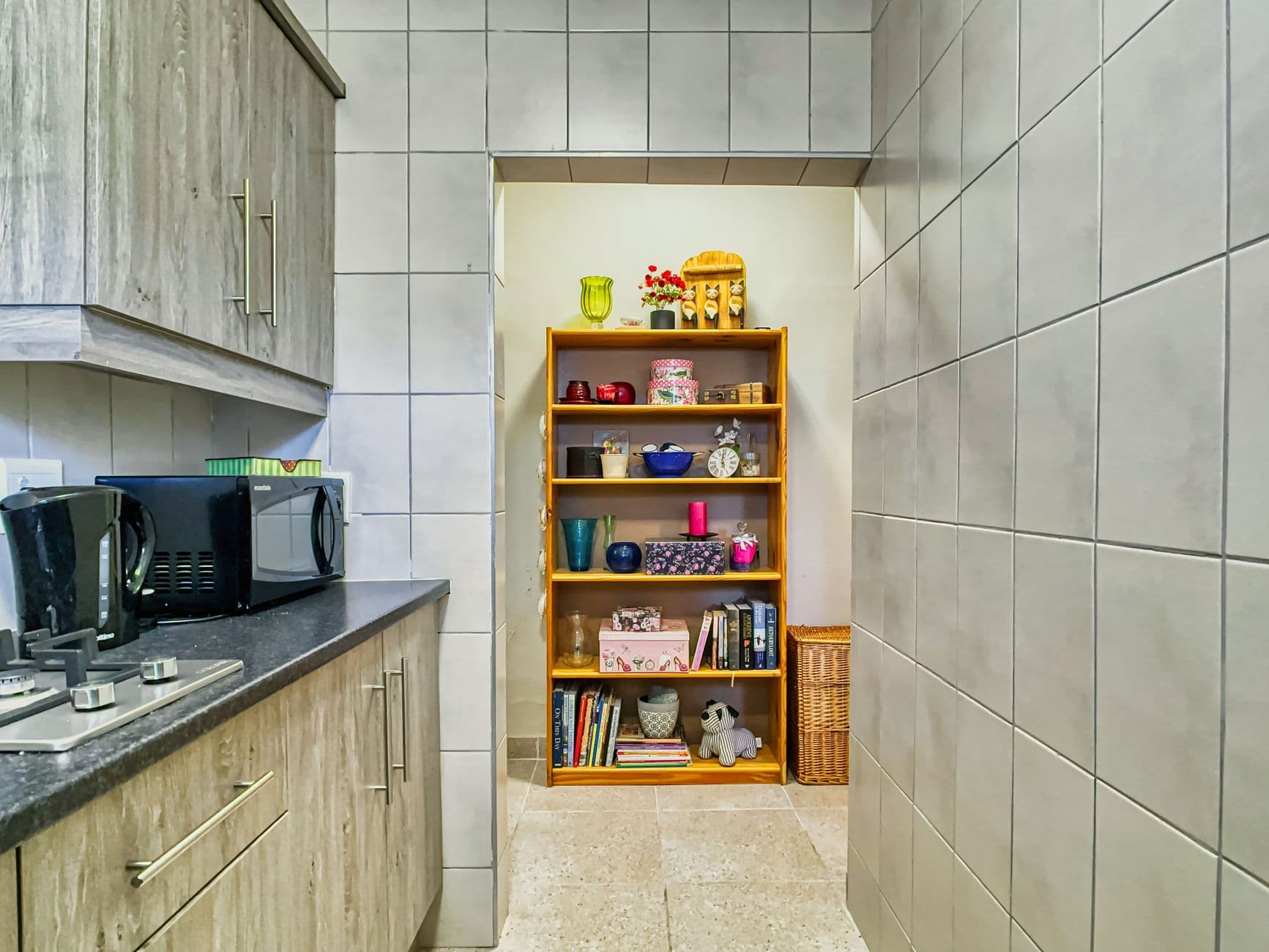
A few months ago, I stood in front of my pantry and realized it had become an abyss of chaos. Boxes stacked on top of cans, bags slipping and toppling over. That's when I decided it was time for a complete overhaul. My main goal was to implement a labeling system that would bring harmony and, hopefully, make cooking less of a scavenger hunt. In this article, I'll walk you through my trials with chalkboard and printed labels, sharing concrete details about time spent, costs, and practical steps. By the end, you'll know which system might work best for your pantry makeover.
The Chalkboard Label Experience: Flexibility Meets Aesthetic
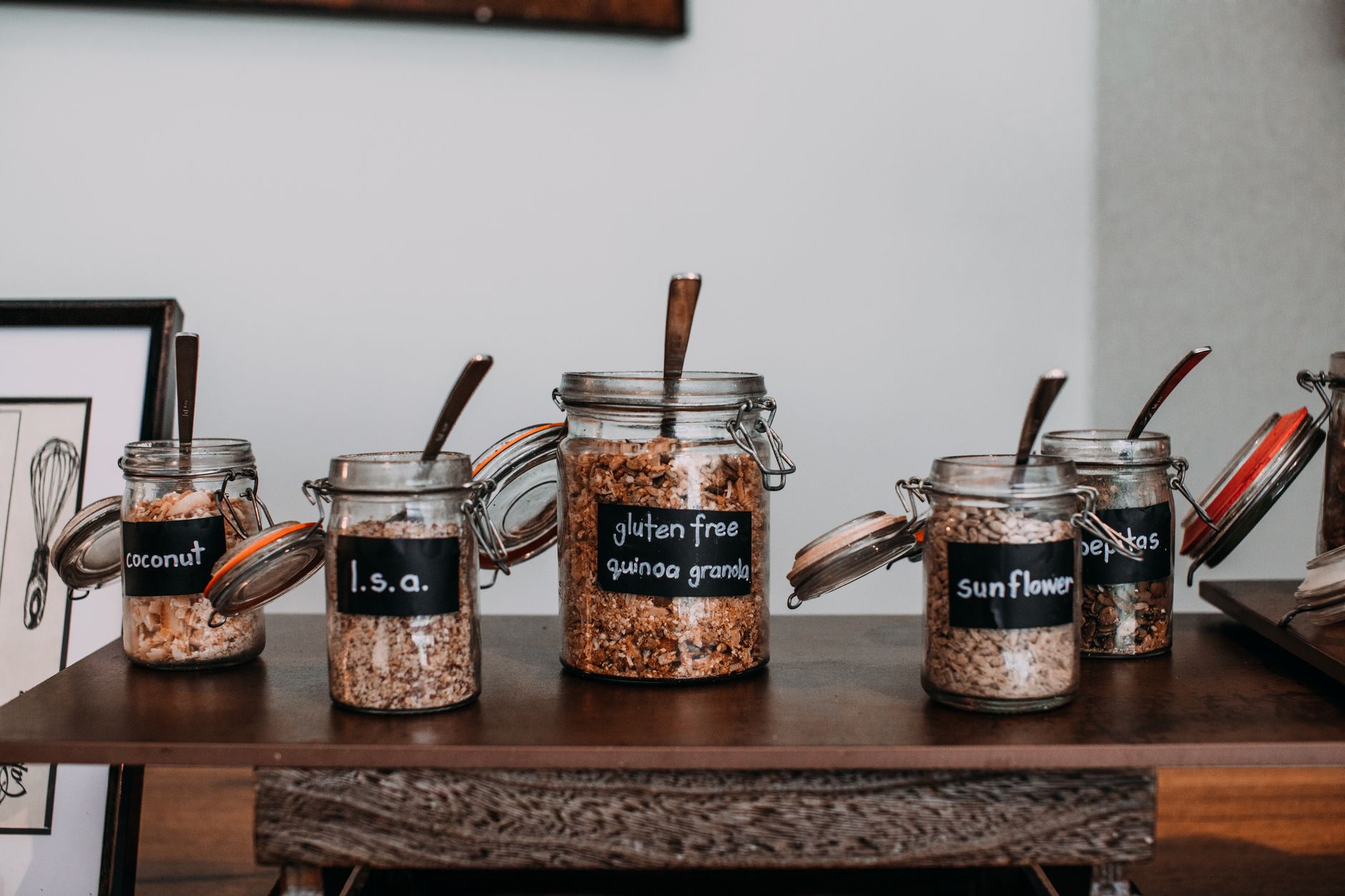
I started with chalkboard labels, drawn in by their charming look and the promise of easy adjustments. I bought a set of 50 labels for about $12, which included a liquid chalk pen. The labels were peel-and-stick, which made application straightforward. As I labeled my containers — from flour to pasta — I appreciated how forgiving they were. If I made a mistake, a damp cloth wiped it away.
However, I ran into challenges. The liquid chalk smudged easily, particularly in my humid kitchen. I had to re-label several containers after accidental smudging, which became a bit of a chore. Also, while aesthetically pleasing, my handwriting left much to be desired, leading to inconsistent and sometimes illegible labels.
The process took about three hours for my small pantry, which holds around 30 containers. Despite the initial issues, the flexibility of re-writing labels was a definite plus. Over time, I found myself enjoying the adaptability these labels offered, particularly when I switched out seasonal items or tried new recipes.
Printed Labels: Clarity and Consistency
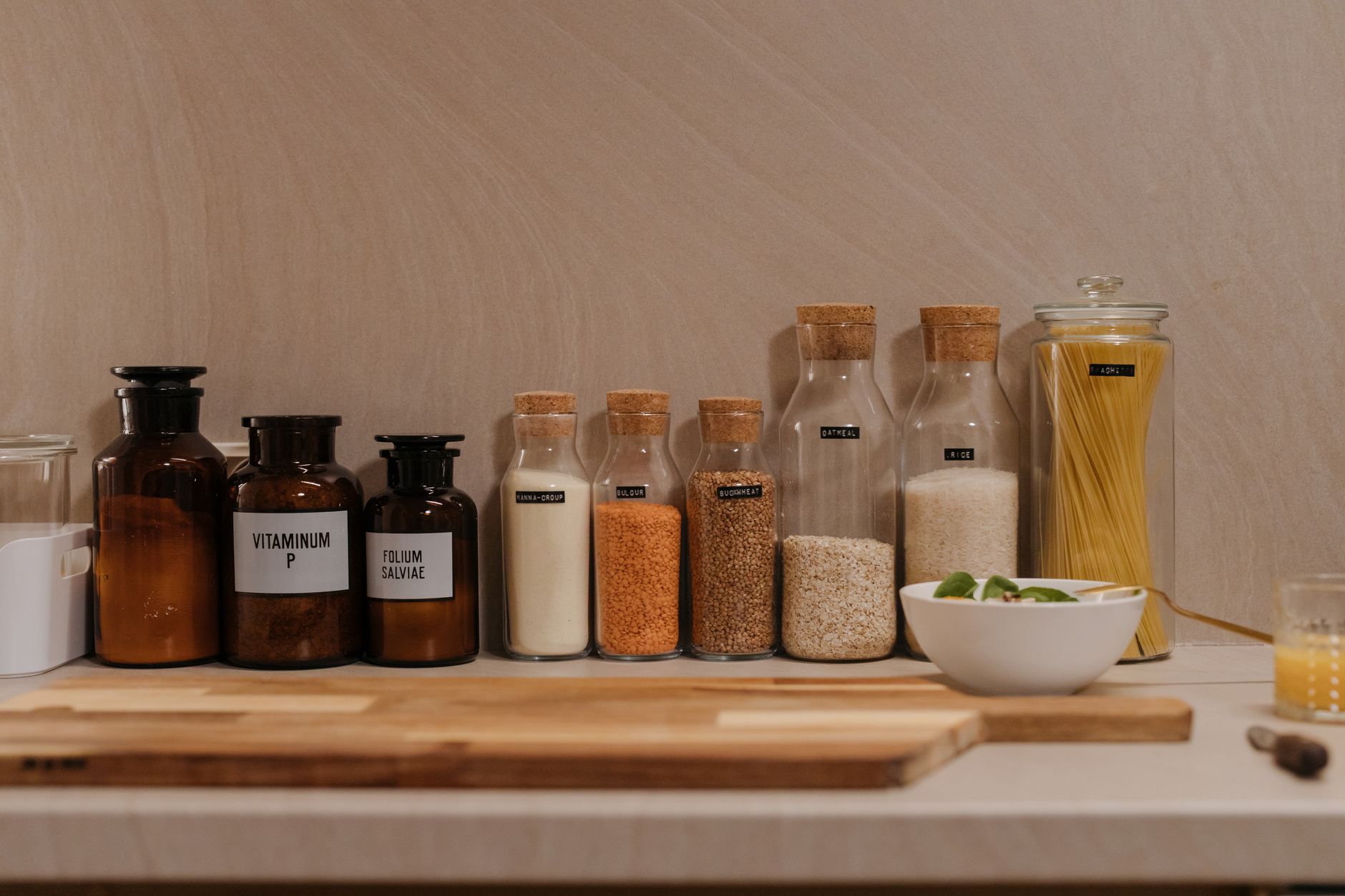
After the chalkboard label trial, I switched to printed labels, curious about their promised clarity and consistency. I opted for a basic label maker, which cost me $40, and a roll of label tape for $10. The upfront cost was higher, but I was drawn to the precision it offered.
Creating labels was initially a bit tedious; typing out each label took time, and I spent about four hours re-labeling my pantry. However, the process was oddly satisfying. Every label looked neat and uniform. Unlike the chalkboard labels, these didn't smudge, and they adhered well to plastic, glass, and metal.
One downside was the lack of flexibility. If I needed to change a label, I had to print a new one, which added to the expense and waste. Despite this, the clarity they brought to my pantry was impressive. I could quickly spot the difference between similar-looking products, saving time when cooking. Moreover, the printed labels stood out for their durability; they remained intact even after frequent handling and occasional spills.
Chalkboard vs. Printed Labels: A Comparative Look
Here's a side-by-side comparison of the two labeling systems to help you decide which might suit your needs better.
| Aspect | Chalkboard Labels | Printed Labels |
|---|---|---|
| Cost | $12 for 50 labels | $40 for label maker + $10 for tape |
| Time to Apply | 3 hours for 30 containers | 4 hours for 30 containers |
| Durability | Prone to smudging | Long-lasting and smudge-free |
Practical Tips for Choosing Your Labeling System
Here are some practical tips I gathered during my pantry reorganization:
- Assess your pantry size and the number of containers before committing to a labeling system.
- If you have many items that frequently change, consider flexibility in label types.
- Test a small area with the labels before committing to the whole pantry.
- Practice your handwriting or invest in a stencil for chalkboard labels to ensure clarity.
- Consider the aesthetic you want in your kitchen — if style matters, chalkboard labels may add a rustic charm.
- For printed labels, keep extra tape on hand to avoid running out mid-project, which I found saved me a lot of time.
- Consider a hybrid approach: use chalkboard labels for frequently changed items and printed labels for staples.
Q&A: Common Questions About Pantry Labeling
Q: Do chalkboard labels work on all container types?
Yes, they adhere well to glass, plastic, and metal, but ensure the surface is clean and dry.
Q: How often do you need to replace printed labels?
Printed labels are quite durable and only need replacing if the container's contents change.
Q: Can I use a regular chalk piece instead of a liquid chalk pen for chalkboard labels?
You can, but regular chalk may not provide the same level of detail and may smudge more easily.
Q: Are there waterproof options for pantry labels?
Yes, some printed labels offer waterproof options, ideal for areas prone to moisture.
Q: What if I don't like my handwriting?
Consider using pre-printed labels or a label maker to ensure neatness and consistency.
EditorialOur Take
In my experience, both labeling systems have their merits. Chalkboard labels are great for those who value flexibility and style, while printed labels provide clarity and consistency. For someone with a penchant for aesthetics and frequent content changes, chalkboard labels might be the way to go. However, if you prioritize efficiency and neatness, printed labels could be your best bet. Personally, I found a hybrid approach worked wonders: chalkboard labels for items that change often, like snacks, and printed labels for staples that rarely change, like sugar and flour. This way, I enjoyed the best of both worlds. Ultimately, the choice depends on your personal preference and pantry needs.
Published on .
Share now!

Grace Mitchell
Home Organization Editor
Grace Mitchell leads Annyblog's home-organization writing. She is a reformed over-buyer who learned that a calm home comes from fewer things in better places. Grace shares the systems that actually stuck for her. Grace uses AI tools to research, draft, and help keep these articles accurate.
More from Grace →The information on this site is of a general nature only and is not intended to address the specific circumstances of any particular individual or entity. It is not intended or implied to be a substitute for professional advice.
Get our best tips in your inbox
A short, practical email now and then. No spam, and you can unsubscribe anytime.