Published on:
5 min read
By Grace Mitchell · Home Organization Editor
5 Unique Ways to Organize Books Without Bookshelves
I had run out of shelf space and needed creative ways to organize my burgeoning book collection. Here's how I did it with stacks, baskets, and more.

The Quest for More Book Space
In my small apartment, bookshelf space is a precious commodity. Despite my love for books, I had to face the reality that my shelves were overflowing, and yet, my passion for collecting books was unrelenting. It was time to get creative with how I stored my beloved tomes. I wanted solutions that were not only functional but aesthetically pleasing. I tried several methods, each with its unique flair, to store and showcase my books without conventional shelving. What follows are some of the inventive strategies I found helpful.
The Art of Stacking
One of the simplest solutions I discovered was stacking books. I started by creating intentional stacks in corners of rooms, using them almost as furniture. For instance, a stack of 12 books in varying sizes made for a unique side table next to my reading chair. The key was to choose sturdy, hardcover books for the base to ensure stability. This not only saved shelf space but added a touch of personality to the room. It took about 30 minutes to arrange and rearrange until I got the aesthetic right. The trial and error were worth it, as now each stack carries its own story and purpose.
Stacking books allowed me to use vertical space efficiently. I also experimented with color-coordinated stacks, which added an artistic element. By grouping books with similar colors, the stacks became eye-catching decor pieces. This method was flexible; I could easily incorporate or remove books as needed. It became a dynamic part of my living space.

Baskets: Function Meets Style
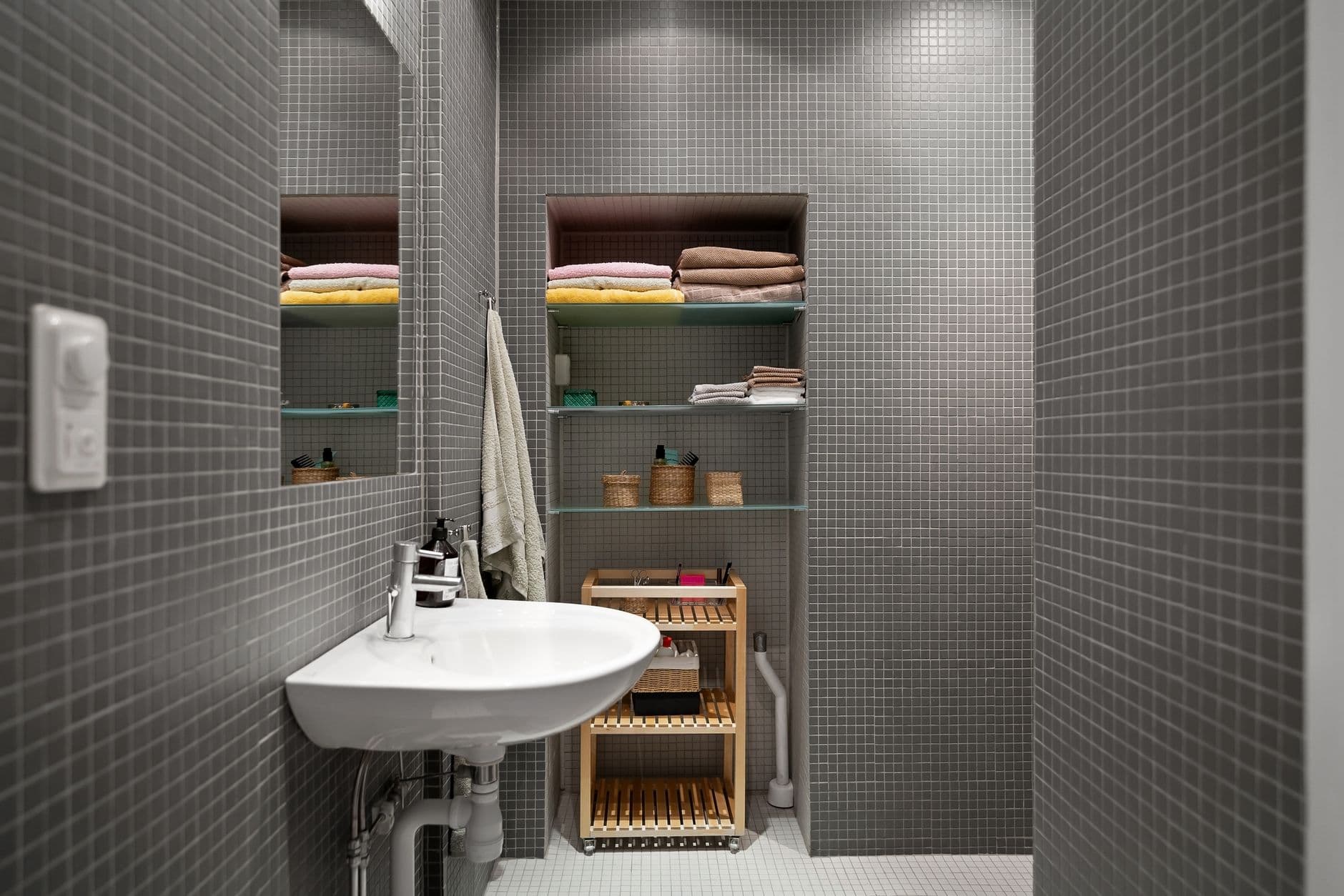
Baskets became my best friend in this organizational journey. I purchased four wicker baskets, each costing around $15, from a local craft store. These baskets, placed on the floor by the sofa or even in the bathroom, provided a chic way to store and transport my books. Each basket could hold about 8-10 books, so I categorized them by genre or mood. For example, one basket holds thrillers for those late-night reading marathons, while another is filled with cookbooks in the kitchen. I found that this method not only organizes but also subtly decorates each space.
Initially, I overlooked the importance of handles. Baskets with sturdy handles proved invaluable when moving them around, especially during cleaning. I also learned to line the baskets with fabric to prevent the covers from snagging on the wicker. This small step maintained the condition of my books and added a touch of softness to the display.
I later added labels to the baskets, using simple paper tags attached with twine. This made it easy to identify the contents at a glance and kept me from rummaging through each basket to find a particular book.
Comparing Creative Book Storage Solutions
I tried various methods to organize my books and compared their effectiveness, cost, and aesthetics. Here's a breakdown:
| Method | Cost | Capacity |
|---|---|---|
| Stacking Books | Free | Varies by stack size |
| Wicker Baskets | $15 each | 8-10 books per basket |
| Bookends on Mantel | $20 for a pair | 10-12 books |
| Under-bed Storage | $25 for a container | 20-30 books |
Step-by-Step: Creating a Book Wall
For those who love a feature wall, creating a book wall can be both a practical and artistic venture. Here’s how I did mine:
- Choose a blank wall with enough space for a visual impact.
- Install floating shelves at varying heights – I used three, each costing about $25.
- Arrange books horizontally and vertically for visual interest.
- Add in small plants or trinkets among the books for texture.
- Step back frequently to assess and adjust the balance and color.
Reader Questions
Q: How do you ensure book stacks don't topple over?
I use heavier, larger books at the base and stack progressively lighter ones on top. For added safety, I sometimes use adhesive putty underneath the bottom book.
Q: Are there any drawbacks to using baskets for book storage?
While baskets are stylish, accessing the book at the bottom can be a hassle if the basket is full. I suggest arranging them so frequently read books are on top.
Q: How do you prevent dust accumulation on open book stacks?
I dust weekly with a microfiber cloth. Placing stacks in less trafficked areas also helps reduce dust.
Q: Can under-bed storage damage books?
As long as the books are kept away from direct sunlight and moisture, under-bed storage is safe. I use plastic containers with lids to protect them.
EditorialOur Take
For anyone tight on space or just looking to break away from traditional shelving, these methods offer a blend of practicality and creativity. I found that while stacking books added a unique aesthetic touch, baskets offered more flexibility. However, these solutions require some maintenance, like regular dusting and organizing. They're ideal for those who enjoy a bit of whimsy in their home decor and don't mind a hands-on approach to organization. If you're looking for a minimalist, clutter-free appearance, these options might not be for you. But for book lovers who view their collections as part of their home's personality, these methods are a perfect fit. These solutions make the most of small spaces without requiring extensive renovations or investments, providing a personal touch to book storage.
Published on .
Share now!

Grace Mitchell
Home Organization Editor
Grace Mitchell leads Annyblog's home-organization writing. She is a reformed over-buyer who learned that a calm home comes from fewer things in better places. Grace shares the systems that actually stuck for her. Grace uses AI tools to research, draft, and help keep these articles accurate.
More from Grace →The information on this site is of a general nature only and is not intended to address the specific circumstances of any particular individual or entity. It is not intended or implied to be a substitute for professional advice.
Get our best tips in your inbox
A short, practical email now and then. No spam, and you can unsubscribe anytime.