Published on:
4 min read
By Noah Parker · Routines & Habits Writer
What’s the Ideal Order for Evening Routines?
Experimenting with different evening activities helped me find my ideal nighttime routine. Here's what worked, what didn't, and how you can find your own perfect order.
Finding the Perfect Evening Flow
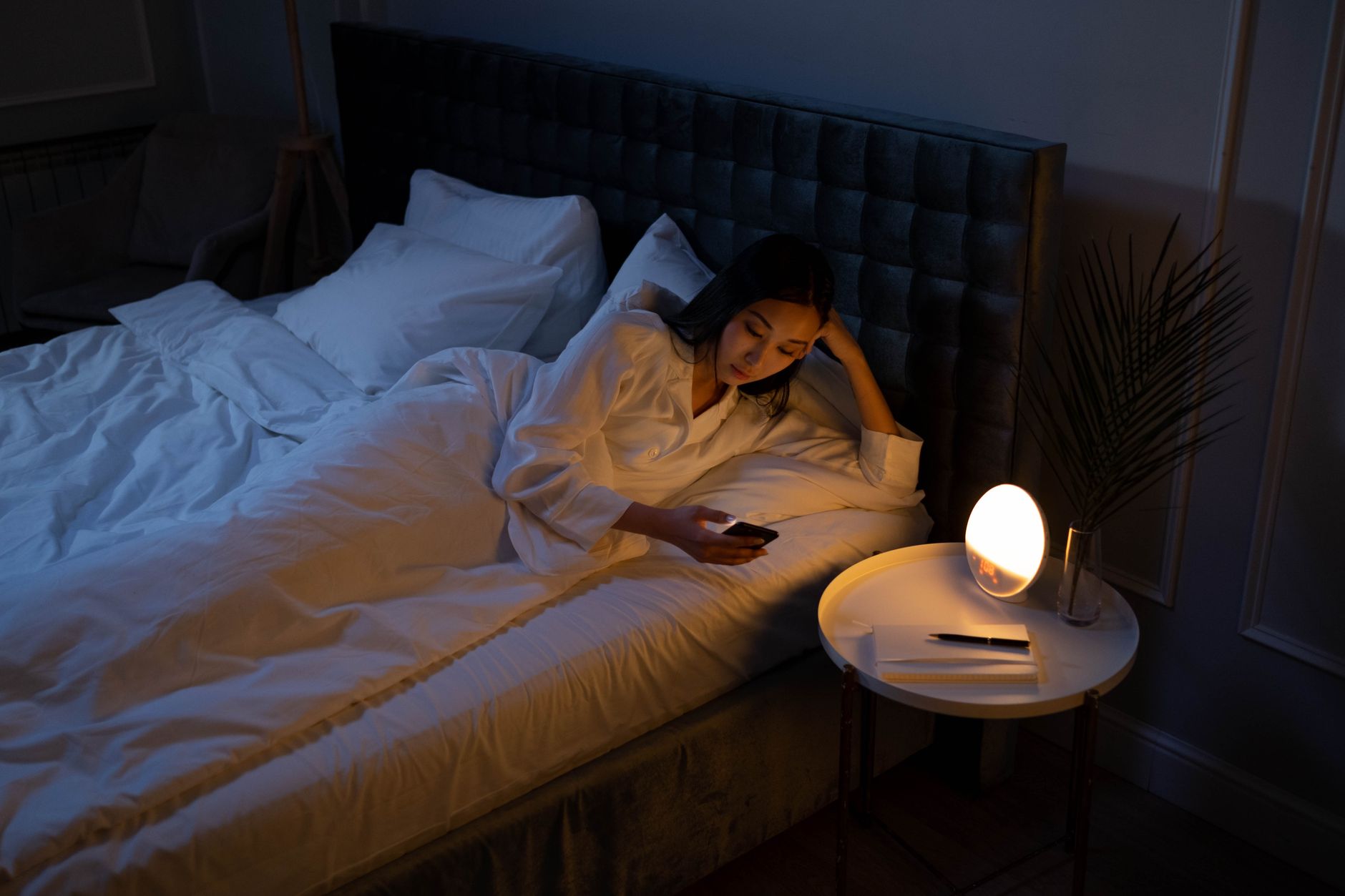
Every evening used to feel like a chaotic dash to bedtime. I'd find myself scrolling through my phone late into the night, unable to unwind properly. I decided it was time to experiment with different evening activities to find out what truly settled me down. The goal was to discover an evening routine that felt calming, helped me sleep better, and set a positive tone for the next day. Over several months, I tried out various sequences and finally landed on a combination that worked wonders for me. Here's how I pieced together my ideal evening routine, along with some insights on how you could do the same.
I started by identifying the activities I was already doing and questioning their effectiveness. Was checking emails right before bed serving me well? Spoiler: No, it wasn't. I learned the hard way that news alerts and work emails were not conducive to a restful night's sleep. Instead, I aimed to include activities that were both relaxing and rewarding.
The Reading Before Bed Experiment
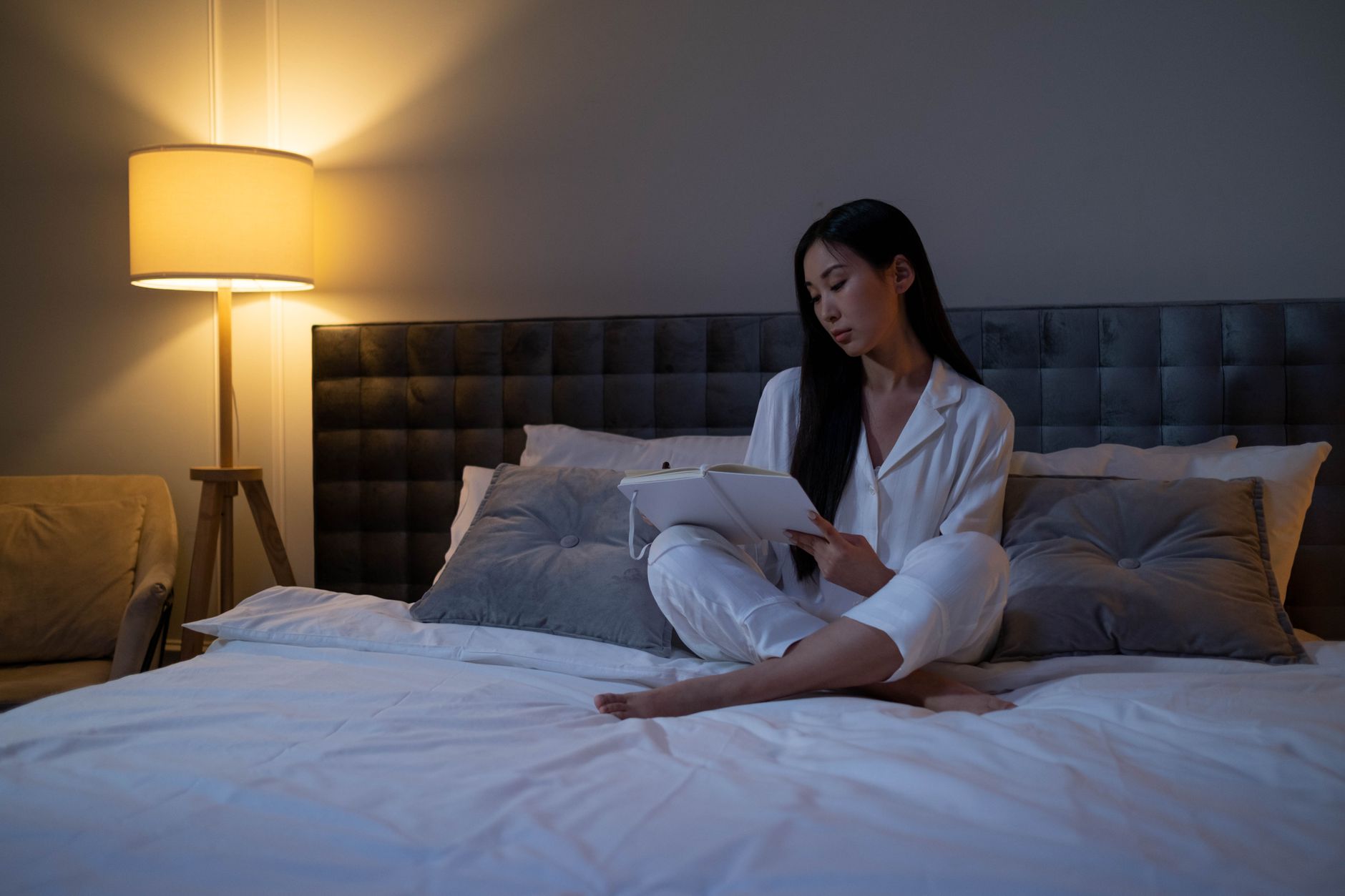
One of the first experiments I tried was incorporating reading into my nighttime routine. Initially, I set a goal to read for 30 minutes before bed. I realized quickly that timing was everything. The first few nights, I tried reading right after dinner, but I found myself too full and unfocused. I adjusted the timing and decided to read right before going to sleep. I picked a novel that was engaging but not too stimulating. To my surprise, this simple change made a significant difference.
After a week, I noticed I was falling asleep faster, often within 15 to 20 minutes, and waking up more refreshed. Reading turned out to be a fantastic way to signal my brain that it was time to wind down, but finding the right time was key. I also experimented with different genres—mystery novels kept me up, while light-hearted fiction or non-fiction worked best. This experience taught me to be mindful of content choice as much as timing.
Experimenting with Evening Tea Time
Another activity I tried was incorporating a cup of herbal tea into my evening. I started with chamomile tea, brewing it about an hour before I intended to sleep. At first, I didn't think much of this small addition, but by day three, I noticed a subtle difference. The act of preparing the tea, waiting for it to steep, and sipping it slowly became a meditative process.
Each step took about 10 minutes, and the effect on my mood was unexpectedly calming. I realized, however, that timing was crucial; drinking tea too late led to midnight bathroom trips, disrupting my sleep. I adjusted and found that drinking my tea around 8:30 PM was the sweet spot. I also tried peppermint tea and found it had a similar calming effect, though chamomile remained my favorite. The cost was minimal—about $5 for a pack of tea bags that lasted a month.
Comparing Different Evening Activities
To really understand what worked best for my evening routine, I compared several activities over a month. I tracked how each affected my sleep quality and overall relaxation. This comparison helped me zero in on what was truly beneficial.
| Activity | Relaxation Level | Impact on Sleep |
|---|---|---|
| Reading | High | Improved |
| Evening Walk | Moderate | Neutral |
| Watching TV | Low | Disrupted |
| Herbal Tea | High | Improved |
| Meditation | High | Improved |
Steps to Create Your Evening Routine
Creating your ideal evening routine may require some trial and error, but it's definitely worth it. Here's a step-by-step guide to help you get started:
- Start by listing the activities you currently do in the evening.
- Identify which ones help you relax and which don't.
- Experiment with one change at a time for at least a week.
- Consider the timing of each activity to maximize relaxation and sleep quality.
- Be mindful of screens—try to limit exposure at least an hour before bed.
- Reflect on how you feel in the morning after trying new routines.
- Adjust as necessary, and be patient. It might take a few trials to perfect your routine.
Common Questions About Evening Routines
Q: How long should an evening routine last?
I found that setting aside at least an hour for winding down works best for me. This allows time to relax without feeling rushed.
Q: Can exercise be part of a nighttime routine?
Yes, but it's important to choose low-intensity activities like yoga or stretching, as high-intensity workouts might disrupt sleep.
Q: Is it okay to watch TV before bed?
Watching TV can be relaxing for some, but the blue light from screens may affect sleep quality. If TV is a must, consider using blue light filters or glasses.
Q: What if I'm too busy for a long routine?
Even a 15-minute wind-down can be effective. Focus on quick activities that calm you, like deep breathing or a short meditation.
EditorialOur Take
Finding the right evening routine is a deeply personal journey. What works for one person might not work for another, but experimenting is the key. My experience taught me the importance of observing how each activity affects my mood and sleep. For those struggling to unwind at night, I recommend starting small—perhaps with a cup of tea or a few pages of a book—and slowly building from there. This approach is especially beneficial for anyone seeking a more peaceful transition to sleep, though it might not suit those who thrive on spontaneity in their evenings. It’s all about finding what aligns with your personal rhythm and lifestyle.
Published on .
Share now!

Noah Parker
Routines & Habits Writer
Noah Parker writes about daily routines and the small habits that keep a home running. He is naturally messy and has built his routines specifically for people who don't enjoy chores. Noah shares what keeps things calm on ordinary weekdays. Noah uses AI tools to research, draft, and help keep these articles accurate.
More from Noah →The information on this site is of a general nature only and is not intended to address the specific circumstances of any particular individual or entity. It is not intended or implied to be a substitute for professional advice.
Get our best tips in your inbox
A short, practical email now and then. No spam, and you can unsubscribe anytime.