Published on:
6 min read
By Noah Parker · Routines & Habits Writer
What’s the Best Way to Organize Your Weekly Meal Prep?
Finding the best meal prep strategy has been a journey of trial and error for me. I'll share what worked, what didn't, and how I finally found the balance that fits my lifestyle.
Setting the Scene: My Meal Prep Dilemma
A few months back, I decided it was time to tackle the chaotic mess that was my weekday dinners. I was tired of arriving home from work only to spend an hour figuring out what to cook. The allure of meal prep was undeniable – the promise of time saved and stress reduced. But as I soon found out, not all meal prep strategies are created equal. In this article, I'll walk you through what I tried, what failed spectacularly, and how I eventually landed on a routine that makes my life genuinely easier.
The motivation to start meal prepping was simple: I wanted to eat healthier and save time. However, each Sunday, as I stood in the kitchen surrounded by pots and pans, I realized that my initial strategy needed refinement. I wasn't just looking for any meal prep method; I wanted the one that wouldn't feel like a chore or turn into a weekly dread.
Through trial, error, and several rushed dinners that barely satisfied me, I started experimenting with different approaches. Each attempt taught me something new, not just about cooking but also about my lifestyle priorities. This personal journey has been enlightening, and I hope sharing my experiences will save you some time and frustration.
Testing the Batch Cooking Method
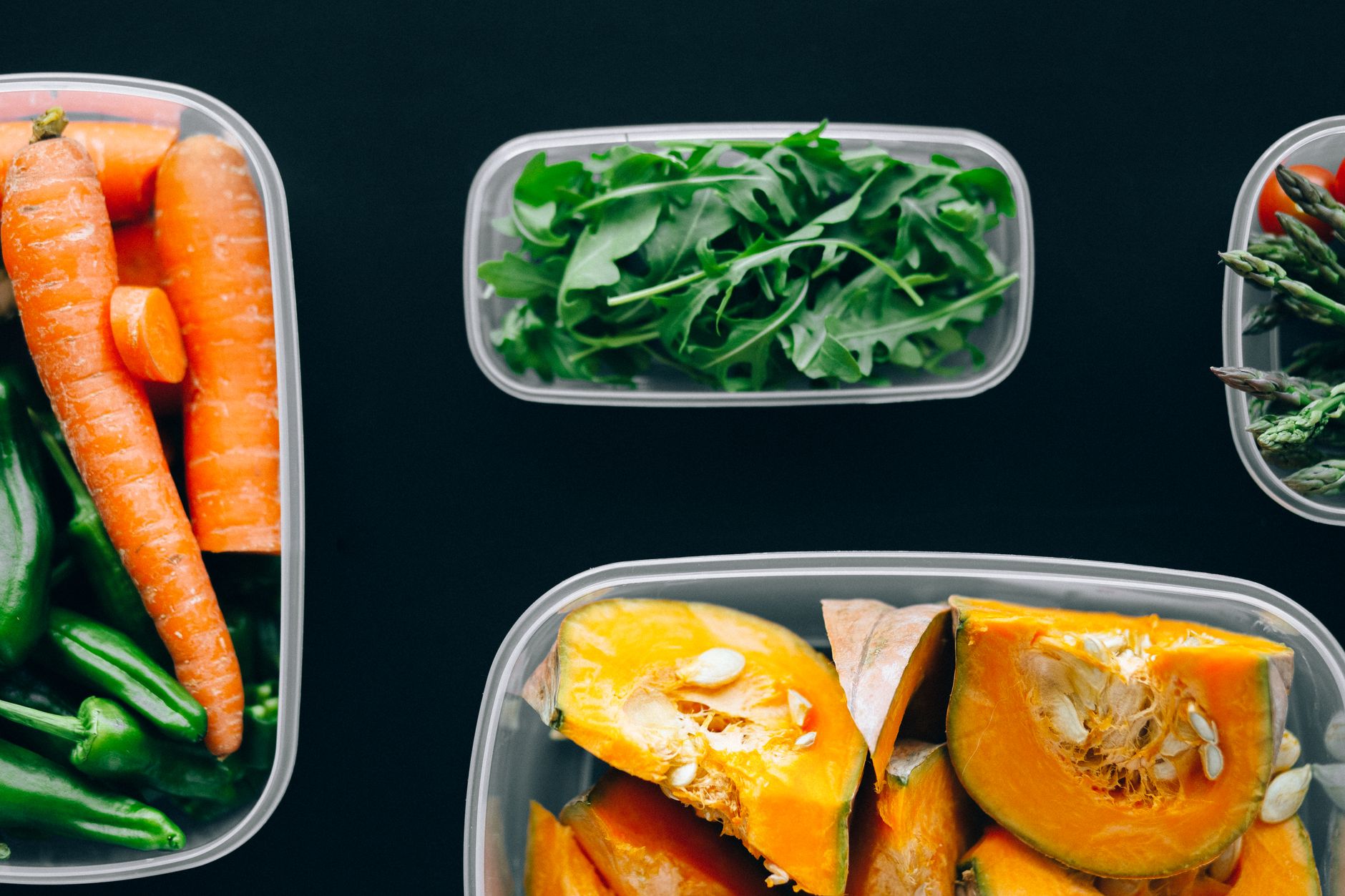
Batch cooking seemed like a natural first step. The idea was simple: cook large quantities of food at once, then portion them out for the week. I started with something basic – roasted vegetables and chicken. With a budget of around $40, I bought enough chicken breasts, bell peppers, zucchini, and sweet potatoes to last five days. The prep took about two hours on Sunday, including chopping and roasting. It felt efficient, but by Wednesday, the food was starting to lose its appeal. I found myself longing for variety. This method taught me that while batch cooking is efficient, it can become monotonous. Next time, I knew I needed to add more diversity to my meals.
The main issue with batch cooking was the sheer repetitiveness of eating the same thing daily. It felt like a never-ending cycle of leftovers. I attempted to remedy this by creating different sauces or adding a side salad, but it still lacked excitement. One memorable week involved a never-ending supply of turkey chili that, by Friday, I couldn't bear to look at. Clearly, this wasn't sustainable for me long-term.
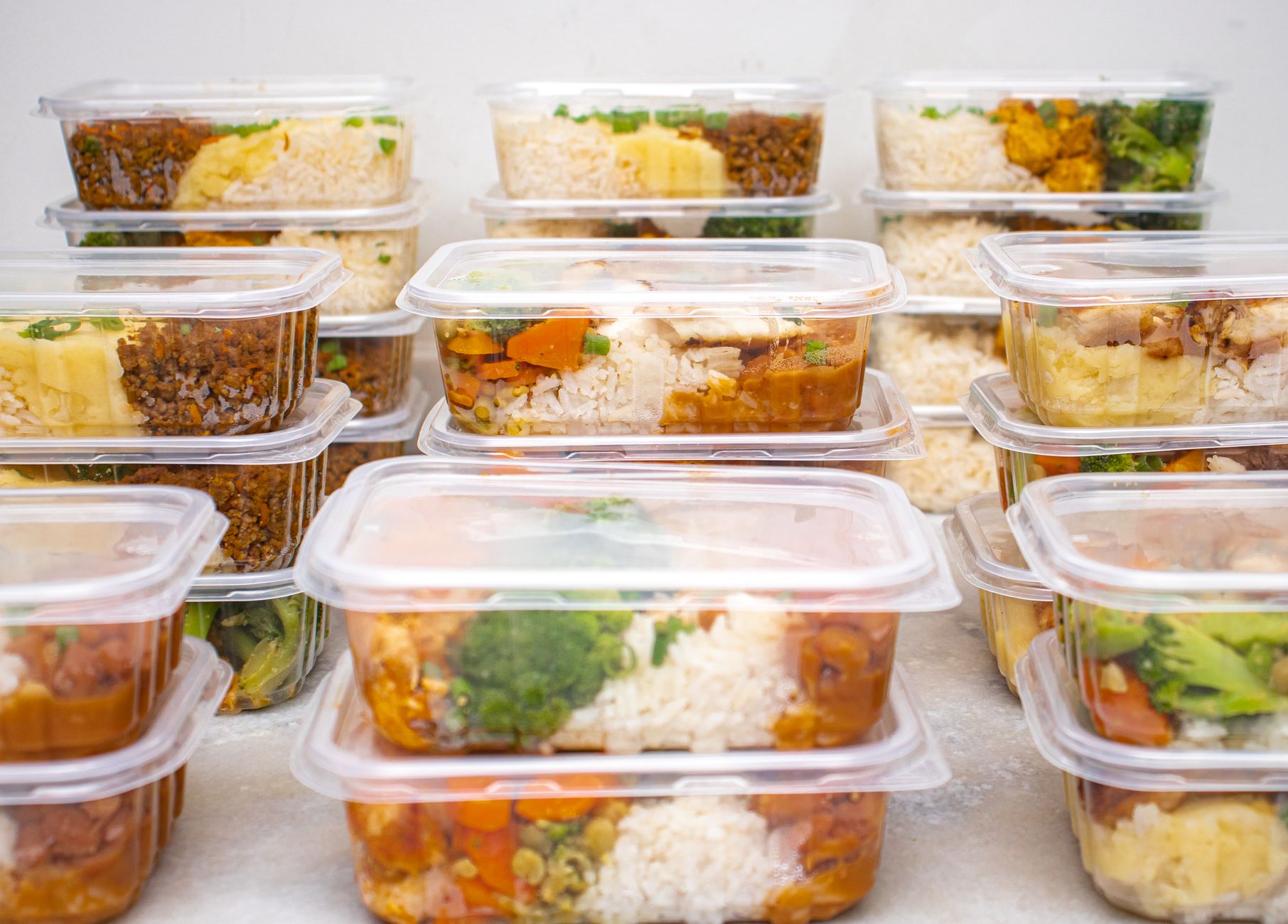
Exploring the Recipe Rotation Strategy
To combat the monotony of batch cooking, I tried a recipe rotation approach. I planned three different meals for the week, each made in double batches to cover two days. My go-to recipes included a vegetable stir-fry, quinoa salad, and pasta primavera. This method was slightly more expensive, around $60 for the week, due to the variety of ingredients needed. I dedicated three hours on Sunday to cooking. This approach was a much better fit for my palate, but it did require more up-front effort. I also learned to label each container with the date to ensure nothing went to waste.
Rotating recipes kept things exciting, but it also meant I was spending more time in the kitchen than I had planned. The flavors were more vibrant, and the meals felt fresh each day, but the preparation time on Sundays was a bit overwhelming. I remember one particularly hectic weekend when I had to skip a social event to finish meal prepping. This realization pushed me to further refine the process to better suit my lifestyle.
Comparison of Weekly Meal Prep Strategies
To help you decide which meal prep strategy might suit your lifestyle, here's a comparison based on my experience. Each method has its pros and cons, and understanding them can guide you in making an informed choice.
Batch cooking is incredibly efficient for those who can eat the same meal multiple days in a row without getting bored. It's cost-effective and great for beginners. Recipe rotation, on the other hand, offers variety but requires more time and planning. It can also be more expensive due to the diverse ingredients needed.
I also experimented briefly with daily mini-preps, where I prepared each evening's meal the night before. While this provided ultimate freshness and spontaneity, it didn't save much time during the busy workweek.
| Method | Time Spent | Cost |
|---|---|---|
| Batch Cooking | 2 hours | $40 |
| Recipe Rotation | 3 hours | $60 |
| Daily Mini-Preps | 1 hour per day | Varies |
Practical Tips for Effective Meal Prepping
Here's what I've learned to keep meal prepping manageable and effective:
- Start with a small number of dishes that you know you'll enjoy.
- Invest in quality storage containers to keep food fresh longer.
- Label everything with the date it was prepared to avoid waste.
- Set aside a specific time each week dedicated to meal prep.
- Be flexible; adjust recipes based on what's in season or on sale.
- Use a shopping list to avoid impulse purchases and stick to your budget.
- Incorporate at least one meal that can be easily repurposed into different dishes (e.g., grilled chicken for salads, sandwiches, or wraps).
Q&A: Your Meal Prep Questions Answered
Q: How do you keep meals from getting boring?
I rotate recipes and try to incorporate different cuisines each week. Adding new spices or sauces can make a big difference.
Q: What if I have a small kitchen?
Focus on one-dish meals that can be easily scaled. Prep in stages if counter space is limited.
Q: How can I ensure I’m eating balanced meals?
Plan meals around a protein, a vegetable, and a grain. This basic structure helps maintain variety and balance.
Q: What if I don't have time every Sunday?
Consider splitting your prep over two days, like Sunday and Wednesday, to keep things fresh without a huge time commitment.
Q: Is it possible to meal prep on a tight budget?
Absolutely! Start by choosing recipes that use affordable staples like beans, rice, and seasonal vegetables. Buying in bulk and planning meals around sales can also help.
EditorialOur Take
Meal prepping has been a game-changer in my quest for a more organized and stress-free week. While it's not a one-size-fits-all solution, experimenting with different methods helped me find what works best for my lifestyle. For those with busy schedules who crave variety, a mix of batch cooking and recipe rotation might be ideal. However, those who prefer spontaneity might enjoy the flexibility of daily mini-preps. Ultimately, the best strategy is one that you can maintain consistently and adapt as your tastes and needs change.
Through this journey, I've learned that preparation is key, but so is flexibility. Life can be unpredictable, and it's crucial to have a meal prep plan that accommodates unexpected changes while still delivering the benefits of time savings and reduced stress. For anyone starting their meal prep adventure, my advice is to start small, stay patient, and be open to modifying your approach as you discover what truly fits your lifestyle.
Published on .
Share now!

Noah Parker
Routines & Habits Writer
Noah Parker writes about daily routines and the small habits that keep a home running. He is naturally messy and has built his routines specifically for people who don't enjoy chores. Noah shares what keeps things calm on ordinary weekdays. Noah uses AI tools to research, draft, and help keep these articles accurate.
More from Noah →The information on this site is of a general nature only and is not intended to address the specific circumstances of any particular individual or entity. It is not intended or implied to be a substitute for professional advice.
Get our best tips in your inbox
A short, practical email now and then. No spam, and you can unsubscribe anytime.