Published on:
5 min read
By Lily Morgan · Home Decor Contributor
What Makes a Kitchen Feel Inviting and Functional?
Transforming my kitchen taught me how crucial layout and decor are to creating a space that's both welcoming and practical. Through trial and error, I discovered simple changes that made a big difference.
The Journey to an Inviting and Functional Kitchen
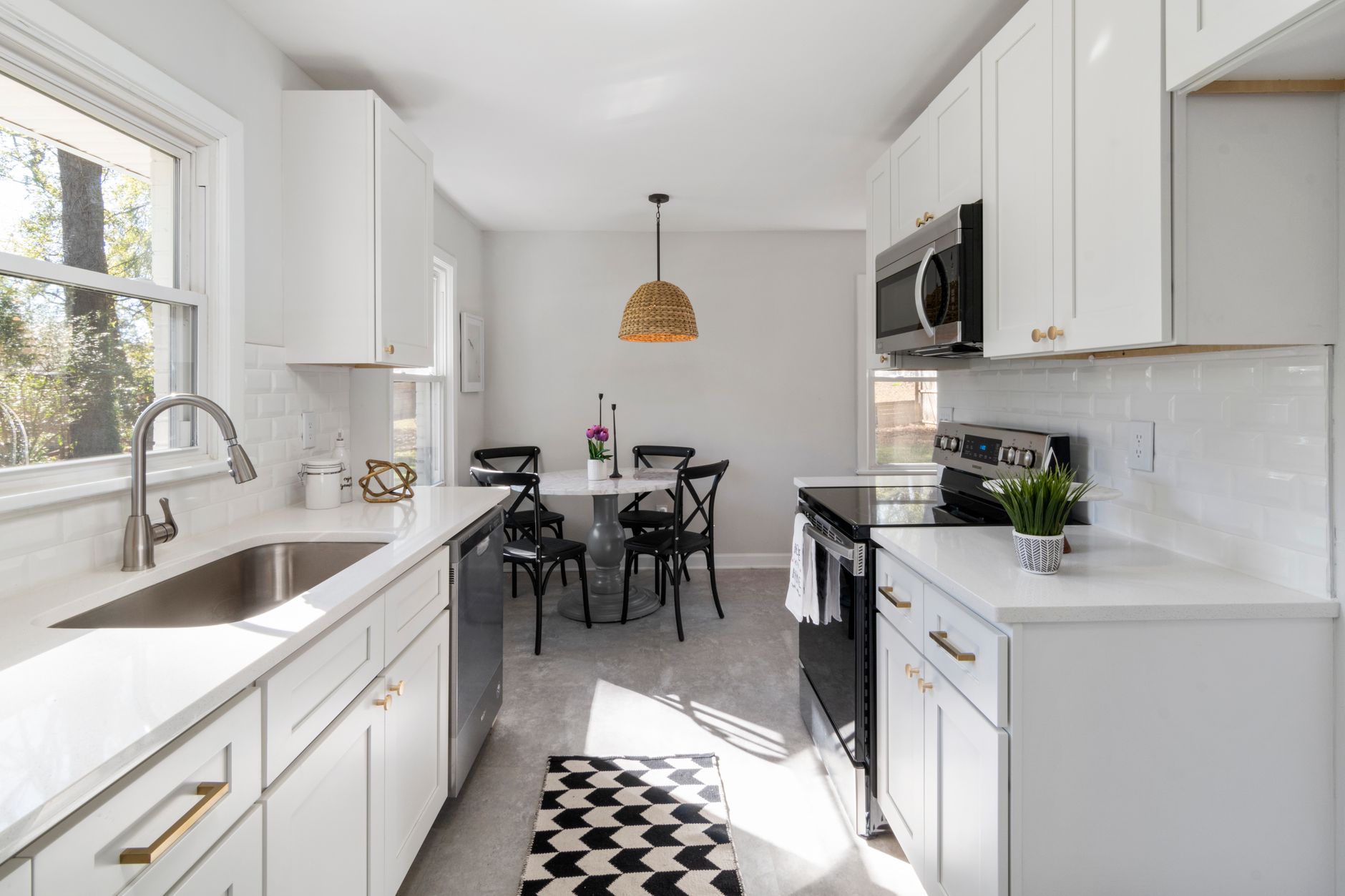
When I first moved into my house, the kitchen was far from inviting. Dim lighting, cluttered countertops, and poorly placed appliances made cooking a chore rather than a joy. I longed for a space where I could enjoy making meals and entertaining guests. Over time, I discovered that the key to an inviting kitchen lies in both its layout and decor. By sharing my kitchen transformation journey, I hope to provide you with practical insights to create a space that's both functional and welcoming. Creating this new environment wasn't just about aesthetics; it was about creating a flow and a vibe that matched my lifestyle. The process involved both strategic planning and some unexpected discoveries along the way.
Reimagining the Kitchen Layout: A Game Changer
My kitchen's layout was initially awkward, with the refrigerator on one side and the stove on the other. This made cooking inefficient as I was constantly running back and forth. I decided to invest in a modest renovation budget of approximately $3,000 to reconfigure the layout. Moving the refrigerator next to the stove and adding a center island not only saved steps but also created a natural gathering spot. The island cost around $900, but it was worth it for the added prep space and storage. This change alone made the kitchen feel twice as functional.
I also decided to swap the positions of the sink and dishwasher, which cost another $800, to create a more ergonomic workflow. This arrangement allowed me to rinse, load, and store dishes without unnecessary movement. It was fascinating to see how such changes could cut down meal prep time significantly. Before, it took about 45 minutes to prepare dinner; now, it's down to 30 minutes. This was a game-changer, especially on busy weeknights.
Lighting was another layout aspect I addressed. I replaced the single overhead lighting with under-cabinet LEDs and pendant lights over the island, costing about $400. This not only brightened the space but also made each task station well-lit, enhancing both safety and mood. My kitchen went from feeling like a dimly lit hallway to a bright, welcoming area where I wanted to spend time.
The Role of Decor in Functionality
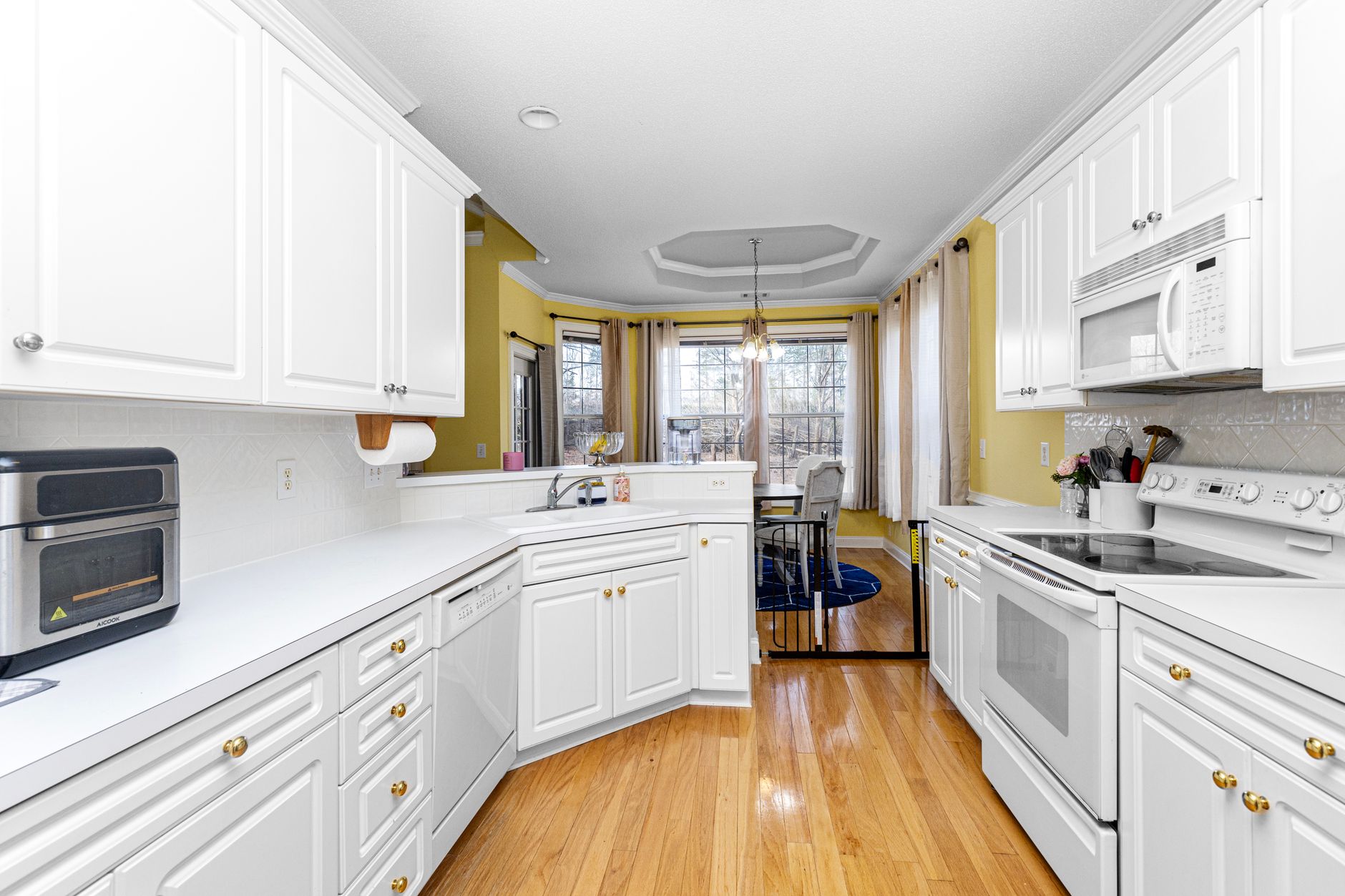
Decor might seem purely aesthetic, but it plays a significant role in functionality. I swapped out the heavy curtains for light, sheer ones that let in natural light, instantly brightening the space. For about $150, I added open shelving to display colorful dishes and glasses, which not only added personality but also made accessing everyday items a breeze. I learned to keep decor minimal yet meaningful, keeping countertops clear except for a few essential items like a cutting board and a small fruit bowl.
I also experimented with backsplash options. Originally, I had a dated floral tile that did little for the room's overall appeal. Replacing it with a simple white subway tile, which cost $350, made cleaning spills much easier and gave the kitchen a crisp, clean look. This was a lesson in how functionality and aesthetics can align perfectly.
The final touch was incorporating plants. I placed small herb pots on the windowsill and a hanging plant from the ceiling corner. These cost me around $60 but provided a sense of freshness and vitality to the space. Every time I cook with fresh basil or cilantro, it reminds me how small decor details can contribute to the kitchen's inviting atmosphere.
Comparing Before and After: Functionality and Cost
To understand the impact of my kitchen changes, I compared the old and new setup based on time efficiency, cost, and overall satisfaction. These metrics helped me truly appreciate the transformation beyond just visual appeal.
| Aspect | Before Change | After Change |
|---|---|---|
| Time Efficiency | 45 mins to prep meal | 30 mins to prep meal |
| Renovation Cost | $0 | $3,000 |
| Overall Satisfaction | 3/10 | 8/10 |
Simple Steps to Transform Your Kitchen
- Start by assessing your current layout and identify high-traffic areas.
- Consider moving or adding elements like an island to improve functionality.
- Opt for open shelving to combine decor with practical storage.
- Improve lighting by replacing heavy curtains with sheer options.
- Keep your color palette consistent to avoid visual clutter.
- Invest in multi-purpose tools and minimize countertop gadgets.
- Introduce natural elements like plants to add warmth and life.
- Regularly declutter and reorganize to maintain a tidy, spacious feel.
Kitchen Transformation FAQs
Q: How much does a kitchen renovation typically cost?
A: Costs vary widely, but small updates can begin at around $1,000, while major renovations can easily exceed $20,000.
Q: What are the most impactful changes for a small kitchen?
A: Focus on maximizing vertical space with shelves, using light colors, and minimizing unnecessary items to open up the area.
Q: How can I make a kitchen feel more inviting on a budget?
A: Use paint to brighten the walls, add a few plants, and strategically place a few decorative pieces to add warmth without overspending.
Q: Is an island necessary in a kitchen?
A: While not essential, an island can significantly enhance both prep space and storage, especially in larger kitchens.
EditorialOur Take
Transforming my kitchen into an inviting and functional space was a journey of trial and error. The importance of layout and decor cannot be understated. For anyone looking to enjoy their cooking space more, focusing on these aspects is crucial. While not every change needs to be expensive, thoughtful investments can lead to a kitchen that truly feels like the heart of the home. If you're someone who loves to entertain or simply enjoys a cozy space to cook, these changes are definitely worth considering. However, those with limited space should prioritize multifunctional solutions and consider their personal workflow to ensure each modification adds true value.
Published on .
Share now!

Lily Morgan
Home Decor Contributor
Lily Morgan covers home decor for Annyblog with a budget-friendly, renter-aware eye. She loves small changes that make a space feel intentional without a renovation. Lily writes about decorating you can actually undo when the lease ends. Lily uses AI tools to research, draft, and help keep these articles accurate.
More from Lily →The information on this site is of a general nature only and is not intended to address the specific circumstances of any particular individual or entity. It is not intended or implied to be a substitute for professional advice.
Get our best tips in your inbox
A short, practical email now and then. No spam, and you can unsubscribe anytime.