Published on:
4 min read
By Lily Morgan · Home Decor Contributor
Explaining the Role of Texture in Creating a Cozy Home
After attempting various fabric and texture combinations, I realized how significantly they enhance the warmth of a room. Let me walk you through my journey of transforming spaces with texture.
The Initial Experiment with Textures
It all started when I found myself in a living room that felt more like a waiting room than a sanctuary. I was determined to fix this by turning my space into the cozy nest I longed for. After some research and a few visits to fabric stores, I began experimenting with textures, hoping to add warmth without changing the entire decor. This article shares my journey of discovering the role of texture in home decor and how it can transform a room's ambiance. By the end, you'll see how textures can be the easiest way to refresh your home.
From Cold to Cozy: My Living Room Transformation
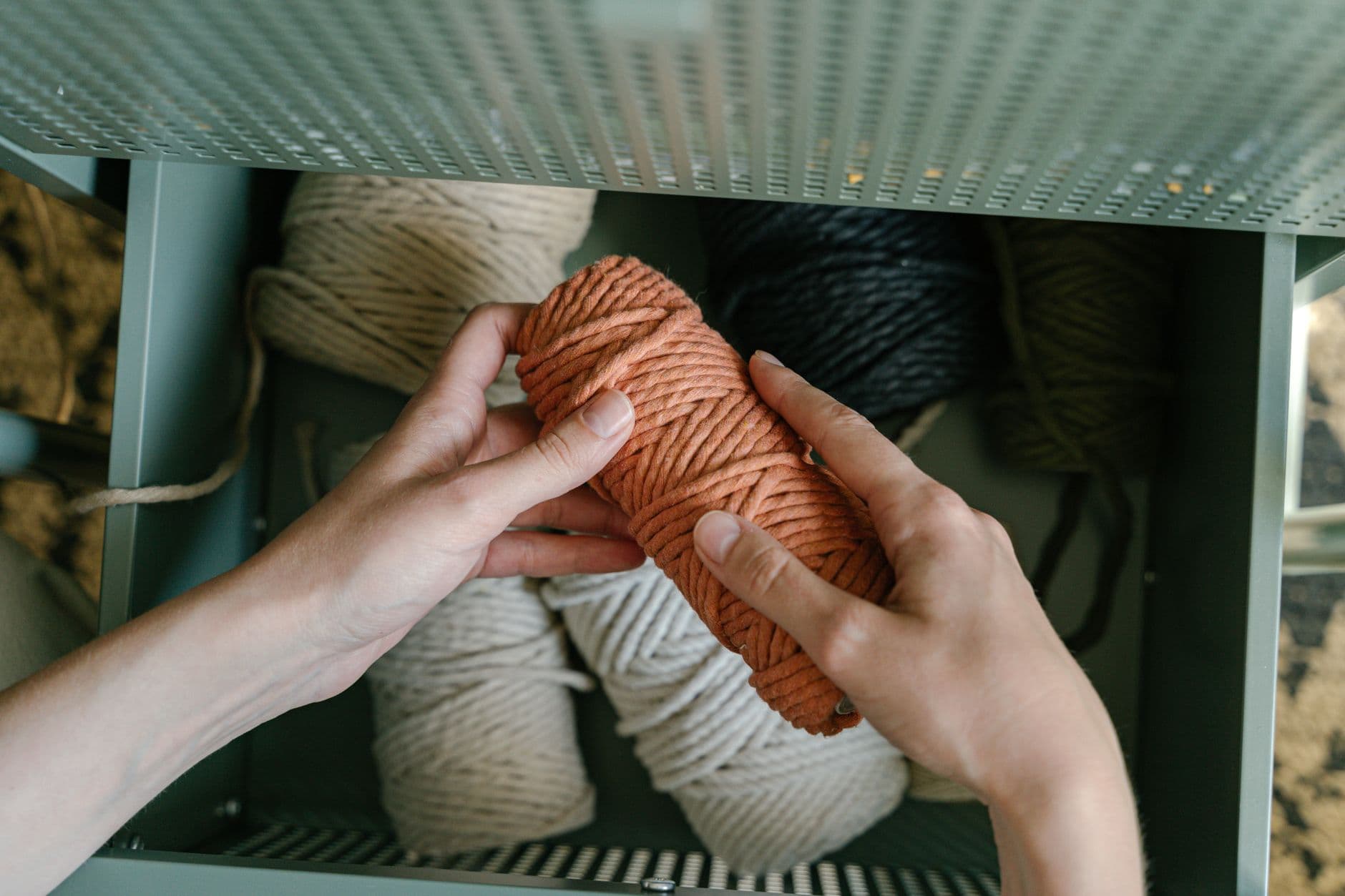
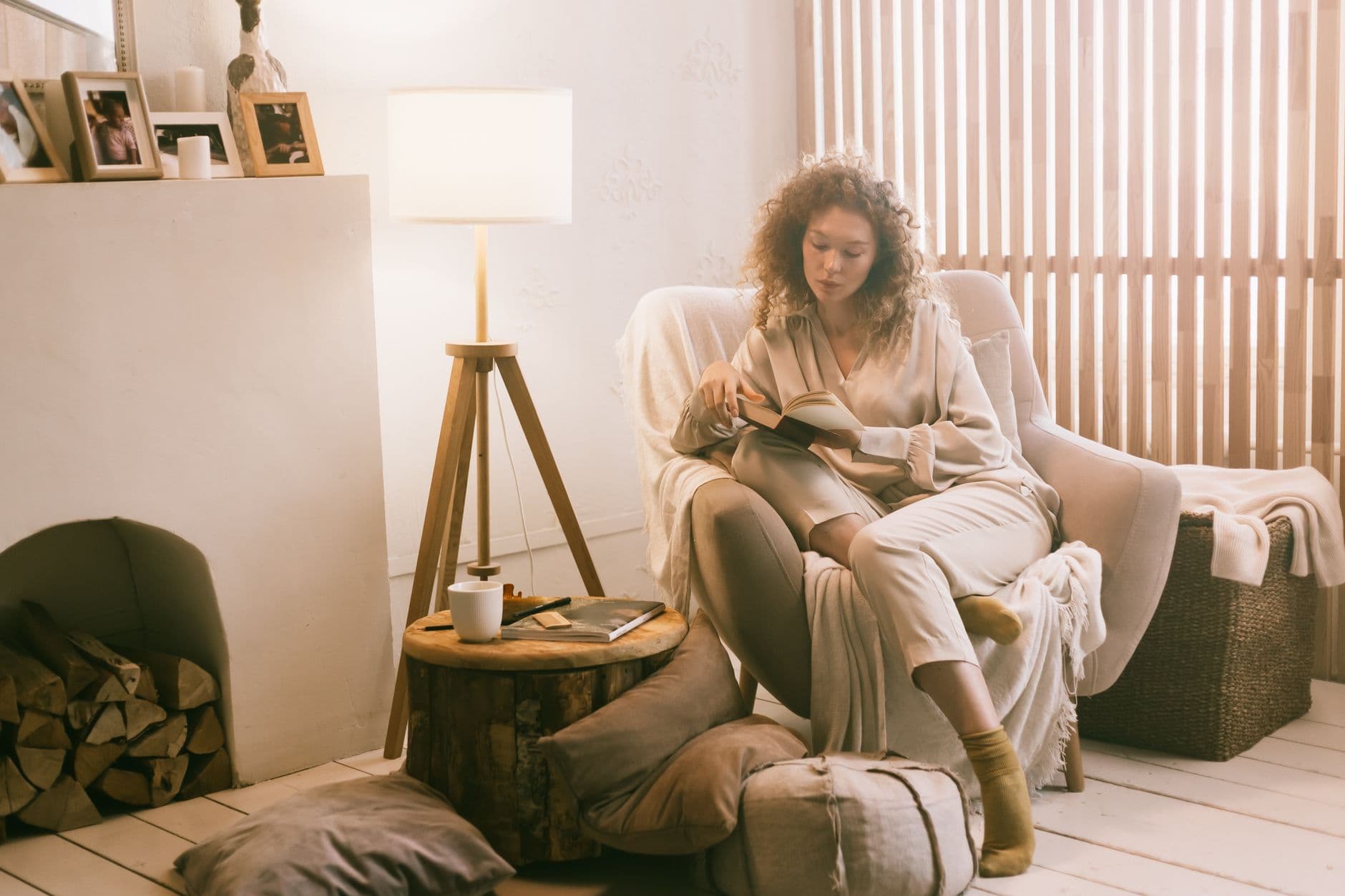
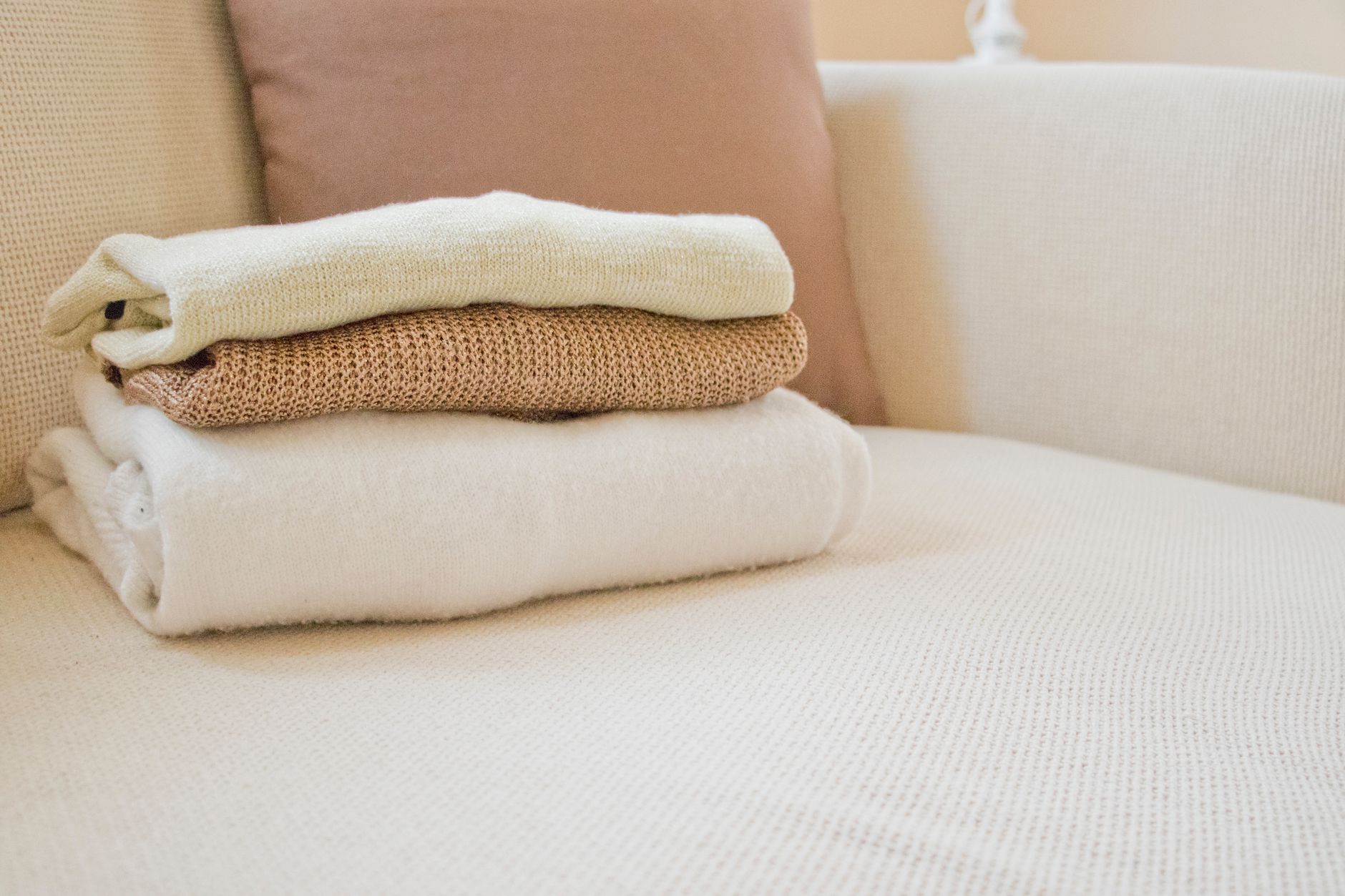
My first attempt involved adding a chunky knit blanket to the sofa. This single addition made a noticeable difference, both visually and tactilely. The blanket cost about $60 and took me an afternoon to find. I paired it with velvet throw pillows in contrasting colors, adding depth and dimension to the couch. The tactile contrast was a revelation; it encouraged people to sit and get comfortable. Initially, I was worried about the colors clashing, but the varying textures tied them together beautifully.
I also experimented with adding a plush area rug. Though it set me back $120, the effect was transformative. It absorbed sound and made the entire room feel more intimate, especially on cold winter evenings. The combination of the soft underfoot sensation and the visual warmth it added was exactly what the room needed. This setup became the heart of family gatherings, where everyone could relax and unwind. I made sure to choose a rug that was easy to clean, as practicality is just as important as aesthetics.
How Texture Mixes Changed My Bedroom
My next focus was the bedroom. I replaced my plain cotton duvet cover with a linen one, which cost around $100. Linen added a subtle texture that made the bed look inviting. I added a wool throw at the end of the bed, which served as both an aesthetic element and a practical way to keep warm during cooler nights. I learned that the layering of different textures can achieve a similar effect to layering colors, providing depth and interest without overwhelming the senses.
For a minimal expense and about two hours of arranging, the transformation was remarkable. I also added a rattan basket to hold extra pillows and throws, introducing a natural element. The way the natural fibers complemented the fabric textures created a balanced and serene environment, perfect for unwinding at the end of the day. It was a far cry from the stark, uninviting setup I started with. Adding textured lampshades further enhanced the ambiance, giving off a warm, diffused light.
Comparing Textures: Which Worked Best?
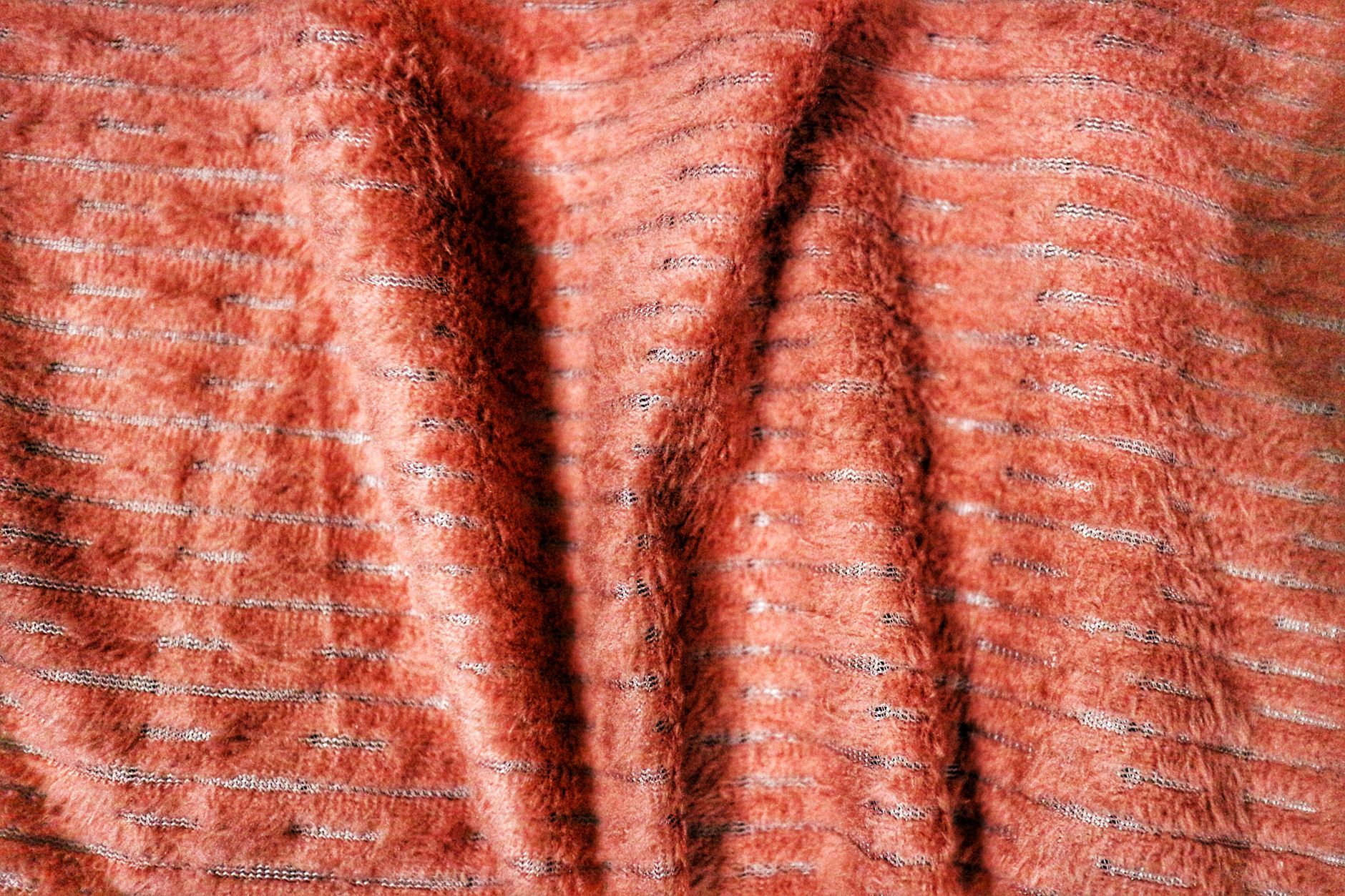
Not all textures are created equal, so I decided to compare their impacts side by side. Here's what I found about different fabric textures. The differences in tactile experience and visual appeal were striking, and some textures were more functional than others. The following table illustrates how each texture contributed to the overall ambiance of my home.
| Texture | Visual Impact | Tactile Feel |
|---|---|---|
| Velvet | Rich and Luxurious | Soft and Plush |
| Linen | Casual Elegance | Crisp and Cool |
| Wool | Warm and Inviting | Cozy and Rough |
Practical Tips for Adding Texture
Adding texture to your home doesn't have to be daunting. Here are some steps to get you started:
- Begin with small items like cushions or throws to test how different textures work in your space.
- Mix textures in a single area to create depth, such as pairing a leather chair with a wool throw.
- Use textured wall art or rugs to add dimension without cluttering surfaces.
- Try high-contrast combinations, like silk and velvet, to see unique effects.
- Visit fabric stores to physically feel textures; sometimes what looks good in a photo doesn't translate in real life.
- Don't forget about textured lighting fixtures. Materials like woven rattan or brushed metals can add subtle texture and warmth.
- Incorporate natural elements, such as plants or wood, to balance the textures and add a touch of nature.
Texture FAQs
Q: How do I choose the right texture for my space?
Consider the room's function and the atmosphere you want to create. For relaxation areas, opt for softer, more inviting textures like wool or velvet.
Q: Can mixing too many textures make a room feel chaotic?
It's possible. Aim for a balanced mix of 3-4 textures to ensure harmony without visual overwhelm.
Q: Are there any textures to avoid in a cozy home?
Avoid textures that feel cold or harsh, like glass or metal, unless balanced with warmer elements.
Q: What's a budget-friendly way to add texture?
Look for textured items at thrift stores or DIY options like painting old furniture with textured paint. Consider using materials you already have, like layering different blankets or rearranging existing decor to highlight different textures.
EditorialOur Take
In my experience, introducing texture is a hassle-free and cost-effective way to warm up a space. It's perfect for anyone looking to refresh their home without undertaking major renovations. However, if you're sensitive to clutter, it's important to choose textures that complement each other to avoid a chaotic look. Ultimately, texture is about balance and comfort, making it ideal for those who want to feel enveloped by their surroundings. If you're not ready to commit to big changes, start with small, textured accessories and observe the transformation. Once you see how much texture can change a space, you might find yourself eager to explore more. Remember, the goal is to create a comforting environment where every element invites you to relax.
Published on .
Share now!

Lily Morgan
Home Decor Contributor
Lily Morgan covers home decor for Annyblog with a budget-friendly, renter-aware eye. She loves small changes that make a space feel intentional without a renovation. Lily writes about decorating you can actually undo when the lease ends. Lily uses AI tools to research, draft, and help keep these articles accurate.
More from Lily →The information on this site is of a general nature only and is not intended to address the specific circumstances of any particular individual or entity. It is not intended or implied to be a substitute for professional advice.
Get our best tips in your inbox
A short, practical email now and then. No spam, and you can unsubscribe anytime.