Published on:
6 min read
By Noah Parker · Routines & Habits Writer
How to Incorporate Mindfulness into Your Daily Routine
Adding mindfulness practices to my daily life has significantly reduced my stress levels. Here's how I did it and the details you need to try it yourself.

The Start of My Mindfulness Journey
A few years ago, I found myself overwhelmed by the daily grind. Between a demanding job and the endless cycle of chores at home, stress was my constant companion. I decided that something had to change, and after some reflection, I realized that incorporating mindfulness into my daily routine might be the key. This article shares the practical ways I integrated mindfulness into my life, leading to a calmer, more organized existence. If you're looking to reduce stress and find more peace in your day-to-day, this could be your guide.
Initially, I was skeptical. How could a few minutes of sitting still or breathing deeply make any difference in my hectic life? But I was willing to give it a shot. I started small, aiming for just a few minutes each day. Over time, as I integrated mindfulness practices into my routine, I began to notice subtle changes in my stress levels and overall well-being. This was not just about stress reduction; it was about finding a deeper connection to my surroundings and myself.
My Morning Ritual: Starting the Day with Mindfulness
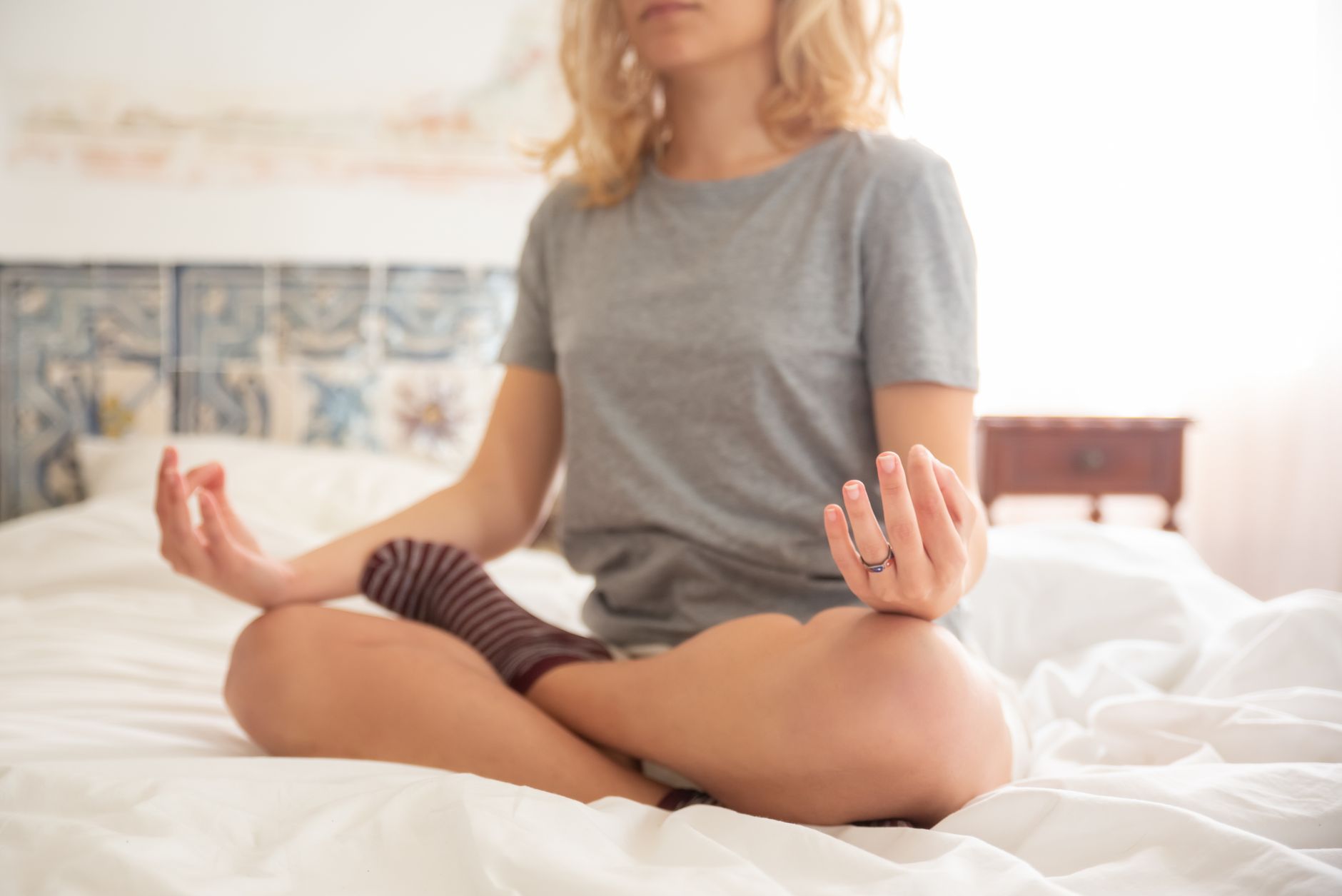
The first concrete step I took was transforming my chaotic mornings into a mindful ritual. I set my alarm 15 minutes earlier to start the day with a short meditation. I sit on a cushion in a quiet corner, close my eyes, and focus on my breathing. I tried using a simple timer app, which cost me nothing, to time 10 minutes of sitting still and observing my breath. Initially, it was challenging as my thoughts would wander, but with persistence, it became a part of my routine. This small change set a peaceful tone for the rest of my day.
To enhance this practice, I added a gentle stretching routine for about 5 minutes. This helped me to wake up my body and connect more deeply with the physical sensations of stretching, which complemented the mental focus of meditation. Over time, this morning ritual became something I looked forward to—a quiet sanctuary before the busyness of the day began.
On mornings when I felt particularly stressed, I noticed that even an additional five minutes of this practice could significantly alter my mood. The act of dedicating time to myself before jumping into the day's responsibilities was empowering. It reminded me that I had control over how I reacted to the day's challenges, even if I couldn't control the challenges themselves.
Mindful Moments During Work: A Short List of Practices
Incorporating mindfulness into my workday was a game-changer. Here are three practices I embraced:
- Mindful Walking: I take a 5-minute walk around my office every couple of hours, focusing solely on the sensation of walking. This not only provided a mental break but also encouraged physical activity.
- Breathing Break: Before meetings, I take deep breaths for one minute, which helps center my mind. This practice improved my focus and reduced pre-meeting anxiety.
- Mindful Listening: During conversations, I focus entirely on the speaker, which has improved my communication skills dramatically. I found that being fully present in conversations made them more effective and enjoyable.
Comparison of Mindfulness Techniques
I tried several mindfulness techniques before settling on the ones that worked best for me. Here's a comparison of three techniques based on my experience. Each technique offers a unique approach to mindfulness and serves different needs depending on the time available and personal preference.
| Technique | Time Required | Ease of Practice |
|---|---|---|
| Meditation | 10 minutes daily | Moderate |
| Mindful Walking | 5 minutes every 2 hours | Easy |
| Journaling | 15 minutes in the evening | Challenging |
Practical Tips for Incorporating Mindfulness
Here’s a step-by-step approach that I would recommend for anyone looking to incorporate mindfulness into their daily routine:
- Start Small: Begin with just a few minutes of mindfulness practice each day and gradually increase over time. Consistency is key, so even a small daily practice can be beneficial.
- Consistency Over Duration: Aim for regularity rather than longer sessions. Everyday practice builds the habit and makes it a natural part of your routine.
- Find Your Space: Designate a specific spot in your home for mindfulness practices, free from distractions. This can be a corner of a room with a mat or a chair, creating a physical reminder of your commitment.
- Use Tools Wisely: Apps like Headspace or simple timers can help keep you on track. They offer guided sessions that can be particularly helpful for beginners.
- Reflect and Adjust: Regularly assess how each practice affects your stress levels and adjust as needed. It's important to find what works best for you and be open to trying new techniques as your needs change.
Q&A: Common Concerns About Mindfulness
Q: How long should I meditate each day to start?
I recommend starting with just 5-10 minutes and gradually increasing as you feel more comfortable. It's more about making it a regular habit than achieving a specific duration.
Q: I can't seem to focus during meditation. Is that normal?
Absolutely. It's entirely normal for your mind to wander. Simply acknowledge the thought and gently return to your breath. With time, your focus will improve.
Q: What if I miss a day?
Don't worry about perfection. What's important is returning to the practice as soon as you can without self-judgment. It's about progress, not perfection.
Q: Can mindfulness help if I'm not stressed?
Yes, mindfulness can enhance your overall well-being and increase your capacity for joy and gratitude in daily life. It can also improve focus and empathy, even if stress isn't a major concern for you.
EditorialOur Take
Integrating mindfulness into my daily routine has been transformative. It's not just about reducing stress; it's about cultivating a deeper awareness and appreciation for each moment. While not every technique works for everyone, experimenting with different practices can help you find what resonates. For those seeking a more peaceful and organized life, mindfulness offers a pathway. However, it requires patience and consistency, which may not suit someone looking for instant results.
From my experience, mindfulness is less about achieving a zen-like state and more about being present, noticing the small details, and accepting them without judgment. For me, the journey into mindfulness is ongoing, and it continues to evolve as I discover more about what helps me stay balanced and connected. If you're open to change and willing to dedicate time, mindfulness can be a gentle, yet powerful tool in your personal growth toolkit.
Published on .
Share now!

Noah Parker
Routines & Habits Writer
Noah Parker writes about daily routines and the small habits that keep a home running. He is naturally messy and has built his routines specifically for people who don't enjoy chores. Noah shares what keeps things calm on ordinary weekdays. Noah uses AI tools to research, draft, and help keep these articles accurate.
More from Noah →The information on this site is of a general nature only and is not intended to address the specific circumstances of any particular individual or entity. It is not intended or implied to be a substitute for professional advice.
Get our best tips in your inbox
A short, practical email now and then. No spam, and you can unsubscribe anytime.