Published on:
5 min read
By Grace Mitchell · Home Organization Editor
How to Create a Functional Entryway
Turning my cluttered entryway into an organized haven has significantly eased my morning rush. Here's how I did it, with practical steps and real-life insights.
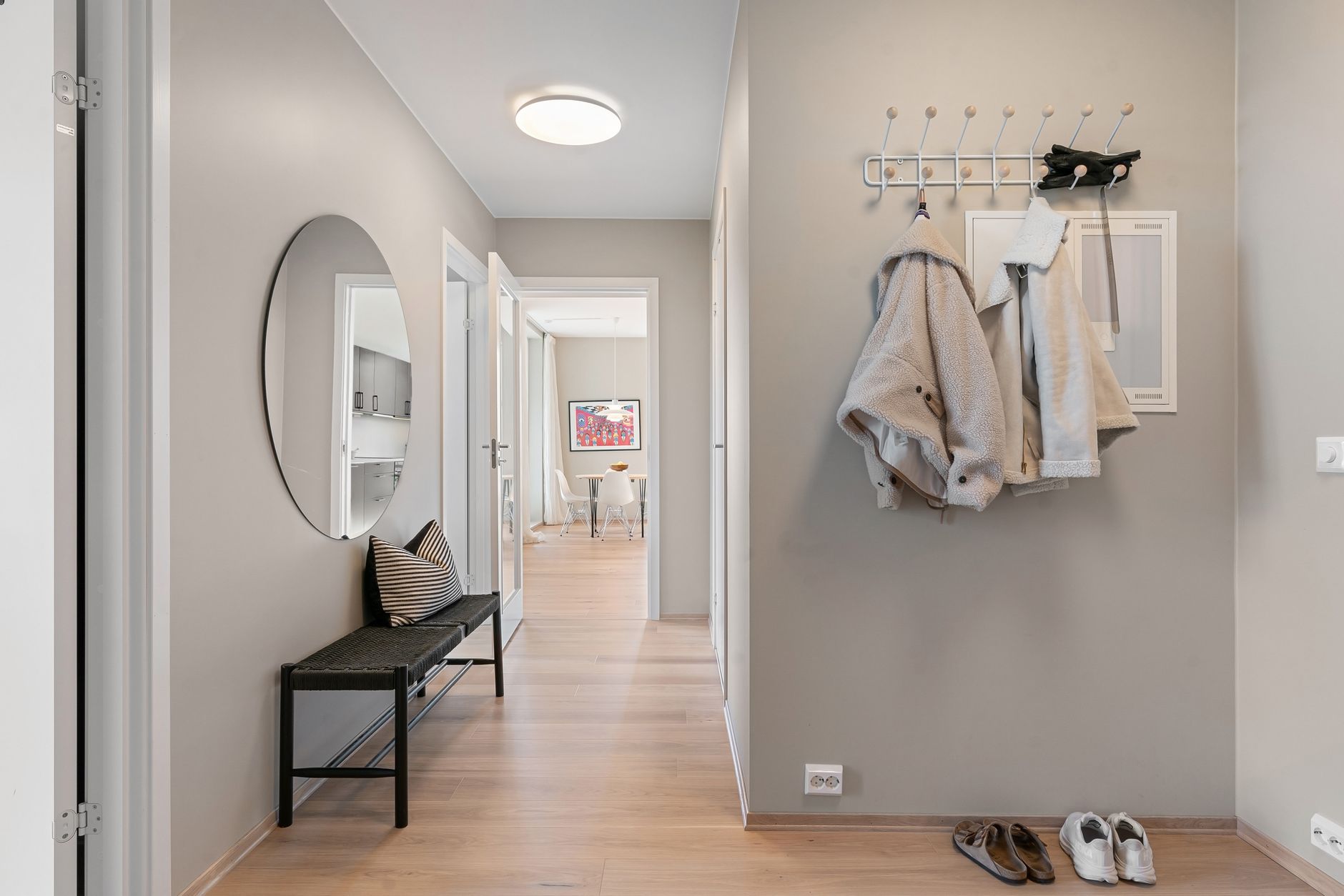
Why I Needed a Functional Entryway
For years, my mornings were a chaotic scramble to find keys, shoes, and bags. My entryway, intended to be a space of transition, was more of a dumping ground. After one too many days of frantically searching for my son's left shoe, I decided it was time to revamp this space. I wanted the entryway to be a welcoming area that reflected our home, yet I needed it to be intensely practical. This article will walk you through my journey to transforming my entryway into a welcoming and practical part of my home, offering concrete steps and insights on what worked and what didn’t. I aimed to create a space that not only looked good but served its purpose of making our daily departures smoother and more pleasant.
The Entryway Overhaul: A Concrete Example
To start, I measured my entryway: a modest 5x8 feet. This helped me plan the space effectively. I spent about $200 on a few key pieces, starting with a sturdy shoe rack that holds up to 12 pairs of shoes — perfect for our family of four. I added a small console table that was thrifted for $40, which became our drop-off spot for keys and mail. Above it, I mounted a set of hooks for coats and bags, which cost $30 altogether. These hooks became a lifesaver, as they organized five coats and multiple bags without cluttering the floor. The highlight was a bench with storage, which not only provided a place to sit while putting on shoes but also concealed seasonal items like umbrellas and scarves. It was a $100 purchase that paid off in function and aesthetics. The most challenging part was finding the right bench dimensions to fit our narrow space, finally settling on one that was 36 inches long and 14 inches deep. This setup instantly minimized clutter and made everything accessible. I also painted a small section of the wall a bright, welcoming color to visually separate the entryway from the rest of the house, which helped tie the area together.
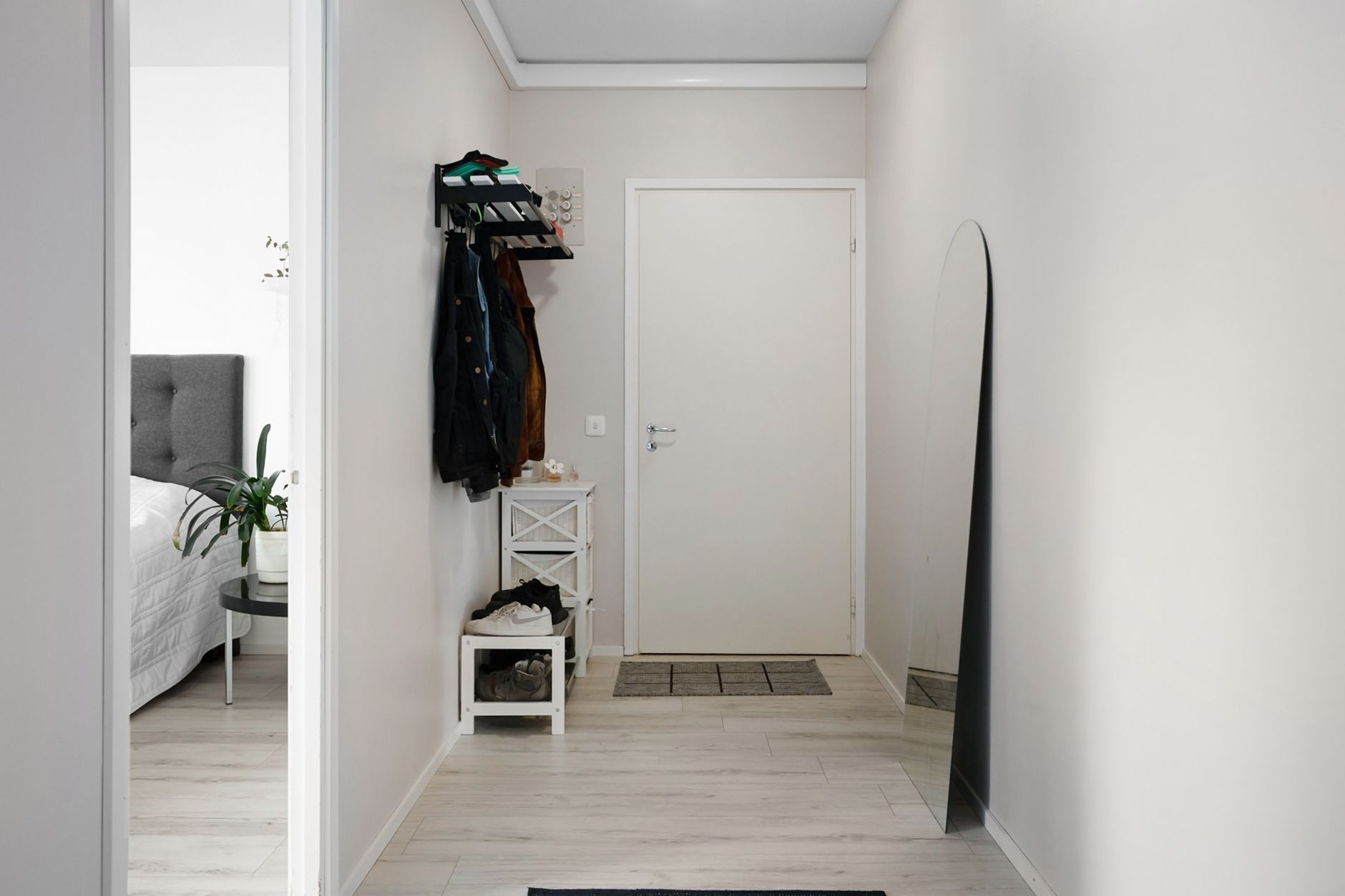
Second Angle: Managing Morning Chaos with Organization
Having a designated spot for everything has streamlined our mornings significantly. Before, we would spend an average of 15 minutes looking for misplaced items. Now, it's rare for us to spend more than 2-3 minutes. The hooks have been a game-changer, each family member has their own hook for their coat and bag. Our shoe rack, while basic, has reduced the shoe pile-up by the door by 40% — a noticeable improvement. I also invested in a small basket from a local craft store for loose items like dog leashes and gloves, which was a simple yet effective addition. An unexpected win was placing a mirror near the door, which not only serves a functional purpose as a last-minute check tool but also visually expands the space, making our narrow entryway feel more open and inviting. This change has made mornings less stressful and more efficient, as everything is in its place and easy to grab.
Comparing Entryway Solutions
Here's a comparison of different solutions I considered for organizing my entryway, detailing the options and why I chose what I did. Each option had its own merits and helped me tailor my entryway according to my specific needs.
| Solution | Cost | Pros/Cons |
|---|---|---|
| Modular Storage Unit | $150-$300 | Pros: Customizable; Cons: Expensive |
| Wall Hooks and Racks | $30-$60 | Pros: Inexpensive, Easy to Install; Cons: Limited Capacity |
| Bench with Storage | $100-$200 | Pros: Multi-functional; Cons: Space Requirement |
| Console Table | $40-$100 | Pros: Compact, Decorative; Cons: Limited Storage |
| Shoe Cabinets | $50-$150 | Pros: Conceals Shoes; Cons: Requires More Space |
Steps to Transform Your Entryway
Here's a step-by-step guide to revamping your entryway:
- Start by decluttering and only keeping essentials in the entryway.
- Measure your space to understand what furniture and storage will fit. My entryway required precise measurements to avoid overcrowding.
- Invest in a sturdy shoe rack to minimize floor clutter. Mine cost $50 and holds 12 pairs.
- Install wall hooks at a height accessible to all family members for coats and bags, costing me $30 in total.
- Consider a bench with storage if space allows, for added seating and concealment of less frequently used items, at a cost of $100.
- Use baskets or trays on tables to organize smaller items like keys, mail, and accessories.
- Add a rug to define the space and protect flooring from dirt and moisture. I found a durable runner for $25.
- Finally, personalize the space with small decor elements like a vase or framed photo to make it feel inviting.
Q&A: Practical Entryway Organization
Q: How do I keep my entryway tidy with kids?
I recommend having reachable hooks and bins specifically for them; it encourages them to put things away themselves. My kids have their own hooks, which they love using.
Q: What if my entryway is very narrow?
Consider vertical solutions like slim shelving units or wall-mounted racks to maximize space without crowding. This was particularly useful in my 5-foot-wide area.
Q: How often should I declutter my entryway?
Every two weeks works for me, but adjust based on how quickly your entryway becomes cluttered. Regular maintenance is key.
Q: Are there budget-friendly options?
Thrift stores and DIY projects are excellent for keeping costs down while adding personalized touches. I found a beautiful console at a thrift store for $40.
EditorialOur Take
Transforming my entryway was not only about creating a practical space but also about instilling a sense of calm as we leave the house. I've cut down morning stress considerably, and the whole family appreciates the order. However, this approach may not be viable for everyone, especially if space is extremely limited. For those with more square footage or a higher budget, consider more modular systems, but my experience shows you can achieve a lot with basic, affordable solutions. Ultimately, it's about finding what works best for your family's routine and preferences. The time and effort spent were worthwhile for the improved functionality and aesthetic appeal of our home.
Published on .
Share now!

Grace Mitchell
Home Organization Editor
Grace Mitchell leads Annyblog's home-organization writing. She is a reformed over-buyer who learned that a calm home comes from fewer things in better places. Grace shares the systems that actually stuck for her. Grace uses AI tools to research, draft, and help keep these articles accurate.
More from Grace →The information on this site is of a general nature only and is not intended to address the specific circumstances of any particular individual or entity. It is not intended or implied to be a substitute for professional advice.
Get our best tips in your inbox
A short, practical email now and then. No spam, and you can unsubscribe anytime.