Published on:
5 min read
By Chloe Adams · Seasonal Living Contributor
What's the Best Way to Transition Your Home for Fall?
Every autumn, I find myself thrilled to swap out the light and airy elements of summer for the warm, cozy comforts of fall. Here's how I transform my space each year.

As Summer Fades: Welcoming Fall Into My Home
There's a certain magic in the air as summer gives way to fall—the crispness that invites layers and a palette of deep reds, oranges, and golden yellows that seem to color everything in sight. Each year, as the days grow shorter, I relish the opportunity to transform my home into a haven of warmth and coziness. For me, transitioning my home for fall isn't just a task; it's a ritual that rejuvenates my living space and my spirit. In this article, I’ll share the practical steps and personal insights I've gathered over the years as I shift from the breezy essence of summer to the snug embrace of autumn. From the textures I choose to the ambiance I create, each detail is carefully curated to reflect the season's essence.
Creating a Cozy Nook: My Reading Corner Transformation
The first place I start when transitioning my home for fall is my reading nook. It’s my sanctuary for those rainy autumn afternoons. Last year, I spent around $120 revamping this small space. I invested in a couple of plush throw blankets, opting for a rich burgundy and a mustard yellow, each costing about $30. I also added a few oversized, fluffy pillows at $15 each. What made the biggest difference was a small, dimmable table lamp I picked up for $40, which casts a soft, inviting glow perfect for cozying up with a good book. Initially, I had tried using my summer string lights to create ambiance, but it just didn’t work with the fall vibes, so I switched to the lamp, which added a touch of warmth instantly. If I were to change anything this year, it would be to add a small wooden side table to hold my mug of cider—something sturdy yet minimalist to keep the space uncluttered. I've also learned that adding a small indoor plant, like a rubber plant or a fiddle leaf fig, can introduce a bit of life to the corner while maintaining the cozy atmosphere.

Swapping Out Fabrics: From Light to Layered
Another pivotal change in my fall transition is swapping out lightweight summer fabrics for heavier, layered textures. This year, I dedicated about $200 to update curtains, bedding, and table linens. My first step was the curtains in the living room—I swapped out my sheer white drapes for thick, velvet blackout curtains in a deep forest green; these cost me about $80. They're not only stylish but also practical as they help keep the warmth in. In the bedroom, I replaced my cotton summer duvet with a down alternative comforter ($70) and added a quilted bedspread ($50) for extra warmth. The dining area also got a facelift with a woven table runner in earth tones—at $20, it was a small touch that tied the room together. Initially, I underestimated how much these heavier fabrics would complement each other, but they created a cohesive, inviting atmosphere throughout my home. I've also started to incorporate small, textured rugs to add warmth underfoot, particularly in areas where I often find myself standing, such as the kitchen sink or beside the bed.
Comparing Decor Choices: Simple Touches vs. Full Redesign
When considering how to transition your home for fall, there are various approaches you might take. Here's a comparison of some of the choices I've weighed over the years. Whether you're looking for subtle changes or a dramatic overhaul, understanding the pros and cons of each approach can help guide your decision.
| Approach | Budget ($) | Impact |
|---|---|---|
| Minimal Decor Update | 50 | Subtle seasonal touches, less clutter |
| Moderate Refresh | 150 | Noticeable changes, balanced aesthetic |
| Full Redesign | 300+ | Major transformation, new look and feel |
Practical Tips for a Seamless Transition
Transitioning your home for fall doesn’t have to be overwhelming. Here are some practical steps that have worked for me:
- Start early: Begin your transition by mid-September to fully enjoy the change.
- Layer textures: Use a mix of knits, velvets, and wool to add depth.
- Focus on lighting: Swap bright white bulbs for warm, softer lighting.
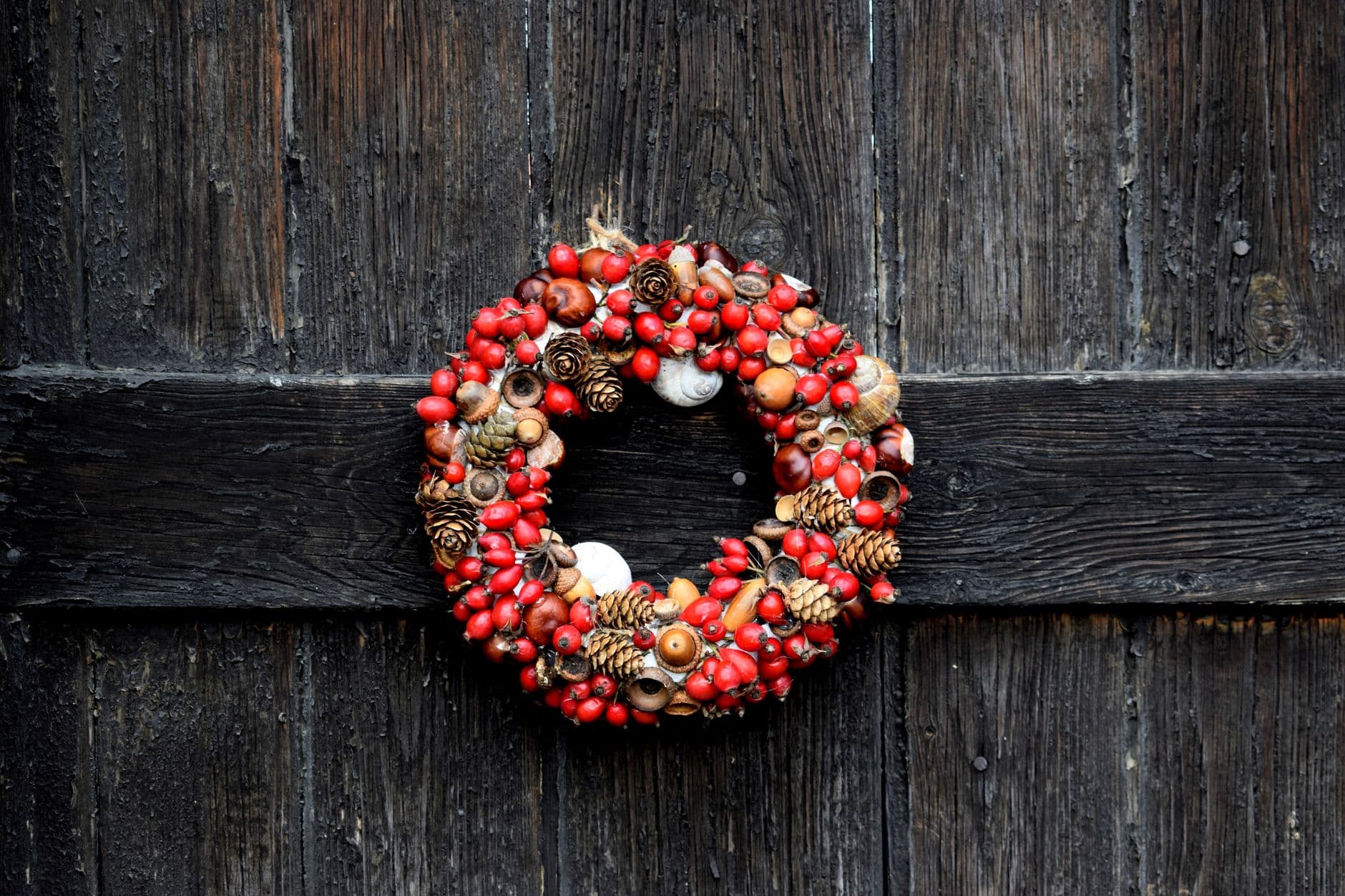
- Add natural elements: Incorporate items like pinecones, dried leaves, or small pumpkins.
- Don’t forget the scents: Use candles or essential oils with cinnamon, clove, or cedar.
- Stick to a color palette: Choose a palette of 3-4 colors to maintain cohesion.
- Prioritize comfort: Ensure that every change enhances the coziness of your space.
- Invest in quality: Spend a little more on key pieces like throw blankets or pillows to ensure they last multiple seasons.
- Rotate decor: Store summer items neatly so you can easily swap them back next year.
Your Fall Transition Questions Answered
Q: How can I transition my home for fall on a tight budget?
Start small by changing out pillow covers and adding a few autumn-scented candles. You can also forage for natural decor like branches or pinecones. Another cost-effective change is to focus on rearranging your furniture to create a cozier layout.
Q: When should I start decorating for fall?
I usually start in late September, but anytime from late September to early October allows you to enjoy the full season. Starting earlier means you can take advantage of early fall sales and have more time to enjoy your newly decorated space.
Q: What are some easy swaps for a quick fall update?
Switch out your summer throw blankets for heavier ones, add a few new candles in fall scents, and change your flowers to seasonal options like mums or sunflowers. Introducing heavier drapes or swapping out lighter tablecloths for bolder, textured options can also make a significant difference.
Q: How much should I expect to spend on transitioning for fall?
It varies based on your approach but expect to spend anywhere from $50 for minor changes to $300 or more for a full room refresh. Consider setting a budget before you start, and prioritize the areas of your home where you spend the most time.
EditorialOur Take
Transitioning your home for fall is a deeply personal venture that can be as simple or elaborate as you desire. I find immense joy in the process, and it’s a way for me to embrace the changing seasons with open arms. For those who appreciate a cozy atmosphere and look forward to the shift from summer to fall, this transition is a must-do. It’s not for everyone, especially if you prefer a minimalist decor year-round, but for those of us who crave that extra touch of warmth and comfort, it's a rewarding experience that enhances the coziness of our space. It's important to embrace the changes at your own pace and not feel pressured to overhaul everything at once. The goal is to create a space that brings you joy each time you walk through the door.
Published on .
Share now!

Chloe Adams
Seasonal Living Contributor
Chloe Adams covers seasonal living for Annyblog, from spring resets to cozy winter routines. She likes marking the seasons at home in small, low-effort ways. Chloe writes about enjoying each season without turning it into a project. Chloe uses AI tools to research, draft, and help keep these articles accurate.
More from Chloe →The information on this site is of a general nature only and is not intended to address the specific circumstances of any particular individual or entity. It is not intended or implied to be a substitute for professional advice.
Get our best tips in your inbox
A short, practical email now and then. No spam, and you can unsubscribe anytime.