Published on:
6 min read
Unlocking Relief: Effective Strategies for Managing Varicose Veins
Varicose veins are not just a cosmetic concern; they can lead to discomfort and more serious health issues. In this post, we’ll explore effective strategies to manage and alleviate the symptoms of varicose veins, focusing on lifestyle changes, treatments, and preventative measures.

Understanding Varicose Veins
Varicose veins occur when veins become enlarged and twisted, often appearing blue or dark purple on the skin's surface. They are most commonly found in the legs but can develop in other areas of the body. Factors that contribute to varicose veins include genetics, prolonged standing or sitting, obesity, and hormonal changes. Understanding the underlying causes is essential to managing symptoms effectively. While they may seem like a mere nuisance, varicose veins can lead to discomfort, swelling, and more serious conditions like thrombophlebitis or venous ulcers. Recognizing the signs early on can help in taking proactive steps towards management.
Lifestyle Modifications for Relief
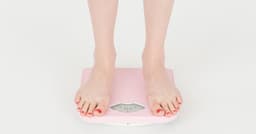
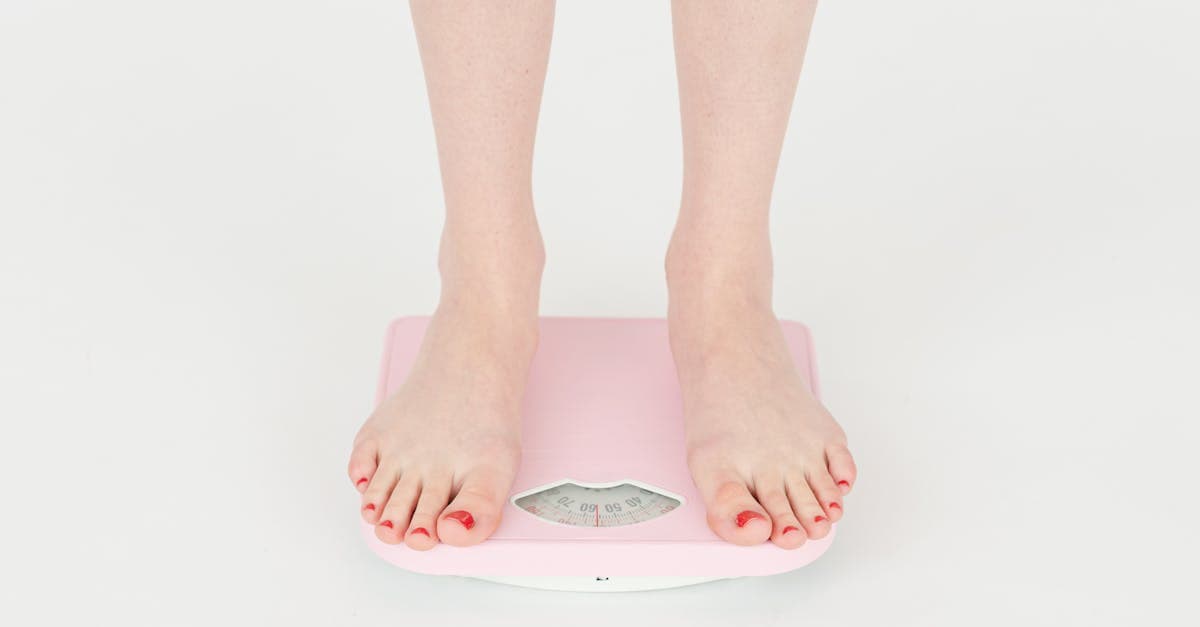
Making lifestyle changes can significantly alleviate the symptoms of varicose veins. Regular exercise, such as walking, cycling, or swimming, strengthens the leg muscles and promotes better blood circulation. Maintaining a healthy weight is crucial, as excess weight adds pressure to veins. Additionally, investing in compression stockings can provide support to the veins, reducing discomfort. Elevating the legs whenever possible can also facilitate blood flow back to the heart. Simple modifications in daily habits, like taking breaks from prolonged sitting or standing, can make a considerable difference in managing discomfort.
Medical and Home Treatments
If lifestyle changes aren’t enough to manage varicose veins, various medical treatments are available. Sclerotherapy, which involves injecting a solution into the affected veins, can effectively reduce their appearance. Laser therapy and endovenous laser treatments utilize light technology to seal off damaged veins. It's essential to consult with a healthcare professional who can recommend the best option based on individual circumstances. Home remedies, such as using apple cider vinegar and herbal supplements, have also gained popularity for their potential benefits, although they should be approached with caution and discussed with a doctor.
Conclusion
Managing varicose veins involves a multi-faceted approach that includes understanding the condition, making necessary lifestyle changes, and exploring both medical and home treatments. While the journey may require some changes and trials, relief is achievable. By prioritizing your health and seeking proper advice, you can unlock the relief you need and improve your overall quality of life.
Published on .
Share now!