Published on:
6 min read
Unlocking Healing: The Future of Stem Cell Treatments
Stem cell treatments are revolutionizing the landscape of modern medicine. As scientists unlock the potential of these remarkable cells, the future of healing looks brighter than ever. This post explores the advancements and possibilities of stem cell therapies in various fields of healthcare.
What Are Stem Cells?
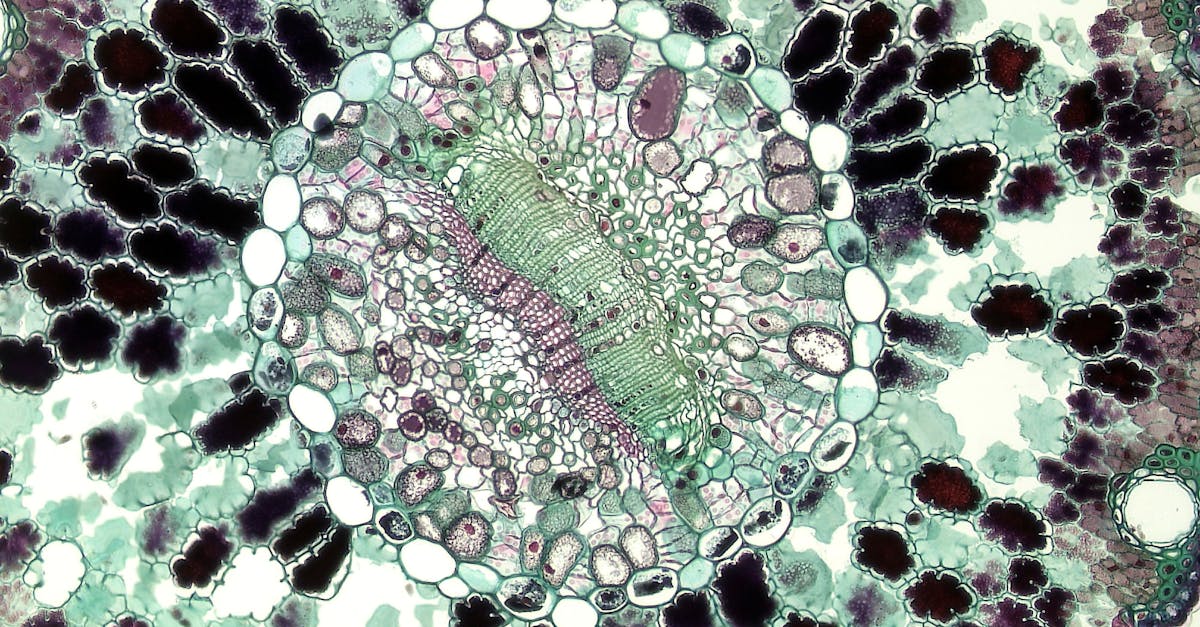
Stem cells are unique cells capable of developing into different cell types in the body. They have the remarkable potential to regenerate damaged tissues and organs. Scientists categorize stem cells into two primary types: embryonic stem cells and adult stem cells. While embryonic stem cells can differentiate into nearly any cell type, adult stem cells are more specialized. Recent research highlights the extraordinary potential of these cells in repairing tissues impacted by diseases and injuries. Understanding the fundamental biology of stem cells is crucial to harnessing their therapeutic potential and paving the way for groundbreaking treatments.
Advancements in Stem Cell Therapies
The landscape of stem cell therapies is rapidly evolving, with breakthroughs enhancing treatment capabilities. One notable advancement includes the use of induced pluripotent stem cells (iPSCs), which are adult cells reprogrammed back into an embryonic-like state, allowing for the generation of various specialized cells. This innovation opens doors for personalized medicine, as patient-specific cells can be produced for targeted treatments. Additionally, significant strides have been made in using stem cells to combat conditions like spinal cord injuries, Parkinson's disease, and cardiovascular disorders. As research continues, the potential applications of stem cell therapies seem virtually limitless.
Ethical Considerations and Challenges
Despite the promising outlook, stem cell research is accompanied by significant ethical considerations. The use of embryonic stem cells raises concerns regarding the moral implications of their extraction. Consequently, researchers are compelled to navigate a complex landscape of regulations and public opinion. Moreover, challenges such as immune rejection and tumor formation must be addressed to ensure the safety and efficacy of stem cell therapies. Efforts to develop ethical frameworks and guidelines for conducting research responsibly are crucial. By addressing these concerns, the field can progress without compromising societal values, ensuring a future where stem cell treatments can be widely accepted.
The Path to the Future
Looking ahead, the integration of stem cell therapies into mainstream medicine is on the horizon. As technology advances, we can expect more clinical trials and successful treatment outcomes. Patient advocacy groups and funding for research are essential to propel this emerging field forward. Additionally, collaborations between research institutions, healthcare providers, and regulatory bodies will be vital in overcoming obstacles and accelerating the translation of findings from the lab to the clinic. By fostering innovation and dialogue, we are one step closer to unlocking the full potential of stem cell treatments and opening a new chapter in medical history.
Conclusion
Unlocking the potential of stem cells signifies a new era in healing and medicine. As we continue to explore the advancements, ethical considerations, and challenges surrounding stem cell therapies, it becomes clear that the future holds incredible promise. With ongoing research and collaborative efforts, we are gradually paving the way for transformative treatments that could change lives.
Published on .
Share now!