Published on:
6 min read
Rev Up Your Ride: The Ultimate Guide to Buying Used Motorcycles
Ready to hit the open road on two wheels? This guide walks you through everything you need to know about buying a used motorcycle. From evaluating models to the importance of inspections, empower yourself to make a smart purchase.
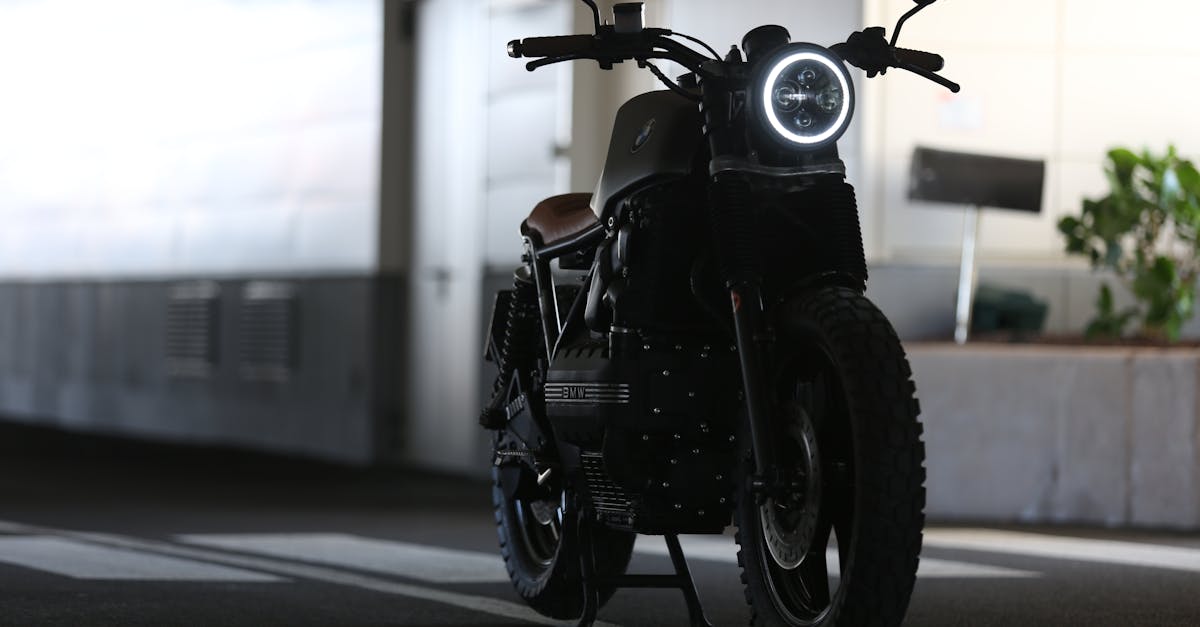
Understanding Different Types of Motorcycles
Before diving into searches for used motorcycles, it's crucial to familiarize yourself with the various types available. Motorcycles generally fall into categories like cruisers, sportbikes, touring motorcycles, and dirt bikes. Cruisers, like Harley-Davidson models, offer a laid-back riding experience and are ideal for city commuting. On the other hand, sportbikes like Kawasaki Ninja are designed for speed and performance. Assess your riding style, experience level, and intended use, as each type offers distinct characteristics that cater to different needs. Understanding these categories will help narrow your choices and lead you to the model that best suits your lifestyle.
What to Look for in a Used Motorcycle
When considering a used motorcycle, you must know what to scrutinize during your evaluation. Start with the motorcycle's age and mileage—typically, a bike with lower mileage is preferred. Next, inspect the overall body condition, looking for rust, dents, and scratches. Pay close attention to the tires, brakes, and even chain—a worn chain could be a costly replacement. Review the maintenance records, as a well-documented history indicates that the previous owner took care of the bike. Additionally, don't hesitate to take the motorcycle for a test ride. This allows you to gauge how it feels, checking for any unusual noises or handling issues that might signal deeper problems.
Navigating the Buying Process
Once you've shortlisted a few motorcycles, it's time to navigate the buying process. Always start by checking the motorcycle’s Vehicle Identification Number (VIN) through an online service, ensuring there are no outstanding recalls or accidents linked to it. Negotiation is a crucial step, so be prepared to leverage any issues you noticed during the inspection to potentially lower the price. Consider having a mechanic conduct a pre-purchase inspection to gain deeper insights into the bike's condition, especially if you're not technically inclined. Reading reviews about the seller can also provide critical context, helping you to ensure a safe transaction—whether through a dealership or a private seller.
Conclusion
Buying a used motorcycle can be an exhilarating experience when you approach it methodically. Armed with knowledge about different types of bikes, knowing what to look for, and understanding the buying process, you can make an informed decision. Remember, thorough research and careful inspection will not only enhance your riding experience but also ensure your investment is wise and worthwhile.
Published on .
Share now!