Published on:
7 min read
Transform Your Skin: Effective Strategies for Scar Removal
Scars can be a source of distress, impacting our self-esteem and confidence. Fortunately, there are effective strategies to minimize their appearance and promote healthier skin. This post explores various approaches to scar removal, offering hope and practical solutions.
Understanding Scars
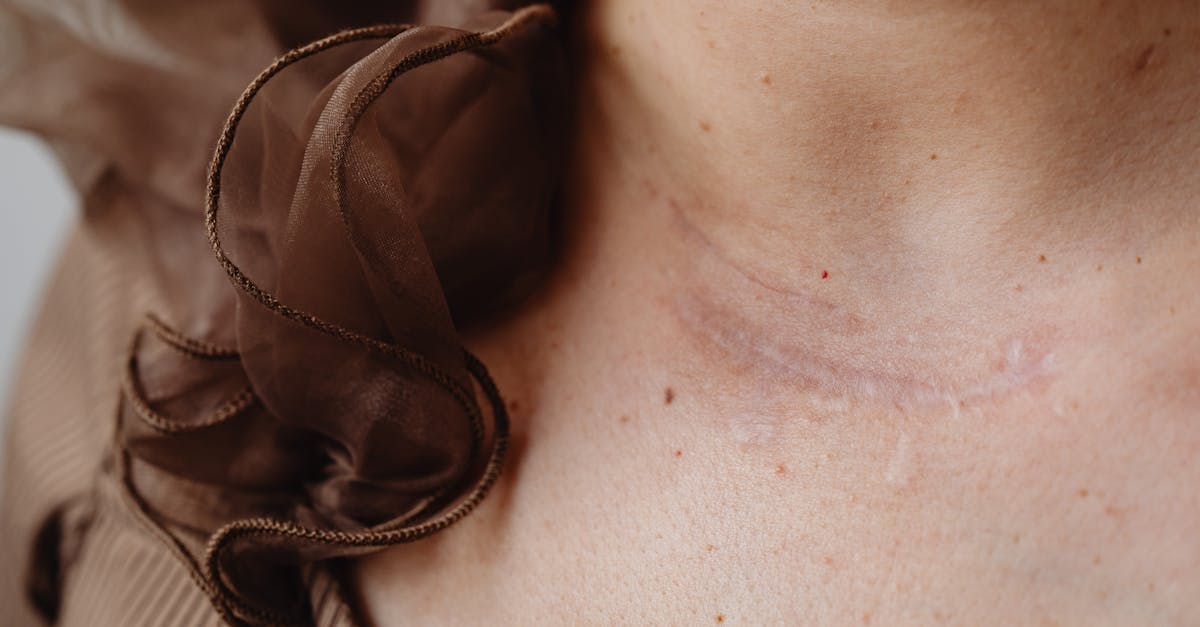
Before addressing scar removal, it’s important to understand what scars are and why they form. Scars develop as part of the natural healing process when the skin is injured. The body produces collagen to repair the damage, leading to various types of scars: atrophic scars (like acne scars), hypertrophic scars (raised and thickened), and keloids (overgrown scars). Understanding the characteristics of your scars is crucial for determining the most appropriate treatment methods. Different types of scars respond better to specific treatments, such as laser therapy, silicone gels, or surgical options. Learning about your options can empower you to take the first step toward beautiful, scar-free skin.
Top Home Remedies for Scar Reduction
Many people seek effective home remedies for scar removal before resorting to more invasive treatments. Some of the most popular remedies include aloe vera, known for its skin-soothing and healing properties; coconut oil, which helps moisturize and reduce scar visibility; and honey, a natural humectant that promotes healing. Applying a mixture of lemon juice and honey can also brighten scars, thanks to lemon’s natural exfoliating qualities. While these remedies can help in the early stages of scar formation or assist with minor scars, they generally work best in conjunction with other treatments. For deeper or older scars, professional interventions can yield better results.
Professional Treatments for Scar Removal
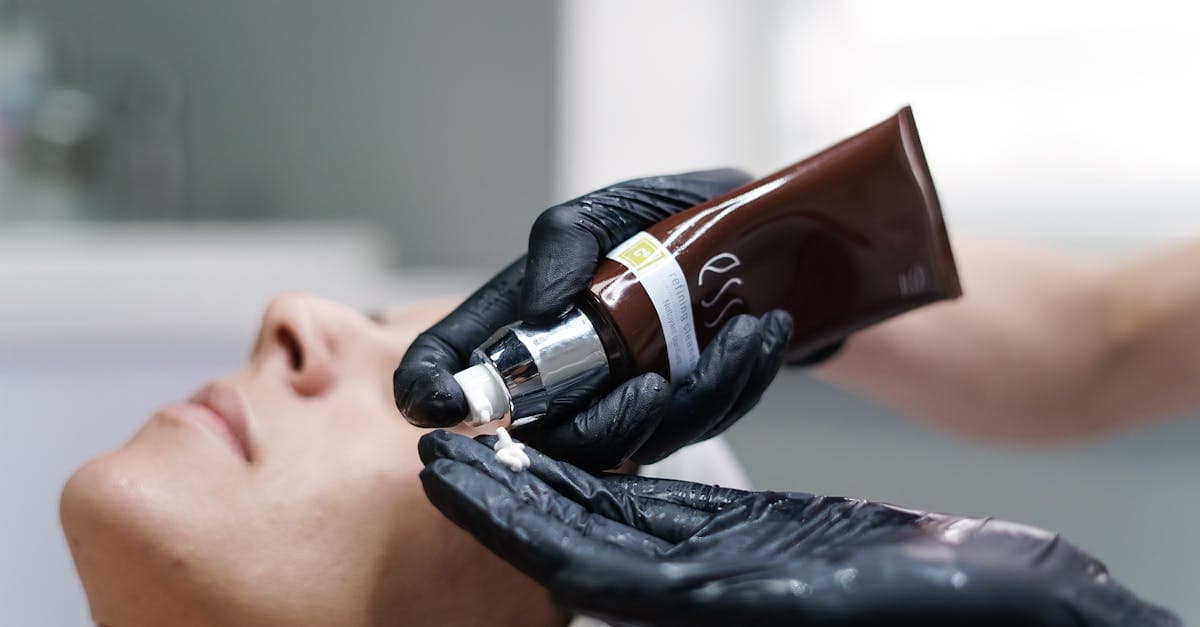
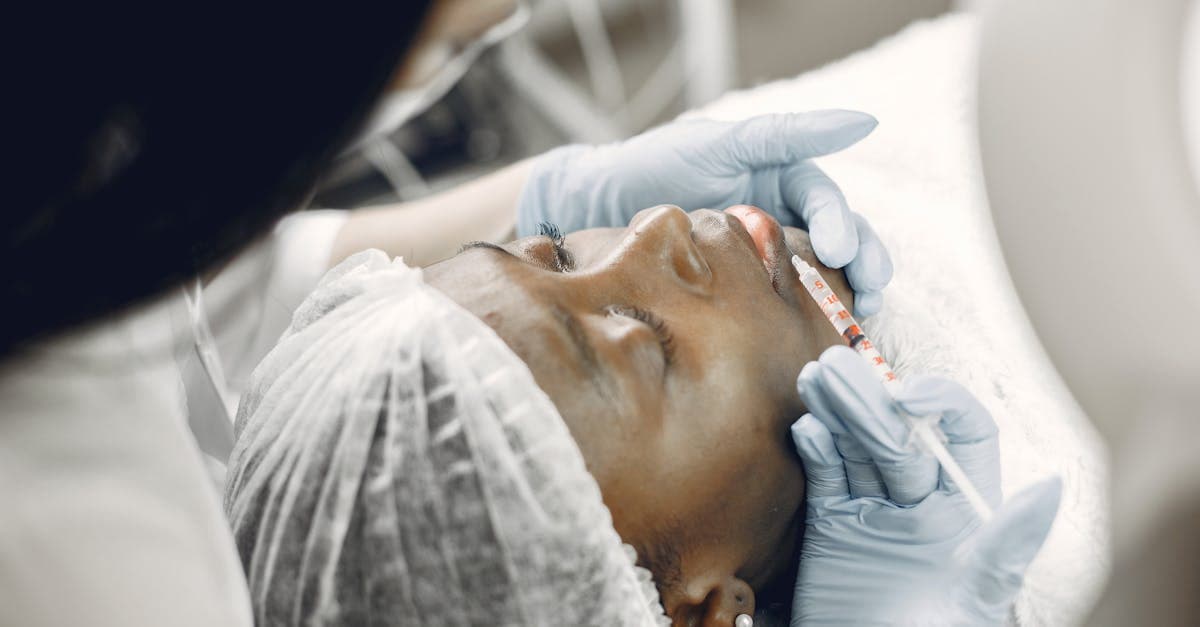
When home remedies aren't enough, consulting a dermatologist can provide access to more effective scar removal options. Treatments such as chemical peels can improve skin texture, while microneedling stimulates collagen production, leading to smoother skin over time. Laser therapy is also highly effective for various scar types, as it encourages skin rejuvenation by targeting the scar tissue. In cases of severe scarring, options such as dermal fillers or surgical excision may be necessary. Each treatment has its benefits and risks, so working with a qualified professional is essential to develop a personalized scar removal plan that suits your skin type and individual needs.
Conclusion: Your Path to Scarring Recovery
Transforming your skin from scars can be a rewarding journey. With various strategies available, from home remedies to professional treatments, you have the power to choose what works best for you. Remember, patience is key – skin healing takes time. Seek advice from professionals, stay committed, and soon you’ll be on the path to clearer, more radiant skin.
Published on .
Share now!