Published on:
10 min read
Smile Makeover Guide: Best Options, Costs, and Results
A smile makeover can range from a simple whitening treatment to a full-mouth cosmetic plan involving veneers, bonding, aligners, implants, and gum contouring. That wide range is exactly why so many patients feel overwhelmed: the same goal, a more attractive smile, can come with dramatically different costs, timelines, maintenance demands, and long-term outcomes. This guide breaks down the options in plain English, with realistic price ranges, candid pros and cons, and examples of who each treatment is best for. You’ll learn how dentists build makeover plans, what results to expect, where patients often overspend, and which questions matter before you commit. Whether you want a subtle refresh before a wedding or a comprehensive reconstruction after years of wear, this article will help you compare treatments intelligently and make decisions that balance appearance, function, budget, and durability.

- •What a Smile Makeover Actually Includes and Why Planning Matters
- •Best Smile Makeover Options: What Each Treatment Fixes, With Pros and Cons
- •Typical Costs, Longevity, and Value: Where Patients Spend Wisely or Overspend
- •Smile Makeover Options Compared
- •How to Evaluate Results and Choose the Right Dentist
- •Key Takeaways: Practical Tips to Get Better Results and Avoid Regret
- •Conclusion: Build a Smile Makeover Plan That Fits Your Face, Budget, and Future
What a Smile Makeover Actually Includes and Why Planning Matters
A smile makeover is not one single procedure. It is a customized combination of cosmetic and restorative dental treatments designed to improve the appearance of your teeth, gums, bite, and sometimes even facial balance. For one person, that may mean whitening plus minor bonding. For another, it could involve orthodontics, porcelain veneers, gum reshaping, and replacement of missing teeth. The reason this matters is simple: the best-looking result usually comes from sequencing treatments correctly, not choosing the flashiest option first.
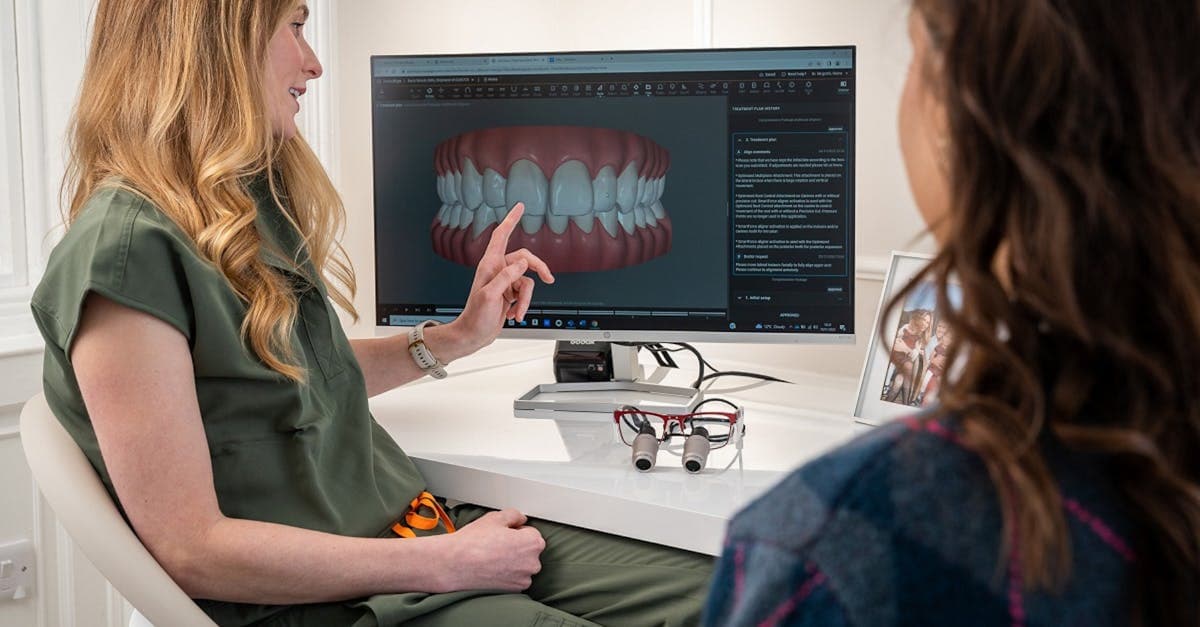
A good cosmetic dentist evaluates several factors before suggesting treatment. These typically include tooth color, enamel thickness, crowding, gum display, bite alignment, old dental work, and your long-term habits such as grinding, smoking, or drinking coffee. In many practices, the consultation includes digital photos, X-rays, intraoral scans, and sometimes a digital smile design mockup. Fees for an initial cosmetic consultation vary widely, but in the U.S. it often ranges from about 100 dollars to 300 dollars, while some practices apply that amount to treatment.
Consider a common real-world scenario: a patient dislikes “small, yellow, uneven” front teeth. Veneers may seem like the obvious answer, but if the teeth are actually worn down from nighttime grinding and the bite is unstable, placing veneers first can increase the risk of chipping or failure. The smarter plan might be bite evaluation, a night guard, whitening, and conservative reshaping before any irreversible treatment.
Why it matters: smile makeovers are equal parts aesthetics and engineering. The most beautiful result is the one that still looks good, feels comfortable, and functions well five to ten years later.
Best Smile Makeover Options: What Each Treatment Fixes, With Pros and Cons
Most smile makeovers are built from a small group of proven treatments. Teeth whitening is often the starting point because it is the least invasive and usually costs about 300 dollars to 800 dollars in-office, depending on the system used. Professional take-home trays may cost 200 dollars to 500 dollars. Bonding is another conservative option; dentists use tooth-colored resin to repair chips, close small gaps, and improve shape, generally for 300 dollars to 700 dollars per tooth.
Porcelain veneers are popular because they can change color, shape, and proportion at once. In many U.S. markets, they cost around 1,000 dollars to 2,500 dollars per tooth. Clear aligners can straighten mild to moderate crowding and spacing, often ranging from 3,000 dollars to 7,000 dollars. Crowns, gum contouring, implants, and bridges may also be part of a larger plan when function or missing teeth are involved.
Pros and cons matter more than marketing.
- Whitening pros: affordable, fast, noninvasive. Cons: temporary sensitivity, not effective on crowns or fillings, results fade with staining habits.
- Bonding pros: relatively low cost, minimal drilling, usually completed in one visit. Cons: stains more easily than porcelain, chips more easily, shorter lifespan.
- Veneers pros: dramatic cosmetic improvement, highly stain resistant, excellent for shape and color correction. Cons: expensive, usually irreversible, may require replacement after 10 to 15 years.
- Aligners pros: improve alignment without changing natural tooth structure. Cons: slower results, compliance dependent, attachments may be visible.
Typical Costs, Longevity, and Value: Where Patients Spend Wisely or Overspend
Smile makeover costs vary enormously because treatment plans vary enormously. A modest cosmetic refresh, such as whitening plus two or four bonding repairs, may total 1,000 dollars to 3,000 dollars. A veneer-focused makeover on six to ten upper front teeth often lands between 8,000 dollars and 20,000 dollars. More complex cases involving aligners, gum treatment, crowns, or implants can easily reach 15,000 dollars to 40,000 dollars or more. Geography matters too. Fees in Manhattan, Beverly Hills, or central London are often significantly higher than in smaller cities.
Value is about lifespan, maintenance, and whether the treatment prevents future problems. Bonding is cheaper upfront, but if you polish, repair, or replace it every few years, the long-term cost can narrow the gap with porcelain. Veneers cost more initially but can last 10 to 15 years, and sometimes longer with careful maintenance. Clear aligners may feel expensive, yet they can reduce uneven wear and make future cosmetic work more conservative.
A practical example: if someone has mild front tooth crowding and wants eight veneers mainly for alignment, that may be an aesthetic shortcut, but not always the best financial or biological one. Spending 4,000 dollars to 6,000 dollars on aligners first might preserve more enamel and reduce the number of veneers needed later.
Patients often overspend when they skip diagnosis and buy a brand image instead of a treatment plan. They spend wisely when they ask what will last, what is reversible, what maintenance costs to expect, and whether a lower-intervention approach could deliver 80 to 90 percent of the visual improvement for a fraction of the price.
Smile Makeover Options Compared
If you are trying to choose among treatments, compare them based on what problem you want to solve first: color, alignment, shape, damage, or missing teeth. That framing prevents a common mistake, selecting veneers when whitening or orthodontics would address the root issue more conservatively. Another smart filter is maintenance. A treatment that looks stunning on day one but requires frequent repair may not be ideal if you grind your teeth, travel often, or know you are inconsistent with follow-up care.
Timelines also matter in real life. Whitening and bonding can often be completed in one or two visits. Veneers usually take two to four visits over a few weeks. Clear aligners may require 6 to 18 months, while implants can take several months depending on healing and bone quality. If you have a deadline such as a wedding, job interview season, or a major family event, your timeline should shape the plan from the beginning.
One more point many patients miss: some treatments stack well, and others should be delayed. Whitening should generally happen before matching bonding or veneers to a new shade. Orthodontics often comes before final cosmetic reshaping. When sequencing is wrong, patients end up redoing work they already paid for.
Use the comparison below as a starting framework, not a substitute for an exam. The best plan is almost always personalized, but understanding these trade-offs helps you ask sharper questions and avoid being dazzled by glossy before-and-after photos alone.
| Treatment | Best For | Typical Cost | Longevity | Typical Timeline |
|---|---|---|---|---|
| Professional whitening | Yellowing and surface stains | $200-$800 | 6 months to 2 years | 1 visit or home trays for 1-2 weeks |
| Composite bonding | Small chips, gaps, uneven edges | $300-$700 per tooth | 3-7 years | 1 visit |
| Porcelain veneers | Color, shape, proportion, minor alignment issues | $1,000-$2,500 per tooth | 10-15 years | 2-4 visits over 2-4 weeks |
| Clear aligners | Crowding, spacing, bite correction | $3,000-$7,000 | Long-term with retainers | 6-18 months |
| Dental implant | Single missing tooth replacement | $3,000-$6,000 per tooth | 10+ years, often much longer | 3-9 months |
How to Evaluate Results and Choose the Right Dentist
Beautiful cosmetic dentistry is not just white teeth. Good results look natural in your face, fit your speech pattern, support your bite, and age well. The easiest way to spot quality is to study before-and-after cases that resemble your own starting point. Look for patients with similar tooth shape, spacing, gum display, and smile width. If every after photo looks unnaturally opaque, oversized, or identical, that is a warning sign that the dentist may be imposing a style rather than designing an individualized result.
Ask what materials are being used and why. For example, lithium disilicate porcelain is common for veneers because it balances strength and aesthetics, while layered feldspathic porcelain may be chosen in high-end cosmetic cases that prioritize lifelike translucency. Also ask whether the plan includes a wax-up or mockup. Being able to preview shape and length before final treatment can prevent disappointment.
A strong consultation should answer practical questions such as:
- How much natural tooth structure will be removed?
- What happens if I grind my teeth or clench at night?
- How long should this work last in a case like mine?
- What maintenance and replacement costs should I expect?
- Are there lower-cost or more conservative alternatives?
Key Takeaways: Practical Tips to Get Better Results and Avoid Regret
If you are seriously considering a smile makeover, a few practical rules can save you thousands of dollars and a lot of frustration. First, define your goal clearly. Do you want whiter teeth, a less gummy smile, straighter edges, or a complete transformation? Patients who say only “I want perfect teeth” are easier to oversell because they have not identified what actually bothers them. Take close-up photos of your smile in daylight and circle the specific issues you notice.
Second, get at least two consultations for any plan involving veneers, crowns, orthodontics, or implants. Treatment philosophy differs dramatically. One dentist may propose 10 veneers, while another recommends whitening, aligners, and edge bonding. The visual result may be similar, but the cost and invasiveness can be very different.
Third, plan for maintenance from day one.
- Whitening often needs touch-ups every 6 to 12 months if you drink coffee, tea, or red wine regularly.
- Bonding may need polishing or repair sooner if you bite nails or chew ice.
- Veneers and crowns usually benefit from a night guard if you clench.
- Aligners only hold results if you wear retainers consistently.
Conclusion: Build a Smile Makeover Plan That Fits Your Face, Budget, and Future
The best smile makeover is not the most dramatic one. It is the plan that solves your real concerns, protects your natural teeth, and delivers results you can maintain comfortably over time. For some people, that means whitening and bonding. For others, it means orthodontics, veneers, or implants in a carefully staged sequence. Start with a clear list of priorities, ask detailed questions about longevity and maintenance, and compare at least two treatment plans before making a decision.
If you are ready to move forward, book a cosmetic consultation with photos, scans, and a mockup discussion, not just a quick sales conversation. Ask what is reversible, what is necessary, and what can wait. A thoughtful smile makeover should improve how you look, but just as importantly, it should leave you with a smile that functions well and still feels like your own.
Published on .
Share now!
MR
Mason Rivers
Author
The information on this site is of a general nature only and is not intended to address the specific circumstances of any particular individual or entity. It is not intended or implied to be a substitute for professional advice.