Published on:
10 min read
Rhinoplasty Guide: 7 Smart Tips Before You Decide
Rhinoplasty is one of the most discussed cosmetic procedures, but the decision is rarely as simple as liking or disliking your nose in photos. This guide breaks down what actually matters before surgery: surgeon selection, functional breathing issues, realistic outcome planning, recovery timelines, cost ranges, and emotional readiness. You will learn how to evaluate before-and-after images critically, what questions to ask during consultations, why revision rates and anatomy matter, and how to avoid common mistakes that lead to disappointment. Whether you are considering cosmetic refinement, structural correction after injury, or a combined breathing and aesthetic procedure, this article gives you practical, balanced advice you can use immediately. The goal is not to persuade you toward surgery, but to help you make a careful, informed decision you will still feel good about a year from now.
- •Why rhinoplasty deserves more caution than most cosmetic procedures
- •Tip 1 and Tip 2: Choose the right surgeon and ask better consultation questions
- •Tip 3 and Tip 4: Know your goals, understand imaging, and define what success actually means
- •Tip 5: Treat recovery as part of the procedure, not an afterthought
- •Tip 6 and Tip 7: Understand the true cost, revision risk, and whether you are emotionally ready
- •Key Takeaways and practical next steps before you book anything
Why rhinoplasty deserves more caution than most cosmetic procedures
Rhinoplasty is often treated like a simple cosmetic upgrade, but it is one of the most technically demanding facial surgeries. The nose sits in the center of the face, affects breathing, and changes in millimeters can alter your entire appearance. According to plastic surgery industry reports, rhinoplasty consistently ranks among the most requested facial procedures worldwide, yet it also has one of the highest patient expectation gaps because people often bring edited selfies or celebrity photos that do not match their own anatomy.
What makes this decision different is that rhinoplasty is both cosmetic and functional. A person may want a smoother bridge, a narrower tip, or correction after a sports injury, but the surgeon also has to preserve or improve airflow, support the nasal valves, and account for healing that continues for up to a year or longer. Thick skin, previous trauma, asymmetry, and ethnic features all influence what is realistic.
Before you decide, keep the tradeoffs in mind:
- Pros: can improve facial balance, repair structural problems, and boost confidence when expectations are realistic.
- Cons: swelling can last months, perfect symmetry is impossible, revision surgery is harder, and breathing can worsen if technique is poor.
Tip 1 and Tip 2: Choose the right surgeon and ask better consultation questions
Your first smart move is choosing a surgeon who performs rhinoplasty regularly, not one who only offers it as part of a long menu of procedures. Look for board certification in plastic surgery or facial plastic and reconstructive surgery, then go a step further: ask how many rhinoplasties they perform each month, how often they handle revision cases, and whether they routinely address functional breathing issues. Experience matters because rhinoplasty is less forgiving than many body procedures.
A good consultation should feel specific, not sales-driven. Bring photos that show what you like, but expect the surgeon to explain which details are achievable on your face. Ask to see before-and-after examples of patients with similar skin thickness, ethnic background, and nasal structure. One impressive gallery means very little if none of the noses resemble yours.
Questions worth asking include:
- What result is realistically achievable with my anatomy?
- Do I have a deviated septum, valve collapse, or turbinate issues that should be treated at the same time?
- What is your revision rate for primary rhinoplasty?
- Will you use open or closed rhinoplasty, and why?
- How do you plan for long-term support so the nose does not collapse over time?
Tip 3 and Tip 4: Know your goals, understand imaging, and define what success actually means
Many unhappy rhinoplasty patients did not choose the wrong surgeon as much as they chose vague goals. Saying you want a cute nose, a more feminine nose, or a nose that looks natural sounds clear, but it is not clinically useful. Better goals are specific: reduce a dorsal hump, refine a bulbous tip, improve profile balance, correct asymmetry after trauma, or open a blocked airway on one side.
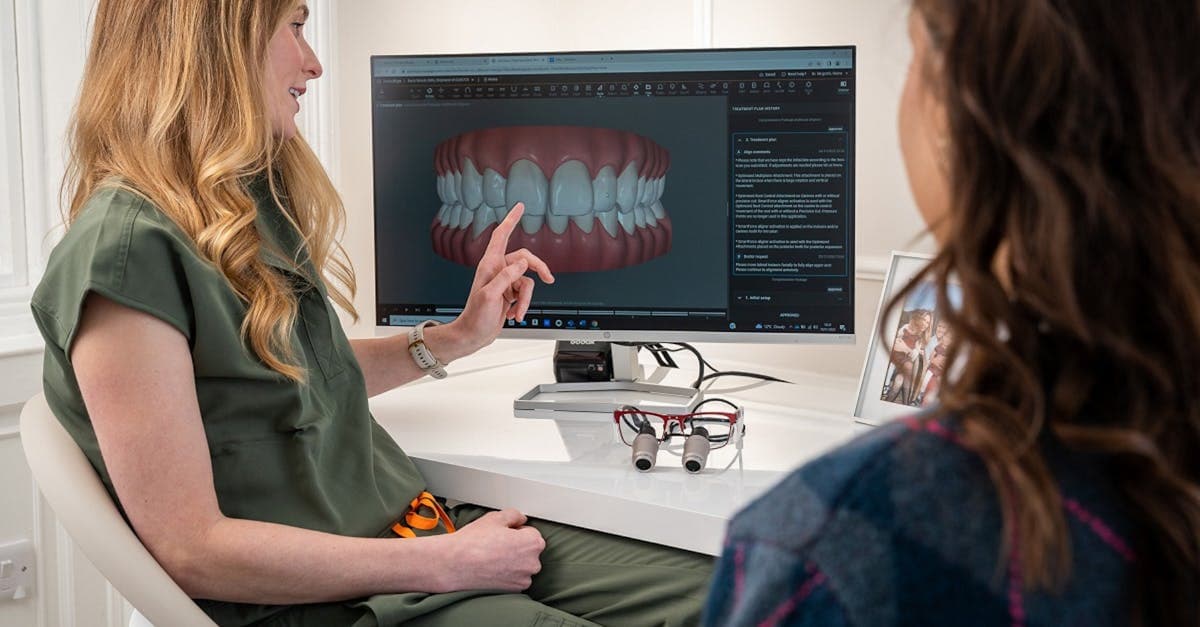
This is also where computer imaging can help and mislead. Some clinics use digital morphing to show a possible outcome. That can be useful for conversation, but it is not a guarantee. Soft tissue thickness, scar formation, cartilage memory, and healing patterns can all shift the final result. If a simulation looks dramatically different from your current anatomy, treat it as a warning sign. Subtle, believable planning is usually safer than dramatic reshaping.
Success should be defined before surgery. For some patients, success means a straighter bridge and better breathing. For others, it means preserving ethnic identity while softening one feature. That distinction matters because over-reduction remains one of the classic mistakes in rhinoplasty.
A practical way to evaluate your goals:
- List your top three concerns in order of importance.
- Separate must-fix issues from nice-to-have changes.
- Decide whether breathing improvement is equally important as appearance.
- Write down what would make you regret surgery, such as an artificial look or loss of identity.
Tip 5: Treat recovery as part of the procedure, not an afterthought
One of the biggest mistakes people make is planning for surgery but not planning for recovery. Initial bruising often improves in 10 to 14 days, which is why many patients think they will look normal after two weeks. In reality, that is only the first stage. Tip swelling can persist for months, especially in thick-skinned noses, and subtle definition may not fully appear for 12 to 18 months. If you judge your result too early, you will almost certainly misread it.
You should also think through your real-life schedule. If you have a public-facing job, a wedding in three months, or a habit of heavy exercise, timing matters. Most surgeons restrict strenuous activity for several weeks. Glasses may need to be adjusted depending on the procedure. Sleep position, sodium intake, and even seasonal allergies can affect comfort in early recovery.
Common recovery realities include:
- Nasal congestion and mouth breathing during the first week.
- Uneven swelling, where one side looks different before things settle.
- Temporary numbness around the tip or upper lip area.
- Emotional ups and downs when bruising and swelling distort the result.
- Better healing conditions can reduce avoidable complications.
- You are less likely to panic over normal swelling patterns.
- You can set better expectations with work, family, and social events.
Tip 6 and Tip 7: Understand the true cost, revision risk, and whether you are emotionally ready
Price matters, but shopping for rhinoplasty like airfare is risky. In the United States, primary rhinoplasty often falls somewhere between 8000 and 18000 dollars when you include surgeon fees, anesthesia, and facility costs, though elite metropolitan practices may charge more. Functional components such as septoplasty may be partially covered by insurance in some cases, but cosmetic changes usually are not. Always ask for an all-in quote and whether revision-related follow-up costs are included.
Low pricing can be tempting, especially when social media ads frame surgery as a limited-time offer. The problem is that revision rhinoplasty is typically more expensive, more complex, and less predictable than primary surgery. Scar tissue, missing cartilage support, and compromised airflow make the second operation harder. That is why the cheapest first surgery can become the most expensive path.
There is also the emotional side. If your motivation is rooted in a recent breakup, online bullying, or the belief that surgery will fix your confidence entirely, pause. Good candidates usually have a stable reason for change and realistic expectations about what surgery can and cannot solve.
Signs you may be ready:
- You have one or two clear concerns, not endless perceived flaws.
- You understand healing takes months, not days.
- You want improvement, not perfection.
- You are obsessively editing selfies or checking mirrors for reassurance.
- You expect surgery to repair relationships or career issues.
- You feel pressured by a partner, influencer, or trend.
Key Takeaways and practical next steps before you book anything
If you remember only one thing, let it be this: a successful rhinoplasty starts long before the operating room. The patients who do best are usually the ones who research carefully, ask specific questions, and make decisions based on anatomy and function rather than hype. They know what they want changed, what they want preserved, and what tradeoffs they are willing to accept.
Use this practical checklist before moving forward:
- Book at least two consultations with qualified rhinoplasty-focused surgeons.
- Ask each surgeon to explain your anatomy, not just your cosmetic options.
- Review before-and-after cases that genuinely resemble your nose.
- Confirm total cost, revision policy, and post-op support.
- Block out enough recovery time for swelling, follow-up visits, and lifestyle restrictions.
- Write down your goals and your non-negotiables before your appointment.
- If breathing is an issue, ask whether functional correction should be done at the same time.
Published on .
Share now!
SB
Samuel Blake
Author
The information on this site is of a general nature only and is not intended to address the specific circumstances of any particular individual or entity. It is not intended or implied to be a substitute for professional advice.