Published on:
10 min read
Pickup Truck Buying Guide: 7 Smart Choices for 2026
Shopping for a pickup in 2026 is no longer just about horsepower and tow ratings. Buyers now have to weigh turbocharged four-cylinders against traditional V8s, hybrid powertrains against diesel workhorses, and high-tech driver assistance features against long-term repair costs. This guide breaks down seven smart pickup choices across full-size, midsize, heavy-duty, and electric segments, with a focus on what actually matters in daily ownership: payload, towing stability, real-world fuel economy, resale value, ride quality, and trim pricing that can swing by tens of thousands of dollars. You will also find practical advice on matching a truck to your workload, avoiding expensive overbuying, and deciding which options are worth paying for. If you want a truck that fits your budget, your driveway, and your real use case rather than just your wish list, this is the shortlist to start with.
- •What Matters Most When Buying a Pickup in 2026
- •The 7 Smart Pickup Choices for 2026 Buyers
- •How the Top Trucks Compare in Real-World Ownership
- •Budget, Financing, and the Hidden Costs That Catch Buyers Off Guard
- •Which Truck Fits Your Lifestyle: Worksite, Family, Off-Road, or City Use
- •Key Takeaways: Practical Tips for Choosing the Right Pickup
- •Conclusion
What Matters Most When Buying a Pickup in 2026
The biggest mistake truck shoppers make is buying for a once-a-year need instead of an every-week reality. A half-ton truck rated to tow more than 12,000 pounds looks impressive on paper, but if you spend 90 percent of your time commuting, parking in tight retail lots, and hauling home improvement supplies on weekends, ride comfort, turning radius, bed accessibility, and fuel cost will matter more than a brochure-friendly maximum tow number. In 2026, that tradeoff is even sharper because truck prices remain high, with many well-equipped full-size models easily stretching beyond 60,000 dollars and premium trims pushing past 75,000 dollars.
Start by defining your use case in hard numbers. Ask yourself how often you tow, what your trailer weighs loaded, how much payload you actually carry in the bed, and whether your truck doubles as a family vehicle. A midsize truck with a 6,000-pound towing rating may be more than enough for a fishing boat or compact camper, while a contractor carrying heavy tools daily may need payload capacity above 1,800 pounds. Fuel matters too. Recent owner-reported averages often put gas full-size trucks in the mid-teens around town, while hybrids can do noticeably better in stop-and-go driving.
Here is the practical framework:
- Buy for your real payload and towing needs, not maximum bragging rights
- Check door-sticker payload on the exact truck, because trim and options reduce capacity
- Factor insurance, tires, and fuel, not just monthly payment
- Test rear-seat space if the truck will carry adults or child seats regularly
The 7 Smart Pickup Choices for 2026 Buyers
The smartest truck picks for 2026 are not necessarily the newest or most powerful. They are the models with a strong mix of capability, reliability reputation, resale strength, and trim-level value. For most buyers, seven standouts deserve serious attention: Ford F-150, Ram 1500, Chevrolet Silverado 1500, Toyota Tacoma, GMC Sierra 1500, Ford Maverick, and Ford Super Duty. This list covers buyers from urban DIY owners to small-business operators who tow equipment every week.
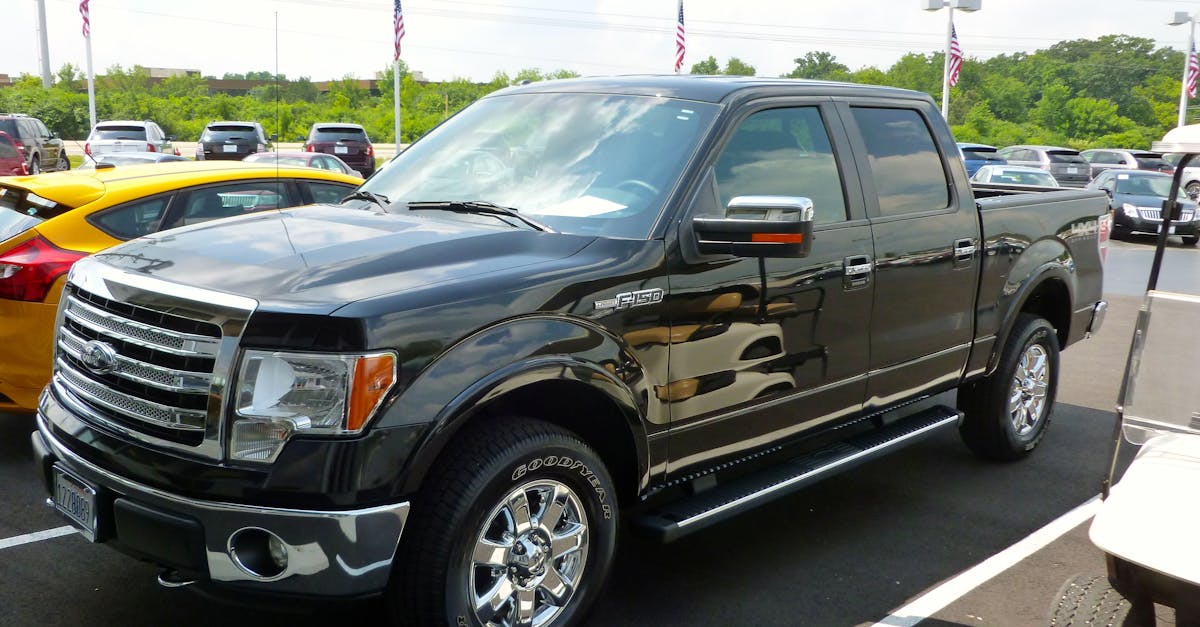
The Ford F-150 remains the most versatile all-around option, with engine variety and broad trim choices that fit work fleets and personal buyers alike. The Ram 1500 is still one of the best-riding full-size trucks, making it a smart daily driver. Chevrolet Silverado 1500 earns points for engine range and proven work-truck configurations. Toyota Tacoma continues to attract buyers who prioritize durability, resale value, and off-road credibility. GMC Sierra 1500 offers a slightly more premium version of the Silverado formula, especially appealing in upper trims. The Ford Maverick is the cost-conscious wildcard, ideal for buyers who need open-bed practicality without full-size bulk. Ford Super Duty belongs on the list because some buyers genuinely need heavy-duty towing, and underbuying can be as costly as overbuying.
Pros to this seven-truck shortlist:
- Covers compact, midsize, full-size, and heavy-duty needs
- Includes both value-focused and premium options
- Reflects models with broad dealer support and aftermarket availability
- Pricing varies dramatically by trim and drivetrain
- Availability can differ by region and fleet demand
- The best truck for towing is rarely the best truck for commuting
| Truck | Best For | Typical Strength | Watch Out For |
|---|---|---|---|
| Ford F-150 | All-around buyers | Broad engine and trim range | Option prices climb quickly |
| Ram 1500 | Daily driving comfort | Excellent ride quality | Higher trims get expensive fast |
| Chevrolet Silverado 1500 | Work use and engine variety | Strong configuration flexibility | Interior quality varies by trim |
| Toyota Tacoma | Resale and durability | Strong long-term value | Less rear-seat room than some rivals |
| GMC Sierra 1500 | Premium full-size buyers | Upscale features and bed tech | Often priced above equivalent Silverado |
| Ford Maverick | Budget and urban practicality | Lower entry cost and easier parking | Limited heavy towing capability |
| Ford Super Duty | Heavy towing and commercial use | Serious capability and payload | Ride and size can be overkill for casual buyers |
How the Top Trucks Compare in Real-World Ownership
On paper, trucks often look closer than they feel on the road. In real ownership, differences in ride tuning, cabin layout, and power delivery become obvious within the first week. The Ram 1500, for example, has long stood out for ride comfort, especially for suburban commuters who spend more time on pavement than gravel. The Ford F-150 tends to be the safest recommendation for mixed use because it offers so many workable configurations, from efficient turbo V6 models to stronger towing setups. The Silverado and Sierra pair remain practical choices for buyers who want familiar controls, wide dealer coverage, and strong fleet support.
The Toyota Tacoma is a different case. It is usually not the cheapest midsize truck once equipped well, but it often makes financial sense over five to seven years because resale values tend to stay strong. A truck that costs 3,000 dollars more upfront but returns 4,000 dollars more at trade-in can be the smarter purchase. The Ford Maverick brings another ownership advantage: lower operating costs for buyers who do not need body-on-frame heft. For a homeowner, realtor, or light-duty contractor, that can be a better answer than stretching into a larger truck with worse fuel economy and harder parking.
Use this comparison mindset:
- Compare ownership cost over five years, not just MSRP
- Test drive on the roads you actually use, including rough pavement and highways
- Sit in both front and rear seats before deciding
- Check bed height if you load heavy items by hand
| Truck | Ownership Advantage | Potential Drawback | Best Buyer Scenario |
|---|---|---|---|
| Ford F-150 | Versatility across trims and engines | Too many options can complicate shopping | Buyer needing one truck for work and family |
| Ram 1500 | Comfortable daily driving manners | Capability may come with higher trim cost | Commuter who occasionally tows |
| Chevrolet Silverado 1500 | Straightforward work-truck value | Base trims can feel basic | Fleet or small-business owner |
| Toyota Tacoma | Strong resale and durability perception | Can feel tight for rear passengers | Long-term owner prioritizing dependability |
| GMC Sierra 1500 | Premium features and strong usability | Price premium over mechanical twin | Buyer wanting upscale truck feel |
| Ford Maverick | Lower fuel and parking stress | Not ideal for serious towing | Urban or suburban light-duty user |
| Ford Super Duty | Commercial-grade capability | Large size and higher running costs | Buyer with heavy trailer or equipment needs |
Budget, Financing, and the Hidden Costs That Catch Buyers Off Guard
Truck shoppers often focus so heavily on MSRP that they miss the second layer of ownership cost. Tires for a popular half-ton truck can easily run 1,000 to 1,600 dollars a set, depending on size and brand. Insurance premiums are commonly higher than for midsize crossovers, and heavy-duty trucks can jump again because replacement parts and claim values are expensive. Fuel remains a major variable too. If your truck averages 17 mpg and you drive 15,000 miles a year, you will use roughly 882 gallons. At 3.75 dollars per gallon, that is more than 3,300 dollars annually in fuel alone.
Financing deserves equal attention. A lower monthly payment can hide a longer loan term that leaves you upside down for years. On a 58,000-dollar truck financed over 84 months, even a decent interest rate can add thousands in finance charges. That matters because trucks are frequently traded early when family needs, business conditions, or fuel prices shift. Buyers who put little money down often discover too late that accessories, taxes, and dealer add-ons pushed the real cost far above sticker.
Smart budgeting steps:
- Build your budget around total monthly ownership cost, not just the note
- Get insurance quotes before you buy, especially on lifted or premium-trim trucks
- Price replacement tires and brakes for the exact wheel size you want
- Avoid paying new-truck money for appearance packages you do not need
- More flexibility for accessories or repairs
- Better protection against depreciation
- Easier resale if the market softens
- You may give up a desired engine or convenience package
- Lower trims sometimes have weaker resale appeal than mid-grade trims
Which Truck Fits Your Lifestyle: Worksite, Family, Off-Road, or City Use
The right truck depends less on brand loyalty than on how the truck will live with you Monday through Sunday. For small-business owners, payload and bed utility often matter more than luxury features. A Silverado 1500 or F-150 in a practical trim can be a stronger business tool than a premium model with huge wheels and a shorter sidewall that rides worse and costs more to replace. If you tow enclosed trailers, pay close attention to wheelbase, integrated brake controller availability, mirror options, and cooling packages. These details affect confidence more than marketing claims do.
Family buyers should evaluate rear-seat comfort, child-seat installation, and step-in height. A Ram 1500 can make sense here because ride comfort helps on long drives, but a larger truck is not always the best answer. The Maverick or Tacoma may suit households that want truck utility without the stress of managing a full-size footprint in school pickup lines and crowded garages. Off-road buyers should be realistic too. Many people want the look of aggressive tires and trail packages but spend most of their time on asphalt, where those upgrades can add noise, reduce efficiency, and increase tire wear.
Match the truck to the job:
- Worksite use: prioritize payload, bed features, durable interior surfaces, and service network
- Family use: prioritize rear-seat room, ride comfort, safety tech, and parking ease
- Off-road use: prioritize approach angles, underbody protection, and tire choice
- City use: prioritize size, visibility, fuel economy, and low loading height
Key Takeaways: Practical Tips for Choosing the Right Pickup
If you want to buy once and avoid regret, approach truck shopping like a decision matrix rather than an emotional purchase. First, define your non-negotiables. For one buyer, that may be a payload sticker above 1,700 pounds. For another, it may be fitting two child seats without crushing front-seat legroom. Once those needs are clear, compare only the trucks and trims that actually meet them. That prevents you from being distracted by a powerful engine or flashy package that adds cost without solving your real problem.
Use these practical buying tips before signing:
- Bring your trailer weight, cargo estimate, and garage dimensions to the dealership
- Photograph the door-jamb payload sticker on every truck you seriously consider
- Test parking, turning, and bed access during the drive, not just acceleration
- Compare two trims apart, not just side-by-side rivals, because value often sits in the middle of the lineup
- Ask for out-the-door pricing with taxes, fees, accessories, and financing terms listed clearly
- Research resale trends and common owner complaints before choosing an engine or trim
Conclusion
The best 2026 pickup is not the one with the biggest tow rating or the most expensive badge. It is the one that matches your real workload, driving environment, and budget without forcing daily compromises. Start by defining what you actually haul, tow, and carry, then narrow your list to trucks that meet those numbers with room to spare. From there, compare ownership costs, test drive for comfort and visibility, and verify payload on the exact truck you plan to buy. If you follow that process, the seven trucks in this guide give you a strong place to start. Your next step is simple: shortlist three models, price them in the trims you can truly afford, and drive each one on the roads you use most.
Published on .
Share now!
SH
Sophia Hale
Author
The information on this site is of a general nature only and is not intended to address the specific circumstances of any particular individual or entity. It is not intended or implied to be a substitute for professional advice.