Published on:
8 min read
Non-Surgical Embolization: A Practical Patient Guide
Non-surgical embolization is one of those treatments that sounds more intimidating than it usually is. In practice, it is a minimally invasive procedure that can reduce bleeding, shrink certain growths, or block abnormal blood vessels without the larger incisions, longer hospital stays, and slower recovery associated with traditional surgery. This guide explains what embolization is, when doctors recommend it, what the procedure actually feels like, and how recovery typically unfolds. It also covers benefits, risks, and the questions patients should ask before saying yes, so you can evaluate the option with confidence rather than confusion. Whether you are exploring treatment for fibroids, varicose veins, liver tumors, a GI bleed, or another vascular condition, you will learn the practical details that matter most: how to prepare, what results are realistic, and how to decide whether embolization fits your goals, timeline, and tolerance for recovery.

- •What Non-Surgical Embolization Actually Is
- •Common Conditions Treated and How the Decision Is Made
- •What to Expect Before, During, and Right After the Procedure
- •Benefits, Risks, and the Questions Patients Should Ask
- •Recovery, Follow-Up, and How Results Are Measured
- •Key Takeaways and How to Decide Whether It Fits Your Situation
What Non-Surgical Embolization Actually Is
Non-surgical embolization is a minimally invasive procedure that deliberately blocks blood flow to a targeted area. Doctors use it to treat a range of conditions, from uterine fibroids and benign prostate enlargement to heavy bleeding, arteriovenous malformations, some liver tumors, and painful varicose veins. The goal is not to remove tissue with a scalpel. Instead, it is to cut off the blood supply that keeps a problem active, enlarged, or dangerous.
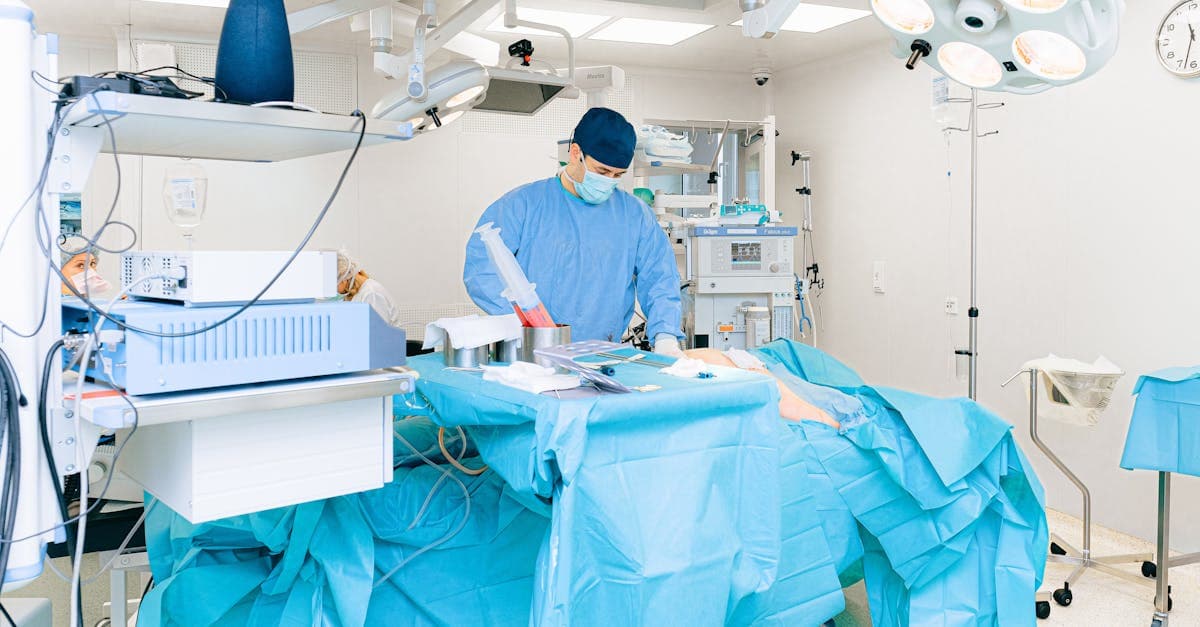
The procedure is typically performed by an interventional radiologist using imaging such as fluoroscopy. A small catheter is inserted through a blood vessel, often in the wrist or groin, then guided to the exact area that needs treatment. Tiny particles, coils, glue, foam, or other agents are released to block the vessel. For many patients, this means less tissue trauma than surgery, less time under anesthesia, and a faster return home.
Why it matters: embolization often treats the cause of symptoms instead of just masking them. For example, uterine fibroid embolization can reduce heavy menstrual bleeding and bulk pressure, while prostate artery embolization may ease urinary symptoms without prostate removal. In one real-world scenario, a patient who had been soaking through pads every hour for months may see bleeding drop dramatically within one or two cycles after treatment.
That said, embolization is not a universal fix. It works best when the target problem depends on blood supply and when the anatomy is suitable for catheter-based treatment. A careful diagnosis and imaging workup are essential before deciding if it is the right option.
Common Conditions Treated and How the Decision Is Made
Embolization is used across several specialties, but the decision process is surprisingly consistent: a specialist asks whether a specific vessel can be safely and effectively blocked to improve symptoms or control a problem. That is why the same technique can be used for a bleeding ulcer, a fibroid, or a vascular malformation, even though the underlying conditions are very different.
Common uses include:
- Uterine fibroids causing heavy periods, pelvic pressure, or anemia
- Prostate enlargement when medications stop working or side effects become burdensome
- Abnormal bleeding in the gastrointestinal tract or after trauma
- Arteriovenous malformations and aneurysms with rupture risk
- Certain liver tumors, often as part of broader cancer care
- Varicose veins in selected cases, especially when reflux is the driver
What to Expect Before, During, and Right After the Procedure
Preparation for embolization usually starts with a consultation, imaging review, and lab work. Depending on the condition, your team may check blood counts, kidney function, and clotting status. You may be asked to stop certain medications, especially blood thinners, though this must always be individualized. If you are treating fibroids or prostate symptoms, your doctor may also review prior ultrasounds, MRI scans, or symptom diaries to confirm that the treatment target is clear.
On procedure day, most patients receive local anesthesia plus sedation, though some cases use general anesthesia. The procedure itself commonly lasts one to three hours, but the timeline varies depending on how complex the vessel map is. You may feel pressure at the access site, and some patients notice warmth as contrast material is injected. The catheter work is usually not painful, but the post-procedure phase can bring cramping, soreness, or a flu-like feeling known as post-embolization syndrome.
That syndrome is common enough to plan for. It may include fatigue, low-grade fever, nausea, and localized pain for a few days. For many patients, this is the hardest part, not the procedure itself. One practical example: a person treated for uterine fibroids might go home the same day or after an overnight stay, then spend the next 48 to 72 hours resting, hydrating, and using prescribed pain medication on schedule rather than waiting until pain peaks.
You should ask in advance about driving, work, bathing, and when to restart medications. Those small logistical details often determine whether recovery feels manageable or chaotic.
Benefits, Risks, and the Questions Patients Should Ask
The biggest appeal of embolization is that it can deliver meaningful symptom relief without open surgery. For many patients, that translates into less scarring, shorter hospital stays, and a quicker return to normal life. Some return to light activity within a few days, although full recovery can take longer depending on the treated organ and the amount of tissue affected.
Benefits often include:
- Smaller access site instead of a large incision
- Lower risk of major blood loss compared with open surgery
- Shorter recovery time in many cases
- Organ- or tissue-sparing treatment options
- Repeatability in selected situations if symptoms recur
- What is the success rate for my exact condition and anatomy?
- What symptoms should improve, and how soon?
- What are the chances I will need another procedure?
- What are the alternatives, including watchful waiting and surgery?
- How experienced is the team with this specific embolization?
Recovery, Follow-Up, and How Results Are Measured
Recovery after embolization is often faster than after surgery, but it is not instant. The first few days usually require the most rest, pain control, and attention to hydration. Many people feel better within a week, yet certain conditions improve gradually over weeks or months as the body responds to reduced blood flow. That delay is important to understand, because patients sometimes expect overnight results and feel discouraged when symptoms taper off more slowly.
Follow-up care depends on the condition being treated. For fibroids, doctors may look for changes in bleeding, pressure, and anemia levels, often using hemoglobin or ferritin tests if blood loss was significant. For prostate artery embolization, the key measures may be better urine flow, fewer nighttime bathroom trips, and a lower symptom score. For vascular malformations or bleeding lesions, follow-up imaging or endoscopy may be needed to confirm that the target vessel is truly closed.
Practical recovery tips include:
- Take prescribed pain medicine on schedule for the first 24 to 72 hours
- Walk gently several times a day to reduce stiffness and clot risk
- Drink enough fluids unless your doctor says otherwise
- Watch for fever, worsening pain, redness, or bleeding at the access site
- Keep follow-up appointments even if you feel improved
Key Takeaways and How to Decide Whether It Fits Your Situation
The simplest way to think about non-surgical embolization is this: it is a targeted, image-guided way to shut down the blood flow that is feeding a problem. That makes it especially useful when symptoms are being driven by a well-defined vessel or when surgery would be more disruptive than necessary. For the right patient, the payoff can be substantial: less invasive treatment, shorter recovery, and symptom relief that improves daily life in a very direct way.
A few practical takeaways:
- Embolization is best when a specific blood supply can be safely blocked
- It is often used to treat bleeding, fibroids, prostate symptoms, vascular malformations, and some tumors
- Recovery is usually faster than with open surgery, but the first few days can still be uncomfortable
- Results may be immediate for bleeding control, or gradual for symptom relief and tissue shrinkage
- The best decision comes from comparing embolization with surgery, medication, and watchful waiting
Published on .
Share now!
HM
Harper Monroe
Author
The information on this site is of a general nature only and is not intended to address the specific circumstances of any particular individual or entity. It is not intended or implied to be a substitute for professional advice.