Published on:
10 min read
Non-Surgical Embolization: A Practical Patient Guide
Non-surgical embolization is one of the most important minimally invasive treatment options in modern medicine, yet many patients first hear the term only after a stressful diagnosis, an emergency room visit, or months of frustrating symptoms. This guide explains what embolization actually is, when doctors use it, what the procedure feels like from a patient’s perspective, and how recovery typically unfolds at home. You will learn the difference between common types of embolization, realistic benefits and tradeoffs, key questions to ask an interventional radiologist, and warning signs that deserve prompt follow-up. Whether you are considering uterine fibroid embolization, prostate artery embolization, treatment for internal bleeding, or another blood-vessel-based procedure, this article is designed to help you make more confident, practical decisions with your care team.

- •What non-surgical embolization actually is and why doctors recommend it
- •Common types of embolization and what patients can realistically expect
- •How to prepare before the procedure and the questions worth asking
- •What the day of embolization is like, from arrival to discharge
- •Recovery, side effects, and warning signs that should not be ignored
- •Benefits, limitations, costs, and how to decide if embolization is right for you
- •Key Takeaways and next steps: how to move forward with confidence
What non-surgical embolization actually is and why doctors recommend it
Embolization is a minimally invasive procedure that deliberately blocks one or more blood vessels to stop bleeding, shrink abnormal tissue, or reduce blood flow to a problem area. Instead of making a large incision, an interventional radiologist usually threads a thin catheter through an artery, often from the wrist or groin, and uses imaging guidance to deliver tiny particles, coils, glue-like agents, or plugs. The goal is precise treatment with less disruption to the rest of the body.
Patients most often hear about embolization in four situations: uterine fibroids causing heavy periods, enlarged prostate causing urinary symptoms, active internal bleeding after trauma or surgery, and tumors or vascular malformations that need blood supply reduced. In the United States, uterine fibroid embolization has been used for decades, and multiple studies have shown high symptom improvement rates, often around 85 to 90 percent for heavy bleeding and bulk symptoms in properly selected patients. That matters because it offers an option between medication and major surgery.
Why doctors recommend it depends on the problem being treated, but common reasons include shorter hospital stays, less blood loss, and faster return to daily life. A patient with severe nosebleeds, for example, may avoid repeated packing or surgery. A patient with postpartum hemorrhage may receive life-saving bleeding control in minutes.
Still, minimally invasive does not mean minor.
Pros:
- Usually no large incision
- Often shorter recovery than open surgery
- Can treat difficult-to-reach bleeding sources
- Not every condition is suitable
- Some patients need repeat treatment
- There are real risks, including pain, fever, or non-target embolization
Common types of embolization and what patients can realistically expect
The word embolization covers several different procedures, and that distinction matters because recovery, success rates, and long-term expectations are not identical. Uterine fibroid embolization, often called UFE, is used for symptomatic fibroids that cause heavy menstrual bleeding, pelvic pressure, anemia, or frequent urination. Prostate artery embolization, or PAE, is used for benign prostatic hyperplasia when urinary symptoms such as weak stream, urgency, or nighttime waking become disruptive. Arterial embolization is also used to stop gastrointestinal bleeding, control trauma-related hemorrhage, treat varicoceles, and reduce blood flow to some tumors before surgery.
A real-world example helps. A 42-year-old with fibroids and a hemoglobin of 9.2 g/dL after months of heavy bleeding may be offered UFE instead of hysterectomy if preserving the uterus matters to her and imaging shows suitable anatomy. A 68-year-old waking five times nightly to urinate despite medication may discuss PAE if he wants to avoid more invasive prostate surgery. A trauma patient with a pelvic fracture may undergo emergency embolization to stop life-threatening bleeding within hours of injury.
What patients should expect depends on the indication. UFE commonly causes cramping and fatigue for several days. PAE often leads to gradual improvement over weeks rather than overnight change. Emergency embolization is different again, because the priority is stabilization, not comfort or convenience.
The key question is not, “Does embolization work?” It is, “Does this specific embolization work well for my diagnosis, anatomy, symptom severity, and goals?” A strong consultation should include expected success rates, alternatives, likelihood of repeat treatment, and how your age, fertility plans, kidney function, or medication list could change the recommendation.
How to prepare before the procedure and the questions worth asking
Preparation is where patients can prevent avoidable surprises. Most embolization procedures involve blood tests, imaging review, medication adjustments, and fasting instructions. If you take blood thinners such as apixaban, rivaroxaban, warfarin, or clopidogrel, your team will give a specific plan for stopping and restarting them. Do not make those changes on your own. Kidney function also matters because contrast dye is commonly used, so a recent creatinine test may be required, especially if you have diabetes, chronic kidney disease, or are over 65.
For women considering UFE, MRI often helps confirm that fibroids are actually the main cause of symptoms and that another issue, such as adenomyosis, is not being missed. For men considering PAE, symptom scoring tools like the International Prostate Symptom Score can establish a baseline. That baseline matters later, because it turns vague impressions into measurable improvement.
Bring a written list of questions to the consult. The most useful ones are practical, not abstract:
- What exactly are you treating, and how certain is the diagnosis?
- What embolic material will you use and why?
- How many of these procedures do you perform each year?
- What are the most common reasons patients need repeat treatment?
- What pain should I expect in the first 72 hours?
- When can I drive, work, exercise, and have sex again?
What the day of embolization is like, from arrival to discharge
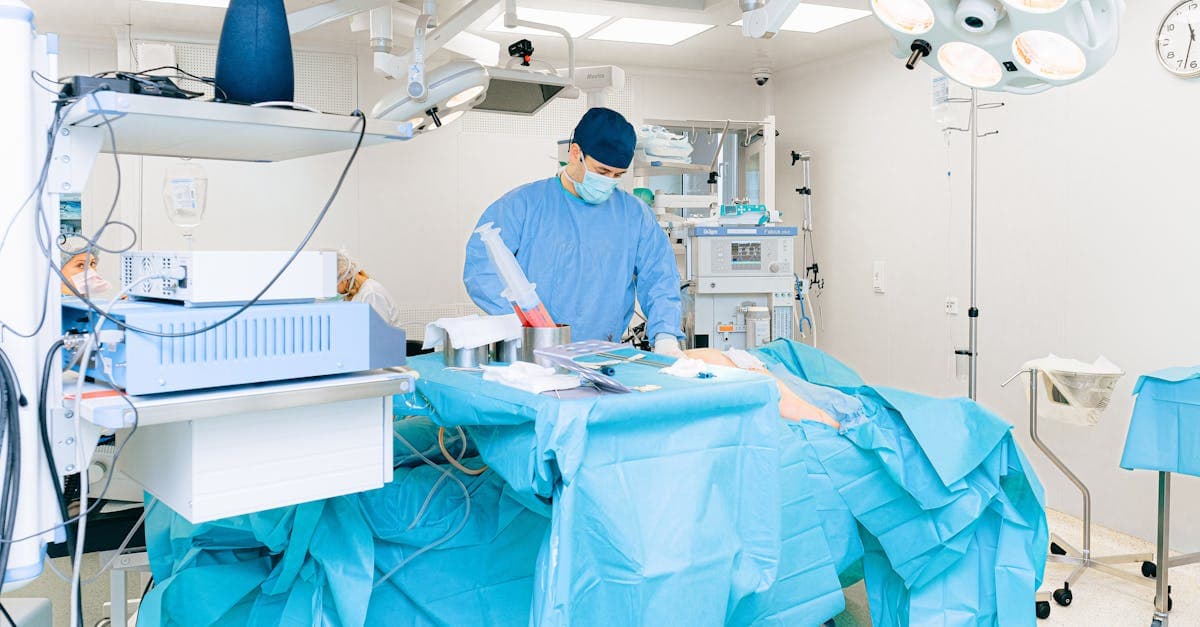
On procedure day, most patients check in a few hours early, change into a gown, and have an IV placed for fluids, medications, and sometimes antibiotics. A nurse reviews allergies, current medications, and when you last ate or drank. Depending on the procedure and facility, you may receive moderate sedation, monitored anesthesia care, or less commonly general anesthesia. Many patients are surprised that they are not fully unconscious for every embolization. That is normal and often safer.
The procedure itself usually takes one to three hours. After numbing the skin, the physician accesses an artery, commonly at the wrist or groin, and advances a catheter under live X-ray guidance. You generally should not feel the catheter moving inside blood vessels, but you may notice pressure at the access site or brief warmth when contrast is injected. Once the target vessels are identified, the embolic material is delivered carefully until blood flow is reduced or stopped as planned.
Afterward, recovery focuses on bleeding control at the access site, pain management, nausea prevention, and monitoring vital signs. Some patients go home the same day; others stay overnight. If you had UFE, cramping can intensify in the first several hours and may require stronger medication. If you had PAE, pelvic discomfort or urinary irritation may be more noticeable than dramatic pain.
What matters most is discharge clarity. Before leaving, you should know:
- Which symptoms are expected versus concerning
- Exactly when to restart medications
- How to care for the wrist or groin access site
- What level of activity is safe for the next week
Recovery, side effects, and warning signs that should not be ignored
Recovery is usually shorter than recovery from major surgery, but it is not always easy. Many patients underestimate the first few days. Fatigue, low appetite, soreness, and temporary inflammation are common. After UFE, a cluster of symptoms called post-embolization syndrome can include pelvic pain, nausea, low-grade fever, and malaise for several days. After PAE, urinary burning, pelvic pressure, or temporary symptom fluctuation can occur before improvement begins. Emergency embolization recovery varies widely because the underlying illness or injury often drives how you feel.
A useful rule of thumb is this: expected symptoms should slowly trend better, even if not in a straight line. Cramping that improves with medication is different from pain that becomes severe and relentless. A low-grade temperature under 100.4 degrees Fahrenheit can be expected in some cases, but persistent fever, shaking chills, foul-smelling discharge, or worsening weakness deserve prompt medical review.
Call your care team urgently if you notice:
- Heavy bleeding from the catheter site
- A rapidly enlarging groin or wrist bruise
- New shortness of breath or chest pain
- Severe uncontrolled pain
- Leg coldness, color change, numbness, or loss of pulse
- Inability to urinate when that would be unusual for you
Benefits, limitations, costs, and how to decide if embolization is right for you
Embolization can be an excellent option, but it is not automatically the best one. Its biggest strength is targeted treatment with less physical disruption than open surgery. For the right patient, that can mean less blood loss, fewer nights in the hospital, and a quicker return to work. In fibroid care, for example, many women return to desk work in about one to two weeks instead of the longer recovery often associated with abdominal surgery. In bleeding emergencies, embolization can be organ-sparing and life-saving.
But the limitations are real. Symptoms may improve gradually rather than immediately. Some patients need repeat procedures. Fertility discussions are especially important in uterine cases because the impact depends on age, ovarian reserve, fibroid location, and future pregnancy plans. Likewise, PAE may improve urinary symptoms without matching the degree of flow improvement seen with some surgical procedures in certain patients.
Cost and insurance matter too. In the United States, embolization is often covered when medically indicated, but out-of-pocket expenses can still vary dramatically depending on facility fees, imaging, anesthesia, pathology, and deductible structure. Ask for a procedure code estimate before scheduling if cost is a concern.
A practical way to decide is to compare four things:
- How severe are your symptoms today?
- What is the downside of waiting?
- What alternative treatments exist for your exact diagnosis?
- Which tradeoffs matter most to you: recovery time, durability, fertility, organ preservation, or immediate symptom relief?
Key Takeaways and next steps: how to move forward with confidence
If you remember only a few points, remember these. Non-surgical embolization is not one single treatment but a family of image-guided procedures used to block blood flow for a therapeutic reason. It can control bleeding, shrink fibroids, improve urinary symptoms from enlarged prostate, and support treatment of other vascular or tumor-related problems. For many patients, the biggest advantage is meaningful treatment without a large incision. The biggest mistake is assuming that minimally invasive means casual or risk-free.
Here are practical steps you can take this week:
- Ask for the exact name of the embolization being proposed, not just the word embolization
- Request copies of your imaging reports and recent lab results
- Write down your top three goals, such as less bleeding, fewer nighttime bathroom trips, preserving the uterus, or shorter recovery time
- Ask your doctor how success will be measured at 1 month, 3 months, and 1 year
- Confirm the plan for pain control, follow-up visits, and emergency contact after discharge
Published on .
Share now!
SB
Samuel Blake
Author
The information on this site is of a general nature only and is not intended to address the specific circumstances of any particular individual or entity. It is not intended or implied to be a substitute for professional advice.