Published on:
10 min read
LASIK Buying Guide: Costs, Risks, and Best Options
LASIK can be life-changing, but it is also one of the easiest medical purchases to misunderstand. Advertised prices often leave out essential testing, enhancement policies vary widely, and the “best” clinic is not always the one with the newest laser or the lowest quote. This guide breaks down what LASIK actually costs, who makes a good candidate, how risks compare with alternatives like PRK and SMILE, and what questions to ask before you commit. You will also get practical tips on reading clinic offers, comparing financing options, and spotting red flags that matter more than slick marketing. If you want to make a confident, informed decision instead of buying eye surgery like a coupon deal, this article gives you the framework to do it.

- •Why LASIK Shopping Is Different From Buying Almost Anything Else
- •What LASIK Really Costs and How to Compare Quotes Fairly
- •LASIK vs PRK vs SMILE: Which Option Fits Which Patient?
- •Risks, Side Effects, and the Questions Good Surgeons Welcome
- •How to Choose the Best Clinic, Surgeon, and Technology Without Falling for Marketing
- •Key Takeaways: Practical Tips to Save Money, Reduce Risk, and Make a Confident Choice
- •Conclusion
Why LASIK Shopping Is Different From Buying Almost Anything Else
LASIK is often marketed like a retail product, but it behaves more like a high-stakes medical service. That distinction matters. A clinic can advertise a low headline number, then add separate charges for pre-op testing, surgeon fees, custom wavefront mapping, post-op medications, and future enhancements. In the US, many patients still see promotions under $1,000 per eye, yet the typical all-in price at reputable centers commonly lands closer to roughly $2,000 to $3,500 per eye depending on technology, geography, and surgeon experience. In large metro areas such as New York, Los Angeles, or Chicago, premium treatment can run even higher.
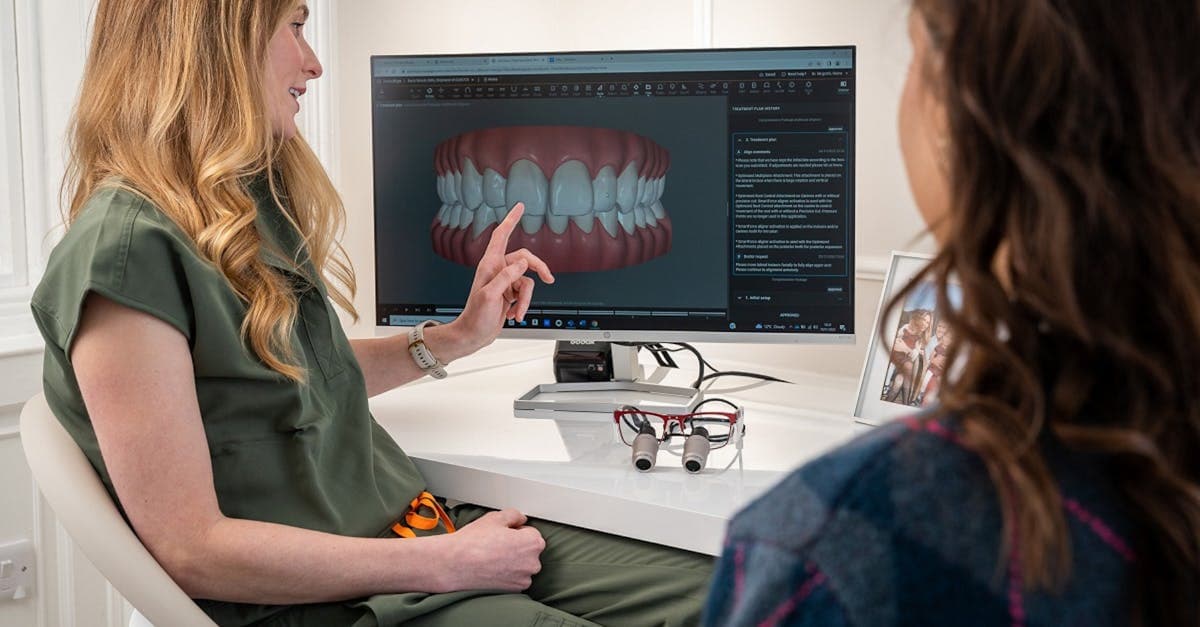
The reason comparison shopping feels confusing is that LASIK outcomes depend on more than the laser brand. Your corneal thickness, prescription stability, dry eye status, pupil size, age, and visual goals all affect the recommendation. A 29-year-old software engineer with moderate myopia and healthy corneas may be an ideal LASIK candidate. A 41-year-old with early presbyopia, chronic dry eye, and borderline corneal thickness may be better served by PRK, SMILE, or even staying in contacts.
Why it matters: buying the “cheapest LASIK” can be shortsighted if that quote excludes the surgeon you want or the procedure you actually need.
Here is the practical lens to use when shopping:
- Compare total treatment cost, not ad pricing
- Ask whether follow-up visits are included
- Confirm who performs each step of surgery
- Review enhancement and retreatment policy in writing
- Prioritize candidacy and safety over convenience
What LASIK Really Costs and How to Compare Quotes Fairly
The biggest pricing mistake patients make is comparing dissimilar packages. One clinic may quote $1,798 per eye for “basic LASIK,” while another quotes $2,795 per eye for bladeless, wavefront-guided treatment with one year of follow-up and an enhancement plan. The second option may actually be the better value if your prescription and corneal profile benefit from customized treatment.
National pricing surveys and clinic disclosures show a wide range, but a realistic budgeting framework in 2025 is this: standard LASIK often falls around $1,500 to $2,500 per eye, while premium bladeless or custom-guided procedures frequently range from about $2,200 to $3,500 per eye. SMILE and PRK can land in a similar band depending on market and surgeon. Many clinics offer financing through medical lenders, commonly with 12 to 24 months promotional terms for qualified borrowers.
What should be included in a quote:
- Initial evaluation and corneal mapping
- Surgeon fee and facility fee
- Technology used, such as femtosecond laser or wavefront guidance
- Post-op visits for at least the first year
- Enhancement terms if vision regresses
- Medication costs or whether they are extra
LASIK vs PRK vs SMILE: Which Option Fits Which Patient?
The best option is not the most advertised one. LASIK remains the most recognized procedure because recovery is fast and visual improvement often feels dramatic within 24 to 48 hours. But PRK and SMILE are strong alternatives, especially for patients who are not ideal LASIK candidates.
LASIK usually works well for adults with stable prescriptions, healthy corneas, and sufficient corneal thickness. PRK removes the corneal surface layer instead of creating a flap, which can make it useful for patients with thinner corneas or people in impact-heavy professions where flap concerns matter. SMILE, a newer small-incision procedure for certain myopia cases, may reduce some dry eye symptoms for selected patients, though availability and surgeon experience are more variable.
Pros and cons matter more than branding:
- LASIK pros: rapid recovery, minimal discomfort for many patients, broad availability
- LASIK cons: flap-related risks, dry eye can worsen temporarily, not ideal for every cornea
- PRK pros: no flap, good option for thin corneas, durable for athletes and military applicants
- PRK cons: slower recovery, more discomfort in the first few days, longer visual stabilization
- SMILE pros: small incision, often appealing for myopia, potentially less nerve disruption
- SMILE cons: not as universally available, enhancement approach may differ, candidacy range is narrower
Risks, Side Effects, and the Questions Good Surgeons Welcome
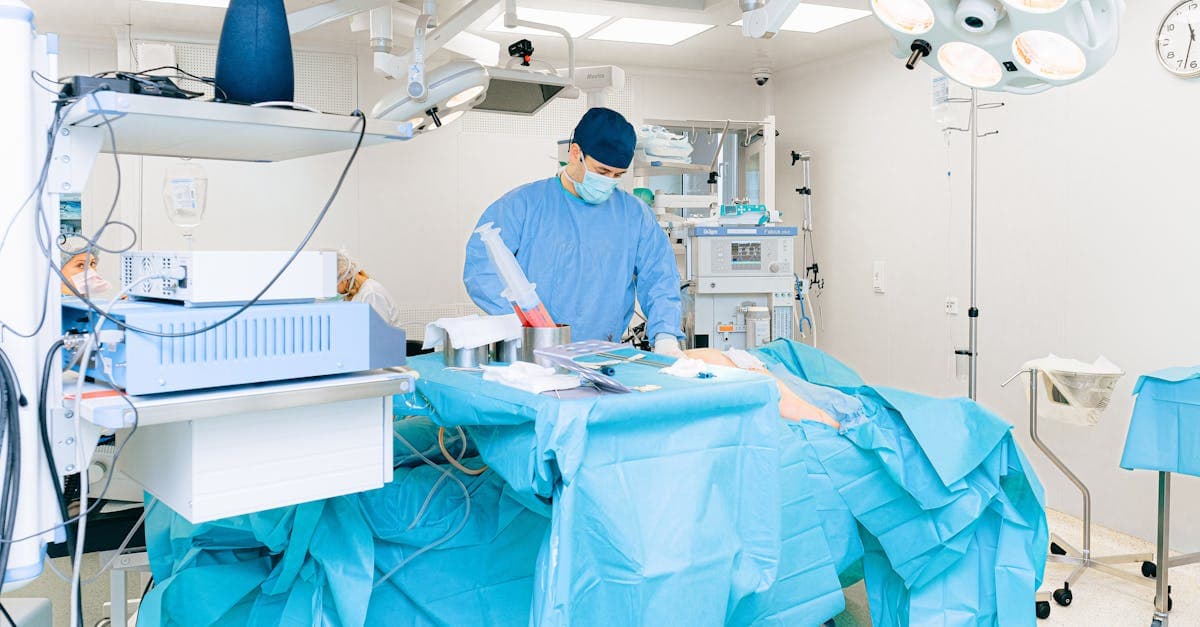
LASIK has a strong safety record, and millions of procedures have been performed worldwide, but no eye surgery is risk-free. Most side effects are temporary and manageable, yet patients should understand the full picture before consenting. Common short-term issues include dryness, halos, glare, fluctuating vision, and light sensitivity. These often improve over weeks to months. The more meaningful concern is that a small subset of patients experiences persistent symptoms or dissatisfaction, especially if candidacy screening was weak.
The FDA and major ophthalmology groups emphasize informed consent for a reason. Satisfaction rates reported in peer-reviewed studies are generally high, often above 90 percent, but high satisfaction does not mean zero complications. A buyer should pay attention to how seriously a clinic handles dry eye testing, topography, and expectation setting. If a center promises “perfect vision” to everyone, that is a red flag.
Questions worth asking at your consultation:
- Am I a strong candidate, or just an acceptable one?
- What is my corneal thickness and residual stromal bed after treatment?
- What are my specific dry eye risks?
- How many procedures like mine has the surgeon performed?
- What percentage of your patients need enhancements?
- If I still need glasses for night driving or reading later, what is the plan?
How to Choose the Best Clinic, Surgeon, and Technology Without Falling for Marketing
Patients often fixate on laser brand names, but surgeon judgment and screening quality usually matter more. A premium femtosecond laser is valuable, yet it cannot rescue poor patient selection or weak postoperative care. The best clinic for you is the one that combines careful diagnostics, transparent pricing, realistic counseling, and a surgeon with substantial case volume in patients similar to you.
Look for evidence beyond testimonials. Board certification, fellowship training in cornea or refractive surgery, and years of experience all help, but ask more pointed questions. A surgeon who has performed 20,000 procedures is impressive; a surgeon who can explain outcomes for high myopia, astigmatism, or dry eye cases like yours is more useful. Also pay attention to whether the consultation feels rushed. If you spend 45 minutes with a counselor and 3 minutes with the doctor, that tells you something.
Signs of a stronger LASIK provider:
- Comprehensive testing before any price discussion
- Written explanation of candidacy and alternatives
- Clear enhancement policy with timeline and eligibility rules
- Post-op access for urgent concerns after hours
- Reviews that mention communication, not just “great staff”
- Bait pricing that applies to very few patients
- Pressure to book surgery the same day for a discount
- Vague answers about complication rates or dry eye screening
- No discussion of PRK or non-surgical alternatives
Key Takeaways: Practical Tips to Save Money, Reduce Risk, and Make a Confident Choice
If you are serious about LASIK, the goal is not just to find a good price. The goal is to get the right procedure from the right surgeon under conditions that make complications less likely and outcomes more predictable. That requires a disciplined buying process.
Start with two or three consultations, ideally at clinics with different pricing models. Bring your current prescription, contact lens history, and a list of visual priorities. For example, a night-shift nurse may care more about low-glare night vision than a small price difference. A parent of young children may value the fastest recovery possible. These details should shape the recommendation.
Use this short checklist:
- Stop wearing contact lenses as instructed before evaluation so measurements are accurate
- Ask for your corneal topography and thickness data in plain English
- Compare all-in pricing, not promotional headlines
- Ask whether enhancements are free, discounted, or full price later
- Use HSA or FSA funds if available
- Read the consent forms before surgery day, not while anxious in the office
- Make sure you understand age-related reading vision changes
Conclusion
LASIK can deliver excellent freedom from glasses or contacts, but the smartest purchase is based on candidacy, total cost, surgeon quality, and honest expectations, not flashy discounts. Focus on the full package: diagnostics, technology, follow-up care, enhancement policy, and the surgeon’s willingness to explain alternatives like PRK or SMILE. If you remember one thing, let it be this: a clinic that screens you out when necessary is often more trustworthy than one that rushes to book you. Your next step is simple and actionable. Schedule two or three consultations, compare all-in quotes line by line, ask the hard questions about risk and retreatment, and use pre-tax funds if you have them. Better vision is worth pursuing, but only after you have bought it wisely.
Published on .
Share now!
HM
Harper Monroe
Author
The information on this site is of a general nature only and is not intended to address the specific circumstances of any particular individual or entity. It is not intended or implied to be a substitute for professional advice.