Published on:
10 min read
Kitchen Remodeling Guide: Best Choices for Every Budget
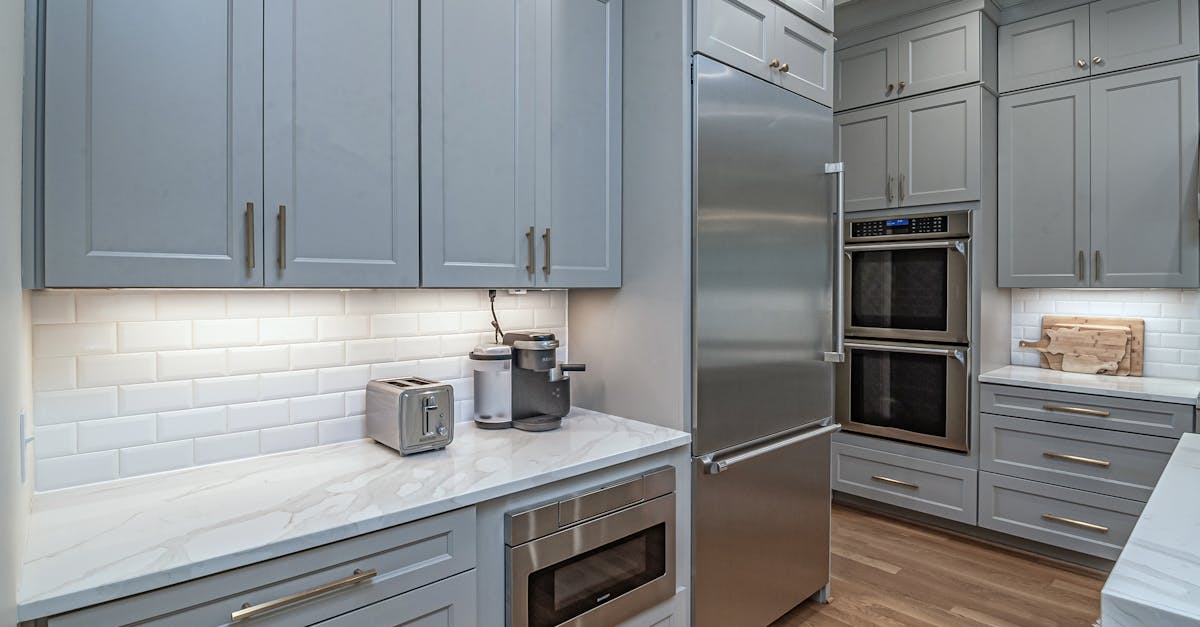
A kitchen remodel can raise daily quality of life and improve resale appeal, but the smartest upgrade path depends on your budget, layout, and priorities. This guide breaks down what to spend on, where to save, and how to avoid common mistakes whether you are refreshing a tired kitchen for a few thousand dollars or planning a full renovation into the six-figure range. You will find practical advice on cabinets, countertops, appliances, lighting, labor, and design decisions, along with realistic budget ranges, trade-offs, and examples of how different homeowners can approach the same space in very different ways. The goal is not to push expensive finishes, but to help you make durable, high-impact choices that match how you cook, clean, entertain, and live every day.
- •Start With Budget Reality, Not Pinterest Fantasy
- •Where to Spend and Where to Save for Maximum Impact
- •Cabinets, Countertops, and Appliances: Best Choices by Budget Level
- •Layout, Lighting, and Storage Upgrades That Improve Everyday Use
- •Flooring, Backsplash, and Finishing Details That Make a Kitchen Feel Complete
- •How to Hire Well, Avoid Costly Mistakes, and Keep the Project on Track
- •Key Takeaways and the Best Next Steps for Your Remodel
Start With Budget Reality, Not Pinterest Fantasy
The fastest way to overspend on a kitchen remodel is to begin with inspiration photos instead of a budget framework. In the real world, kitchen remodels vary widely by market, home value, and scope. In many U.S. markets, a cosmetic refresh may land between $5,000 and $20,000, a mid-range remodel often falls around $25,000 to $60,000, and a high-end renovation can exceed $80,000 once layout changes, custom cabinets, premium appliances, and structural work are involved. Labor alone can consume 25 to 35 percent of the budget, especially if plumbing and electrical lines move.
A useful rule is to align spending with the home. Many remodelers suggest keeping the kitchen investment in proportion to neighborhood values so you do not over-improve for resale. A $90,000 luxury kitchen in a starter-home area may not come back at sale, while a dated kitchen in an otherwise updated home can drag perceived value down quickly.
Think in three lanes:
- Under $15,000: paint, hardware, lighting, backsplash, sink, faucet, and selective appliance replacement
- $15,000 to $50,000: semi-custom cabinets, new counters, flooring, upgraded lighting, and some layout refinement
- $50,000 and up: custom cabinetry, wall removal, relocation of gas or plumbing, luxury surfaces, and integrated appliances
Where to Spend and Where to Save for Maximum Impact
Not every kitchen element deserves equal money. The best remodels feel expensive because the homeowner spent strategically, not because every single item was top tier. Cabinets usually command the largest share, often 25 to 35 percent of the total, because they influence storage, layout, and visual impact. If your current cabinet boxes are structurally sound, refacing or repainting can deliver a dramatic change for a fraction of replacement cost.
Countertops are another area where material choice changes the budget fast. Quartz remains popular because it offers strong stain resistance and low maintenance. Laminate has improved significantly in appearance and can work surprisingly well in budget projects. Natural marble looks beautiful but requires more care, which matters if the kitchen sees heavy daily use.
Here is the trade-off many homeowners miss:
- Spend more on: cabinet function, drawer hardware, task lighting, ventilation, and durable counters
- Save on: trendy tile shapes, open shelving that replaces useful storage, pot fillers, and ultra-premium brand markups
- Better daily workflow
- Fewer repairs and replacements
- Higher buyer appeal if you sell within five to seven years
- Lower practical return
- Faster trend fatigue
- Budget pressure that forces compromises elsewhere
Cabinets, Countertops, and Appliances: Best Choices by Budget Level
If you want the biggest visual and functional payoff, focus on the cabinet-countertop-appliance trio. These three categories drive most kitchen decisions, and choosing the right level in each prevents a lopsided remodel where one item looks premium and everything else feels leftover.
For tight budgets, stock cabinets from big-box retailers can work if you verify box construction, hinge quality, and lead times. Pair them with laminate or entry quartz counters and a dependable appliance package from brands known for service availability. For a rental, starter home, or light-use kitchen, that combination is often more sensible than stretching for luxury finishes.
For mid-range budgets, semi-custom cabinets offer better sizing flexibility and storage add-ons such as pull-out trash, spice drawers, and tray dividers. That is usually where efficiency improves most. Appliance-wise, prioritize reliability and venting over brand prestige. A $1,200 to $2,500 range and a properly sized hood often matter more than smart-screen features that age quickly.
For high-end remodels, custom cabinets make sense when the room has unusual dimensions, very specific storage needs, or architectural goals such as flush panels and integrated refrigeration. But premium spending still needs discipline.
A balanced comparison helps clarify the choice.
| Budget Level | Cabinet Strategy | Countertop Choice | Appliance Approach |
|---|---|---|---|
| Under $15,000 | Paint or reface existing cabinets, or use stock units | Laminate, butcher block, or entry-level quartz | Replace only the worst-performing appliances |
| $15,000 to $50,000 | Semi-custom cabinets with better storage features | Quartz or durable granite | Full package focused on reliability and ventilation |
| $50,000+ | Custom cabinetry tailored to layout and use | Premium quartzite, porcelain slab, or high-grade quartz | Integrated or premium appliances with professional-grade hood |
Layout, Lighting, and Storage Upgrades That Improve Everyday Use
The most satisfying kitchen remodels are usually not the ones with the most expensive finishes. They are the ones that make cooking easier at 7 p.m. on a Tuesday. Layout is the foundation. If your sink, refrigerator, and range are too far apart or blocked by traffic, the kitchen feels frustrating no matter how pretty it looks. That said, moving plumbing or gas lines can add thousands, so improve flow where possible before committing to a major reconfiguration.
Storage is where many remodels win or lose. Deep drawers for pots often outperform lower cabinets with shelves. Pantry pull-outs help visibility, but too many narrow accessories can inflate cost quickly. One strong approach is to add utility in only the most-used zones: trash near prep space, drawers near the range, and vertical tray storage near ovens.
Lighting is a high-value upgrade that remains underused in budget planning. A layered plan typically includes ambient ceiling light, focused task light under cabinets, and decorative fixtures over an island or dining area. LED under-cabinet strips can make a $30 backsplash look better than it is.
Pros of layout and storage improvements:
- Faster meal prep and cleanup
- Better accessibility for aging in place
- More usable space without expanding the footprint
- Higher permit and labor costs
- Longer project timeline
- Greater risk of hidden plumbing or electrical surprises
Flooring, Backsplash, and Finishing Details That Make a Kitchen Feel Complete
Finishes are where many homeowners either sharpen a remodel or accidentally make it look cheaper than it was. Flooring should balance durability, comfort, and continuity with adjoining spaces. Luxury vinyl plank has grown because it resists moisture, wears well, and often costs far less than hardwood. Tile remains excellent for wet zones, but grout maintenance and hardness underfoot can be drawbacks in busy family kitchens.
Backsplashes are often overcomplicated. A simple subway tile or large-format porcelain can look cleaner and cost less to install than highly patterned mosaics. If the countertop has strong movement, keeping the backsplash quiet usually creates a more expensive overall look. The reverse is also true: pairing a budget countertop with a well-chosen backsplash can elevate the room noticeably.
Small details have an outsized effect:
- Hardware in a consistent finish helps cabinets feel intentional
- A deeper sink can improve cleanup without major plumbing changes
- Soft-close hinges and full-extension drawers add daily comfort
- Matte paint and warm white lighting often create a calmer visual finish than overly cool tones
- Lower installation cost
- Easier long-term maintenance
- More timeless look for resale
- Faster style burnout
- Harder material matching later if repairs are needed
- Design decisions that can date the kitchen within a few years
How to Hire Well, Avoid Costly Mistakes, and Keep the Project on Track
Even a smart design can fail if the execution is sloppy. Contractor selection matters as much as material selection. Get at least three detailed bids and compare scope line by line. A quote that is $12,000 lower may simply exclude electrical updates, drywall repair, permit fees, or demolition hauling. Ask who is responsible for ordering materials, managing inspections, and resolving damaged deliveries.
Payment structure is another major checkpoint. Avoid large upfront payments that are not tied to actual milestones. A reasonable schedule typically includes a deposit, then progress payments connected to demolition, rough-in, cabinet installation, and final completion. Always get change-order pricing in writing before extra work begins.
A practical buyer-style checklist can save thousands.
| Decision Area | Smart Move | Common Mistake |
|---|---|---|
| Bids | Compare scope and allowances line by line | Choosing the cheapest total without checking exclusions |
| Timeline | Build in a 10 to 20 percent schedule cushion | Assuming every delivery arrives on time |
| Contingency | Reserve 10 to 15 percent for surprises | Spending the full budget before demolition |
| Permits | Confirm permit responsibility in the contract | Assuming small electrical or plumbing changes need no approval |
Key Takeaways and the Best Next Steps for Your Remodel
A successful kitchen remodel is less about having the biggest budget and more about making coherent decisions. Homeowners who get the best outcomes usually do five things well: they set a realistic number early, protect money for labor and contingencies, prioritize function over trend, simplify finish choices, and insist on detailed contractor communication. Those habits matter whether you are spending $8,000 or $80,000.
If you want practical next steps, start here:
- Measure the kitchen and document what frustrates you now
- Separate must-haves from wish-list upgrades
- Get rough pricing for cabinets, counters, appliances, and labor before finalizing design
- Keep a contingency fund of at least 10 percent, and closer to 15 percent in older homes
- Spend on storage, lighting, and ventilation before decorative extras
- Choose materials based on how you actually cook, clean, and maintain your home
Published on .
Share now!
ES
Ethan Summers
Author
The information on this site is of a general nature only and is not intended to address the specific circumstances of any particular individual or entity. It is not intended or implied to be a substitute for professional advice.