Published on:
8 min read
10 Timeless Principles of Japanese Garden Design to Transform Your Space
Japanese gardens are renowned for their tranquility and beauty, offering a serene escape from the hustle and bustle of everyday life. By understanding and applying key design principles, you can create a peaceful oasis in your own space.
Embrace Asymmetry and Balance
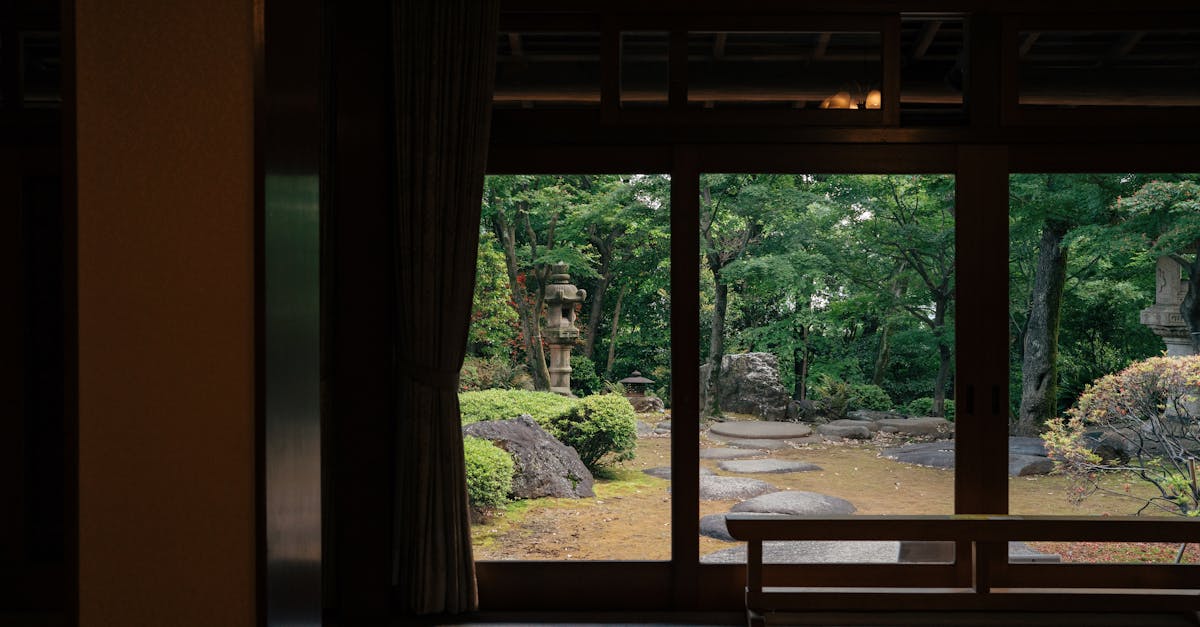
One of the core principles of Japanese garden design is the concept of asymmetry, which often reflects the natural balance found in nature. Unlike Western garden designs that frequently aim for symmetry, in a Japanese garden, elements are arranged in a way that feels balanced yet unconventional. This might mean placing larger rocks or boulders off-center with plants surrounding them to lead the eye through the garden space. This asymmetrical balance invites exploration, offering varying perspectives as you wander through the area, ultimately creating a more harmonious and calming experience.
Incorporate Water Features
Water is a vital element in Japanese gardens, symbolizing purity and providing a sense of tranquility. Incorporating a pond, stream, or a simple water bowl can enhance the sensory experience of your garden. The sound of flowing water can drown out urban noise, while reflections on the water's surface offer visual depth and intrigue. Consider adding stepping stones or a small bridge to create an inviting path across the water. This not only enhances aesthetics but also fosters a connection to nature, promoting peace and mindfulness as one observes the rhythmic patterns of movement and stillness.
Use Symbolism in Plant Selection
The selection of plants in a Japanese garden often serves symbolic meanings and aesthetic functions. For instance, cherry blossoms symbolize the fleeting nature of life, while bamboo represents resilience and flexibility. Planting a mix of seasonal flowers, evergreens, and unique trees such as Japanese maple can provide year-round interest and convey deeper meanings. Additionally, the arrangement should reflect the principles of 'Wabi-Sabi', celebrating the beauty found in imperfection and transience. This thoughtfulness in plant selection enhances the emotional experience of the garden and invites contemplation and reflection as the seasons change.
The Importance of Pathways and Movement
In Japanese garden design, pathways are essential for guiding visitors through the space while creating a variety of experiences. The paths should be designed to encourage slow, mindful walking, allowing individuals to appreciate the surroundings fully. Materials can range from gravel to stone, and the route can subtly zigzag or curve, creating an illusion of distance and discovery. Incorporating lanterns or subtle lighting along the paths can enhance evening strolls. By thoughtfully designing the movements within your garden, you cultivate a journey of connection with nature, encouraging both curiosity and serenity in the heart of the space.
Conclusion
Integrating these ten timeless principles of Japanese garden design can transform your space into a serene haven of tranquility. By embracing asymmetry, incorporating water features, selecting symbolic plants, and carefully designing pathways, you can cultivate an environment that not only beautifies your surroundings but also nurtures your mind and spirit. Whether you are a seasoned gardener or just starting, these principles allow you to explore creativity while finding balance and peace in nature.
Published on .
Share now!