Published on:
10 min read
Invisalign Clear Braces: Buyer’s Guide to the Best Fit
Choosing Invisalign is not as simple as picking clear aligners and waiting for straighter teeth. The real decision involves understanding whether your case is a good match, how provider experience affects outcomes, what treatment will realistically cost, and which lifestyle tradeoffs matter once you are wearing trays 20 to 22 hours a day. This guide breaks down the practical side of buying Invisalign: candidacy, pricing, provider selection, common mistakes, and how to compare options without getting distracted by marketing. You will also find balanced pros and cons, realistic timelines, and specific questions to ask at a consultation so you can make a confident decision based on fit, not hype.
- •Why Invisalign Appeals to Adults and Teens
- •Are You a Good Candidate for Invisalign?
- •What Invisalign Really Costs and What Drives the Price
- •How to Choose the Right Provider, Not Just the Right Brand
- •Comparing Invisalign With Braces and At-Home Aligners
- •Key Takeaways: Practical Tips Before You Commit
- •Conclusion
Why Invisalign Appeals to Adults and Teens
Invisalign has become one of the most recognizable names in orthodontics because it promises something traditional braces never could: a less visible path to a better smile. For adults in client-facing jobs, college students, and image-conscious teens, that matters. Clear aligners are designed to fit snugly over teeth, and in many cases, casual observers do not notice them unless they are looking closely. That cosmetic advantage is a major reason patients often ask about Invisalign before they ask about metal braces.
The appeal goes beyond appearance. Aligners are removable, which means no food restrictions. You can eat popcorn, apples, nuts, or chewy bread without worrying about brackets breaking. Oral hygiene is also easier because brushing and flossing happen without wires in the way. For many patients, that convenience is what turns interest into action.
Still, convenience has a cost: discipline. Invisalign typically needs to be worn 20 to 22 hours per day. Miss that target regularly, and treatment can stall. In real-world terms, someone who removes aligners for long lunches, coffee breaks, and social events may add months to the process.
The biggest benefits usually include:
- Better aesthetics during treatment
- Easier brushing and flossing
- Fewer emergency visits for broken hardware
- More comfort for some patients compared with brackets and wires
- Requires strong daily compliance
- Can be misplaced or damaged
- May not be ideal for every complex bite issue
- Attachments can make teeth look less “invisible” than advertisements suggest
Are You a Good Candidate for Invisalign?
Not every orthodontic case is equally suited to Invisalign, and that is where buyers often make their first mistake. They assume clear aligners are always a direct substitute for braces. In reality, success depends on the type and severity of the tooth movement needed. Mild to moderate crowding, spacing, and many simple bite corrections are commonly treated well with Invisalign. More complex movements, such as severe rotations, significant vertical problems, or major jaw discrepancies, may require braces, attachments, elastics, or a hybrid plan.
A practical example: an adult with 3 millimeters of front-tooth crowding and otherwise healthy gums is often a strong aligner candidate. A patient with a deep bite, heavily rotated canines, and untreated gum disease is a different story. The trays can only move teeth predictably when biology and mechanics cooperate.
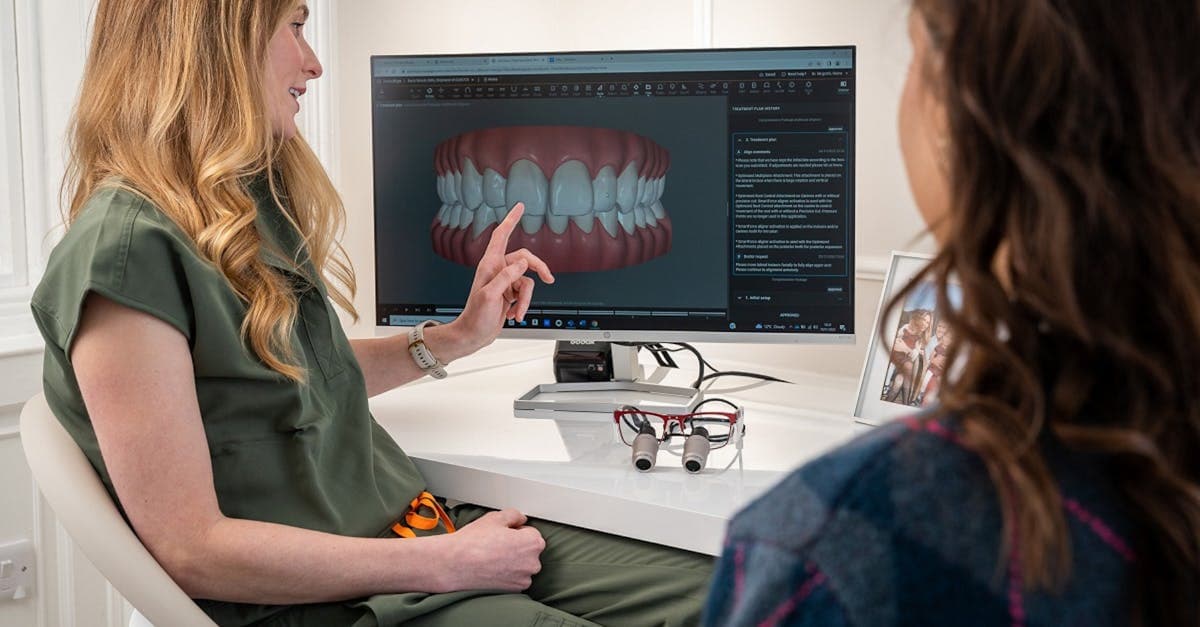
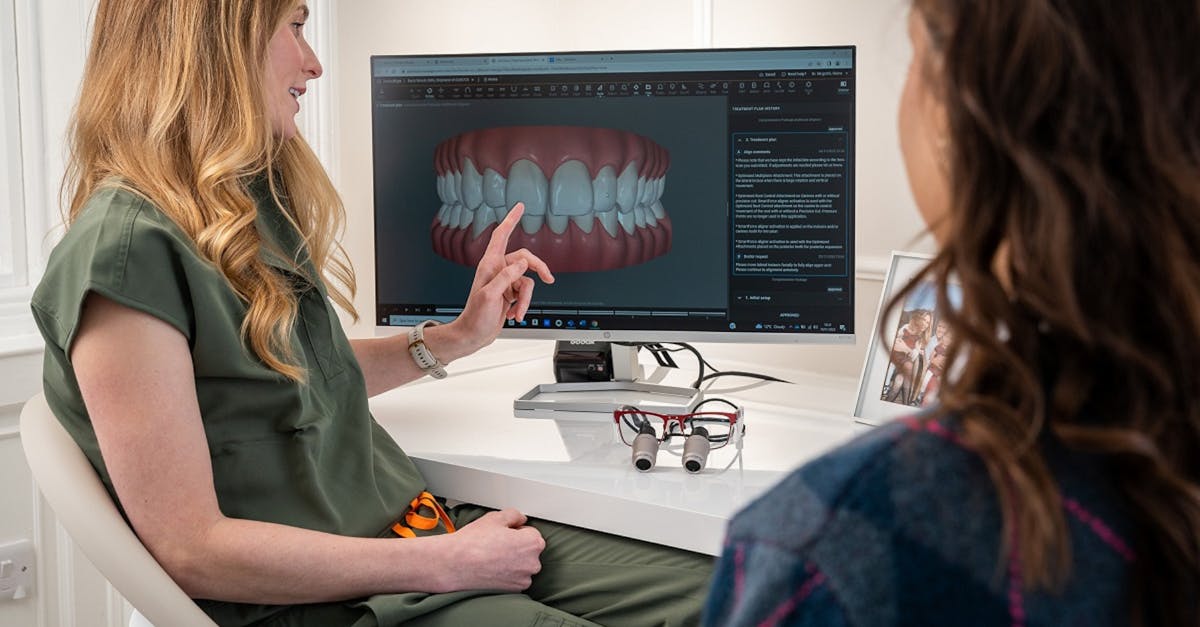
A proper candidacy review should include digital scans, bite analysis, X-rays, and a discussion of oral health. If a provider offers a treatment quote without examining bone support, roots, or gum condition, that is a red flag. Tooth movement in a mouth with active periodontal disease can create bigger problems than crooked teeth ever did.
Signs you may be a strong candidate include:
- Mild to moderate alignment issues
- Healthy gums and good bone support
- Willingness to wear trays 20 to 22 hours daily
- Interest in a discreet treatment option
- Jaw pain or clicking
- Severe bite problems
- Missing teeth affecting alignment
- History of gum disease or frequent cavities
What Invisalign Really Costs and What Drives the Price
Invisalign pricing varies widely, and shoppers are often confused because advertised numbers rarely reflect the final bill. In the United States, comprehensive Invisalign treatment commonly falls between about 3000 dollars and 8000 dollars, with many cases landing somewhere in the 4500 to 7000 dollar range. Simpler limited-treatment cases may cost less, while complex plans involving refinements, attachments, elastics, or longer treatment windows may cost more.
The price is not just about the trays. You are paying for diagnosis, treatment planning, office visits, provider expertise, digital imaging, refinements, and retention strategy. In a major metro area, fees are usually higher than in smaller cities because overhead is higher. Orthodontists who handle difficult bite cases every day may also charge more than general dentists who offer aligners as one service among many.
What usually affects cost most:
- Case complexity and expected number of aligners
- Provider experience and credentials
- Geographic location
- Whether retainers and refinements are included
- Insurance coverage and financing options
| Cost Factor | Typical Impact on Price | What to Ask |
|---|---|---|
| Mild alignment case | Lower overall fee | Is this limited treatment or comprehensive? |
| Complex bite correction | Higher fee | Are refinements and elastics included? |
| Urban specialist practice | Often higher | What follow-up visits are included in the quote? |
| Insurance benefit | Can reduce out-of-pocket cost | Will your office submit and estimate my benefit? |
| Retainers after treatment | May be included or separate | How many retainers come with the final fee? |
How to Choose the Right Provider, Not Just the Right Brand
One of the most overlooked truths about Invisalign is that the product matters less than the person planning the tooth movement. Invisalign is a tool. Your provider decides how that tool is used, where attachments go, when refinements are needed, and whether your bite is improving or just your front teeth are straightening. A polished website or a discount offer tells you almost nothing about that skill.
Orthodontists generally receive additional years of specialty training in tooth movement and bite correction beyond dental school. That does not mean every general dentist is a poor choice, but it does mean case complexity should influence whom you trust. If your needs are mostly cosmetic and minor, a well-trained dentist may be perfectly appropriate. If your bite is off, your teeth are crowded significantly, or previous orthodontic work relapsed, specialist evaluation is often worth it.
Ask direct questions at your consultation:
- How many Invisalign cases do you complete each year?
- Have you treated cases similar to mine?
- Will I see before-and-after examples of comparable patients?
- What happens if I need refinements?
- Who monitors my progress, and how often?
Comparing Invisalign With Braces and At-Home Aligners
Buyers should not evaluate Invisalign in isolation. The real decision is usually between Invisalign, traditional braces, and lower-cost at-home aligner companies. Each option solves a different problem, and confusion happens when people compare them as if they are interchangeable.
Invisalign sits in the middle ground between aesthetics and professional oversight. It offers discreet treatment with doctor-guided planning, which is why many adults see it as the premium convenience option. Traditional braces remain the most powerful tool for certain complex movements. They are visible, but they do not rely on patient discipline in the same way because they stay on the teeth full-time. At-home aligners appeal on price and convenience, yet they generally offer less diagnostic depth and less hands-on supervision.
Pros of Invisalign compared with braces:
- Less noticeable in photos and meetings
- Easier eating and oral hygiene
- Often fewer emergency appointments
- Requires consistent wear discipline
- Some movements are less predictable without refinements
- Attachments and elastics can reduce the cosmetic advantage
- Better for many complex bite and rotation cases
- No temptation to remove them
- Often more effective when compliance is a concern
- More visible
- Food restrictions are stricter
- Cleaning is more difficult
| Option | Best For | Main Advantage | Main Limitation |
|---|---|---|---|
| Invisalign | Adults and teens wanting discreet treatment with supervision | Appearance plus professional monitoring | Requires strong wear compliance |
| Traditional braces | Complex alignment and bite correction | High control for difficult movements | Most visible option |
| At-home aligners | Very mild cosmetic alignment cases | Lower upfront cost and convenience | Reduced diagnostics and clinical oversight |
Key Takeaways: Practical Tips Before You Commit
If you are close to saying yes to Invisalign, this is the stage where a few smart questions can save time, money, and frustration. Start by separating cosmetic wants from functional needs. Straighter front teeth may look great, but if your bite remains unstable, long-term satisfaction can suffer. A treatment plan should improve appearance and support healthy function.
Use this checklist before signing a contract:
- Get a full exam with scans or impressions, X-rays, and bite evaluation
- Ask whether your case is minor, moderate, or complex
- Confirm whether refinements are included in the quoted price
- Check if retainers are included at the end of treatment
- Ask how many hours per day you must wear trays and what happens if you fall behind
- Review financing, insurance benefits, and cancellation terms in writing
Conclusion
Invisalign can be an excellent investment when the case selection is right, the provider is skilled, and the patient is realistic about the commitment. The smartest way to buy is to look past the promise of invisible treatment and evaluate the full picture: candidacy, total cost, provider experience, supervision level, and long-term retention. Before you decide, book at least one thorough consultation, ask for a written breakdown of what is included, and compare it against your goals and habits. If you know you will wear trays consistently and want a discreet, professionally guided option, Invisalign may be your best fit. If your case is more complex or compliance is a concern, braces may deliver a more predictable result.
Published on .
Share now!
RM
Ryan Mitchell
Author
The information on this site is of a general nature only and is not intended to address the specific circumstances of any particular individual or entity. It is not intended or implied to be a substitute for professional advice.