Published on:
7 min read
Unlocking the Secrets of Himalayan Pink Salt: A Natural Treasure for Health and Flavor
Himalayan pink salt is more than just a flavorful seasoning; it holds a wealth of health benefits and culinary potential. This post explores its origins, uses, and advantages, making it a cherished addition to your diet.
The Origin of Himalayan Pink Salt
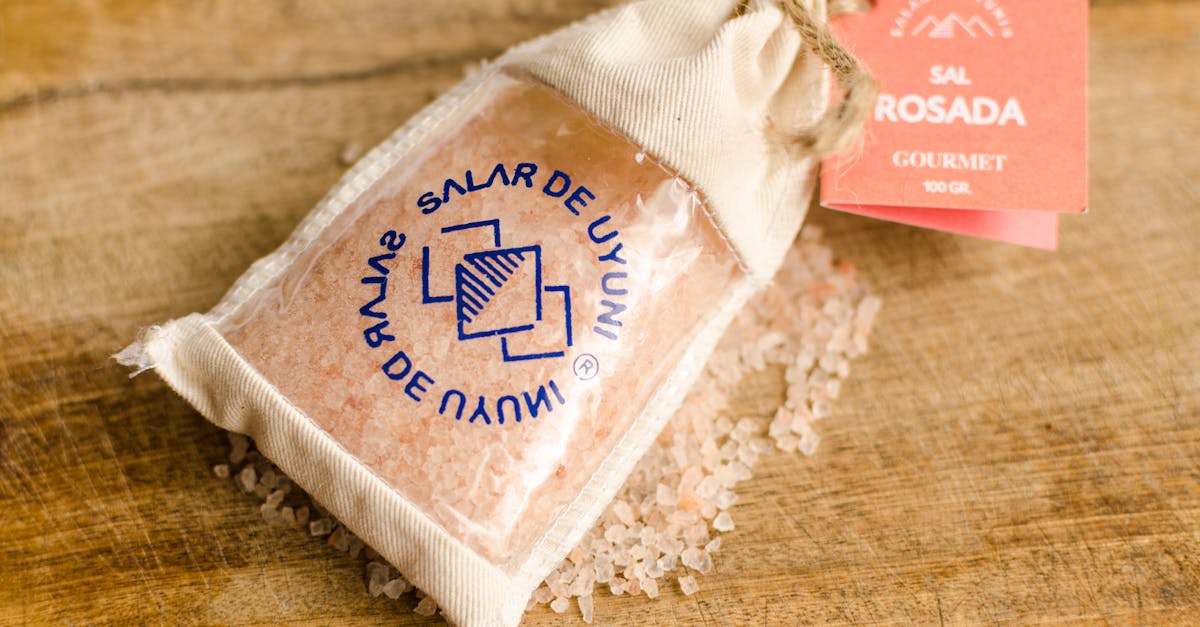
Himalayan pink salt, harvested from the Khewra salt mine in Pakistan, is a geological wonder with a history dating back millions of years. This incredible salt forms from ancient seas that evaporated, leaving behind a rich deposit of minerals. Unlike regular table salt, Himalayan pink salt undergoes minimal processing, retaining its natural state and diverse color palette. Its striking pink hue comes from the presence of iron oxide and a variety of trace minerals, making each crystal a visual feast. This salt has not only become popular for its unique taste but also for the health benefits attributed to its mineral content, positioning it as a desirable choice for health-conscious consumers.
Health Benefits of Himalayan Pink Salt
Himalayan pink salt is praised for its numerous health benefits. Rich in over 80 minerals, including calcium, magnesium, and potassium, it can help in maintaining electrolyte balance in the body. Many advocates claim that it aids in hydration by helping absorb water more effectively. Additionally, it may support respiratory health by acting as a natural antihistamine. Some studies suggest that it can even help reduce symptoms of asthma and allergies. Beyond these benefits, people also use it in detox baths, where the salt is dissolved in warm water to promote relaxation while absorbing trace elements through the skin. This makes Himalayan pink salt a versatile ingredient not just for cooking but also for enhancing wellness.
Culinary Uses of Himalayan Pink Salt
In the culinary world, Himalayan pink salt is celebrated for its exquisite flavor and texture. Its unique crystalline structure allows it to be used in various forms – from fine to coarse grains, making it suitable for various cooking methods. Chefs and home cooks alike utilize it for grilling, baking, and even serving dishes on salt blocks, which impart a subtle saltiness while adding visual appeal. When ground into finer particles, it can be used as a direct substitute for regular salt in recipes. The salt’s delicate taste enhances the natural flavors of meats, vegetables, and even desserts, allowing for creativity in the kitchen. Its eye-catching pink hue not only elevates dishes visually but also inspires a culinary adventure.
Conclusion
Himalayan pink salt is indeed a treasure trove of health benefits and culinary charm. With its rich history and versatile uses, it's a valuable addition to anyone's pantry. Embrace this natural gift and enhance your meals while nurturing your health—unlock the secrets of Himalayan pink salt and make it a staple in your kitchen!
Published on .
Share now!