Published on:
7 min read
Exploring Hope: Breakthroughs in Depression Clinical Trials
Recent clinical trials have unveiled promising breakthroughs in the treatment of depression, igniting hope for millions affected by this condition. Innovative therapies and approaches are paving the way for effective solutions that could change lives.
New Frontiers in Antidepressant Research
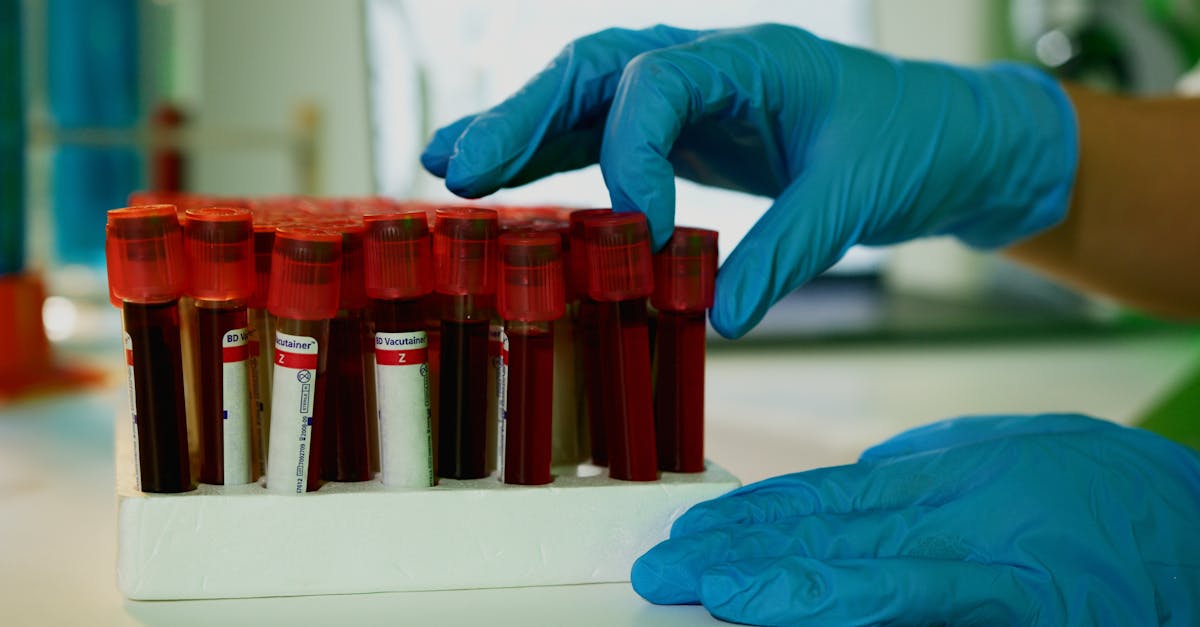
The landscape of antidepressant research is changing rapidly, with many promising compounds advancing through clinical trials. A notable breakthrough is the emergence of fast-acting antidepressants like ketamine and its derivatives. These treatments can alleviate symptoms within hours, unlike traditional SSRIs that may take weeks to show effects. Their unique mechanism, targeting glutamate receptors in the brain, offers a new pathway for understanding and treating depression. Such rapid response is crucial, as many individuals suffer from acute depressive episodes and require urgent relief. Further research is ongoing to fully understand the long-term effects of these treatments and refine their use.
The Role of Digital Therapeutics
In addition to pharmacological advancements, digital therapeutics have gained traction as a viable option for depression treatment. These include mobile applications and online programs designed to deliver cognitive behavioral therapy (CBT) tools directly to users. Clinical trials show that individuals who engage with these platforms often experience significant reductions in symptoms. The accessibility and convenience of digital therapeutic solutions make them particularly appealing, allowing for personalized treatment plans that can be adapted to fit an individual's lifestyle. As technology continues to evolve, it is expected that these tools will become an integral part of comprehensive mental health care.
Integrating Lifestyle Modifications
Emerging research emphasizes the importance of a holistic approach when treating depression. Clinical trials indicate that integrating lifestyle modifications, such as exercise, nutrition, and mindfulness practices, can significantly enhance treatment outcomes. Regular physical activity has been shown to improve mood and reduce anxiety by releasing endorphins and other neurochemicals. Furthermore, a balanced diet rich in omega-3 fatty acids and antioxidants supports brain health and may augment the effects of traditional therapies. Mindfulness and meditation practices can also foster emotional resilience and provide coping strategies. Combining these elements with conventional treatments presents a more comprehensive model for addressing depression.
Conclusion: A Brighter Future for Depression Treatment
The advancements in clinical trials for depression are paving the way for more effective and timely interventions. As researchers continue to explore new therapies, the integration of digital health tools and lifestyle changes can offer hope for improved outcomes. With ongoing commitment and innovation, the future of depression treatment looks promising, fostering the possibility of recovery for countless individuals.
Published on .
Share now!