Published on:
10 min read
Epoxy Floor Coating: Best Buying Guide and Tips
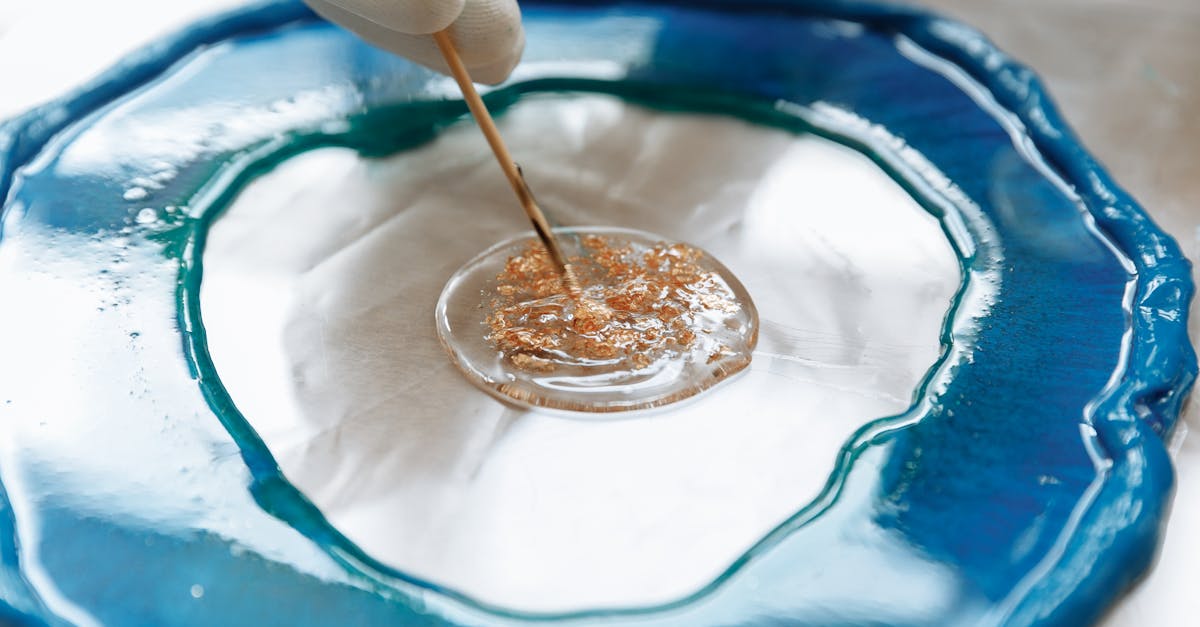
Choosing an epoxy floor coating sounds simple until you start comparing solids content, cure times, hot-tire resistance, slip additives, and whether your concrete is even ready to accept a coating. This guide breaks down the decisions that actually matter before you spend hundreds or thousands of dollars on a garage, basement, workshop, or commercial floor. You’ll learn how to evaluate epoxy types, why surface prep usually determines success more than the product label, what realistic costs look like for DIY versus professional installation, and how to avoid the most common failures such as peeling, bubbling, and yellowing. I also cover where epoxy performs well, where alternatives like polyaspartic or polyurea may make more sense, and the practical maintenance habits that keep a coated floor looking sharp for years. If you want a floor that is durable, easy to clean, and worth the investment, this article gives you a clear, real-world roadmap.
- •Why epoxy floor coating is popular and where it actually makes sense
- •How to choose the right epoxy system for your space
- •Cost, durability, and buying options compared
- •The make-or-break step: preparing concrete the right way
- •Application tips that prevent peeling, bubbles, yellowing, and slippery floors
- •Key takeaways: smart buying tips, maintenance habits, and when to consider alternatives
- •Conclusion
Why epoxy floor coating is popular and where it actually makes sense
Epoxy floor coating has become a go-to upgrade for garages, basements, workshops, light commercial spaces, and even showrooms because it solves three problems at once: dust control, stain resistance, and appearance. Bare concrete slowly sheds fine dust, absorbs oil and chemicals, and tends to look worn even when it is structurally sound. A quality epoxy system seals the surface, makes cleanup easier, and can dramatically improve light reflection. In practical terms, that means less sweeping, fewer permanent oil stains, and a brighter room without adding extra fixtures.
In residential garages, epoxy is often chosen because it stands up well to dropped tools, road salt, tire traffic, and occasional spills. A two-car garage of roughly 400 to 500 square feet is a common project size, and that is where homeowners start to notice the value difference between cheap store kits and professional-grade systems. In commercial settings, the appeal is slightly different. Warehouses, service bays, and retail back rooms use epoxy because it creates a smoother, easier-to-sanitize surface than raw concrete.
Still, epoxy is not ideal everywhere. It performs best on stable, properly cured concrete with low moisture vapor transmission. If your slab has chronic moisture issues, freeze-thaw damage, or active cracking, coating over it will not magically fix the underlying problem.
Pros:
- Excellent resistance to oil, gasoline, many cleaners, and abrasion
- Easier cleaning than bare concrete
- Improves appearance and brightness
- Can last 5 to 15 years depending on traffic and prep
- Surface prep is labor-intensive and non-negotiable
- Some formulas yellow in UV exposure
- Slippery when wet unless an anti-slip additive is used
- Poor moisture conditions can cause peeling
How to choose the right epoxy system for your space
The biggest buying mistake is assuming all epoxy coatings are basically the same. They are not. The most important differentiators are solids content, number of components, cure speed, chemical resistance, and whether the product is intended as a thin coating, a build coat, or a decorative broadcast system. Many inexpensive DIY kits sold in big-box stores are water-based or lower-solids formulas. They are easier to roll on and have less odor, but they typically produce a thinner film and lower long-term durability than 100 percent solids professional epoxies.
As a rule of thumb, lighter-duty residential use can often be served by a good water-based or solvent-based epoxy, while high-traffic garages, workshops, and commercial spaces benefit from higher-solids systems. A 100 percent solids epoxy creates a thicker, harder coating, but it also has a shorter working time and demands better application discipline.
Look beyond marketing phrases and check the technical data sheet. Key numbers include:
- Solids by volume: higher usually means thicker coverage per coat
- Recommended dry film thickness: often measured in mils
- Pot life: how long you have to work once mixed
- Recoat window: critical if you are applying primer, color coat, and topcoat
- Hot-tire resistance and compressive strength
- VOC level if ventilation is limited
Cost, durability, and buying options compared
Budget planning for epoxy flooring should include more than the coating itself. Surface prep tools, crack filler, degreaser, etching or grinding supplies, rollers, spike shoes, anti-slip media, and topcoat materials can significantly change the real price. For DIY homeowners, entry-level kits often start around $100 to $250 for a one-car garage equivalent, but a stronger multi-coat system with better prep materials can land closer to $2 to $5 per square foot. Professional installation commonly ranges from about $4 to $12 per square foot, with premium decorative systems or extensive concrete repair pushing costs higher.
The durability spread is just as wide. A low-cost kit applied over poorly prepped concrete may start peeling within 12 to 24 months, especially where hot tires sit. By contrast, a mechanically ground slab coated with primer, body coat, flake broadcast, and UV-stable topcoat can last 8 to 15 years in a typical residential garage.
One useful way to compare value is annualized cost. If a 450-square-foot garage costs $2,700 professionally and lasts 10 years, that is roughly $270 per year before maintenance. If a $350 DIY kit fails after two years, the annual cost is lower on paper, but the labor and frustration usually make it a false economy.
The table below summarizes realistic buying paths for common users. Treat it as a decision framework rather than a price guarantee, because labor markets and regional product availability vary widely.
| Option | Typical Cost Per Sq. Ft. | Best For | Expected Lifespan | Main Tradeoff |
|---|---|---|---|---|
| Basic DIY water-based epoxy kit | $1 to $2.50 | Light-use garages, storage rooms | 1 to 3 years | Thin film and lower durability |
| Mid-grade DIY multi-coat epoxy system | $2 to $5 | Home garages, workshops | 3 to 7 years | More prep and application skill required |
| Professional epoxy plus flake system | $4 to $8 | Most residential garages | 8 to 12 years | Higher upfront cost |
| Premium pro system with UV-stable topcoat | $7 to $12+ | Showrooms, commercial, high-end garages | 10 to 15 years | Best results but most expensive |
The make-or-break step: preparing concrete the right way
If epoxy flooring has a secret, it is this: failure is usually a prep problem, not a paint problem. Most peeling, bubbling, fisheyes, and patchy adhesion issues trace back to oil contamination, laitance on the concrete surface, moisture vapor, or insufficient profile. Coating manufacturers know this, which is why their installation instructions devote so much space to prep and testing.
Start with a moisture check. A simple plastic sheet test can provide a rough screening, but for expensive projects, calcium chloride or relative humidity testing is smarter. If moisture vapor emission is too high, standard epoxy may delaminate. Next, inspect the slab for oil spots, tire residue, old sealers, and weak top layers. Degreasing alone is rarely enough if a slab has years of automotive contamination.
Mechanical grinding is generally the gold standard because it opens the pores of the concrete and creates the profile epoxy needs to bite into. Acid etching is sometimes used for DIY projects, but it is less consistent and can leave residue if not fully neutralized and rinsed. Cracks and spalls should be repaired with compatible fillers before coating, especially if you want a clean final appearance.
A realistic prep checklist looks like this:
- Remove everything from the area and clean thoroughly
- Test for moisture and contamination
- Grind or mechanically profile the slab
- Vacuum all dust with a proper shop vacuum or HEPA unit
- Repair cracks, pits, and joints as needed
- Confirm temperature and humidity are within product specs
Application tips that prevent peeling, bubbles, yellowing, and slippery floors
Once the slab is ready, application becomes a race against chemistry and environmental conditions. Most two-part epoxies begin curing as soon as resin and hardener are mixed, and pot life can be surprisingly short, sometimes 20 to 40 minutes depending on temperature. That is why experienced installers stage tools, map the room in sections, and mix only what they can spread immediately.
Temperature matters more than many buyers expect. Concrete that is too cold can slow cure and trap amine blush. Concrete that is hot can shorten working time and create roller marks. Many products perform best when air and slab temperatures sit roughly between 60 and 85 degrees Fahrenheit, but always follow the exact technical data sheet.
For garages, a full system often includes primer, pigmented body coat, optional flake broadcast, scrape and vacuum, then a clear topcoat. The topcoat is not just cosmetic. It can improve abrasion resistance, add UV stability, and let you tune gloss and texture. If slip resistance matters, especially in areas that see rain or snowmelt, add aluminum oxide or polymer grit to the topcoat.
Common failure points to avoid:
- Mixing partial ratios incorrectly, which leads to soft or uncured spots
- Overapplying product beyond recommended spread rate
- Coating over a damp slab or during high humidity
- Skipping the recoat window and compromising intercoat adhesion
- Parking on the floor before full cure, which may take several days
- Better prep equipment and faster installation
- More consistent finish and broadcast coverage
- Usually includes warranty support
- Higher cost
- Quality varies by contractor
- Scheduling can be limited in peak seasons
Key takeaways: smart buying tips, maintenance habits, and when to consider alternatives
If you want the best value from an epoxy floor coating, buy the system backward: start with your slab condition and usage, then choose the chemistry. A home gym basement has different needs than a garage that sees snow-packed trucks and jack stands. If the floor gets direct sunlight for long periods, epoxy alone may not be the best finish coat. In those situations, polyaspartic or polyurethane topcoats often outperform standard epoxy on UV stability.
Here are the practical tips worth bookmarking:
- Read the technical data sheet before buying, not after opening the box
- Prioritize mechanical prep over cosmetic add-ons
- Budget for crack repair, primer, and topcoat from the start
- Use anti-slip media in garages, pool houses, or utility rooms
- Ask contractors what profile they create on the concrete and how they test moisture
- Be skeptical of one-day miracle systems unless you understand the chemistry and warranty terms
- Clean spills early, especially brake fluid, solvents, and battery acid
- Use soft wheels or mats under heavy stands and metal equipment when possible
Conclusion
A successful epoxy floor project comes down to four decisions: choosing the right system, confirming the concrete is suitable, preparing the slab correctly, and applying the coating within the manufacturer’s specifications. Get those right, and you can end up with a floor that looks sharper, cleans faster, and lasts for years under real traffic. Get them wrong, and even expensive materials can fail early.
Before you buy, inspect the slab, define how the space is used, compare product data sheets, and decide honestly whether the job fits your DIY skill level. If you are hiring a contractor, ask about grinding, moisture testing, topcoats, and warranty coverage. The next best step is simple: measure your space, set your performance priorities, and shortlist two or three systems that match them.
Published on .
Share now!
DP
Daniel Porter
Author
The information on this site is of a general nature only and is not intended to address the specific circumstances of any particular individual or entity. It is not intended or implied to be a substitute for professional advice.