Published on:
7 min read
Empowering Lives: The Essential Role of Senior Care Assistants
Senior care assistants play a vital role in enhancing the quality of life for elderly individuals. They provide not only physical support but also emotional and social connections which are essential for healthy aging.
Understanding the Role of Senior Care Assistants
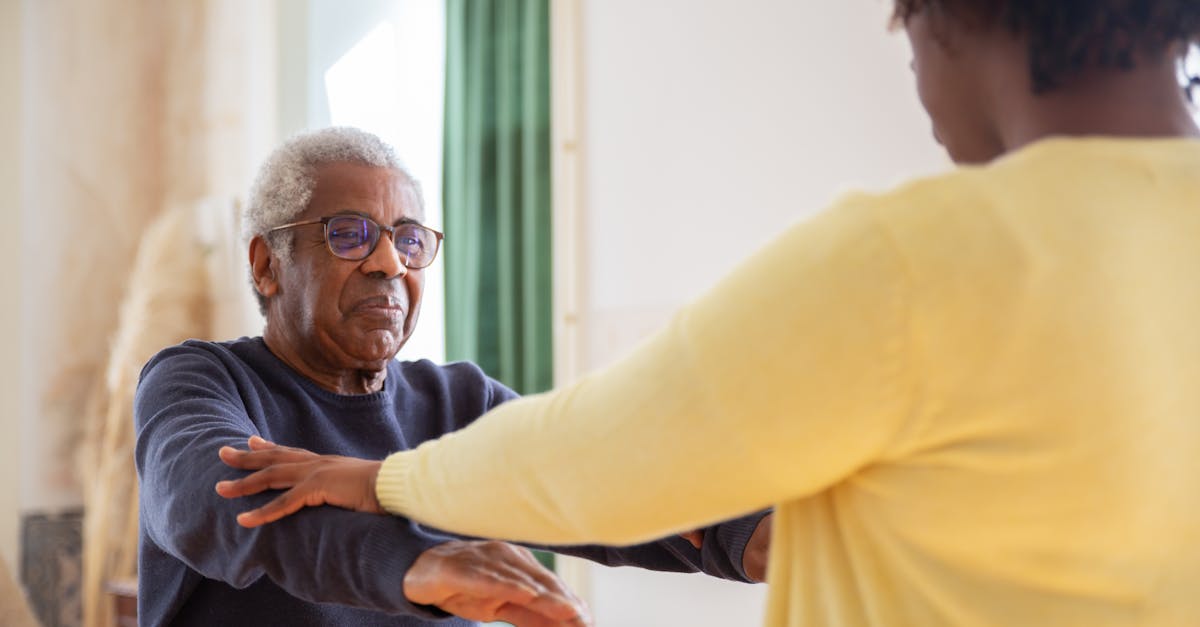
Senior care assistants are more than just caregivers; they are advocates for the elderly. Their primary responsibilities include assisting with daily activities such as bathing, dressing, and meal preparation. However, their impact extends beyond physical assistance. They often act as companions, offering emotional support and reducing feelings of loneliness. This companionship is crucial, as many seniors face social isolation. Understanding this dual role helps highlight the importance of their contributions, both to individual well-being and to the healthcare system as a whole.
The Skills That Make a Difference
Being a senior care assistant requires distinct skills and qualities that significantly improve the lives of the elderly. Empathy, patience, and excellent communication are essential traits that allow assistants to build trusting relationships with their clients. Additionally, training in first aid and knowledge of age-related health issues can empower them to react effectively in emergencies. Continuing education and skill development ensure that senior care assistants stay up-to-date on best practices, further enhancing the level of care provided. Their competence and sensitivity can transform care into a truly supportive experience.
The Emotional Impact of Senior Care Assistants
The emotional well-being of seniors is often overlooked, yet it is a fundamental aspect of health. Senior care assistants create a safe space for elderly individuals to express their feelings and share their stories. By encouraging open communication and fostering relationships, they help reduce anxiety and depression, leading to improved mental health. Engaging in activities, whether it be playing games, going for walks, or simply sharing a conversation, is invaluable. These interactions not only enrich the lives of seniors but also empower them to embrace their golden years with dignity and joy.
Conclusion
In conclusion, senior care assistants are essential in promoting a better quality of life for the elderly. Their multifaceted roles encompass physical care, emotional support, and social interaction, ensuring that seniors feel valued and connected. By recognizing and empowering these caregivers, we can improve the living conditions for our aging population, fostering a community that respects and cherishes its elders.
Published on .
Share now!