Published on:
10 min read
Distressed Properties: 7 Smart Buying Tips That Save More
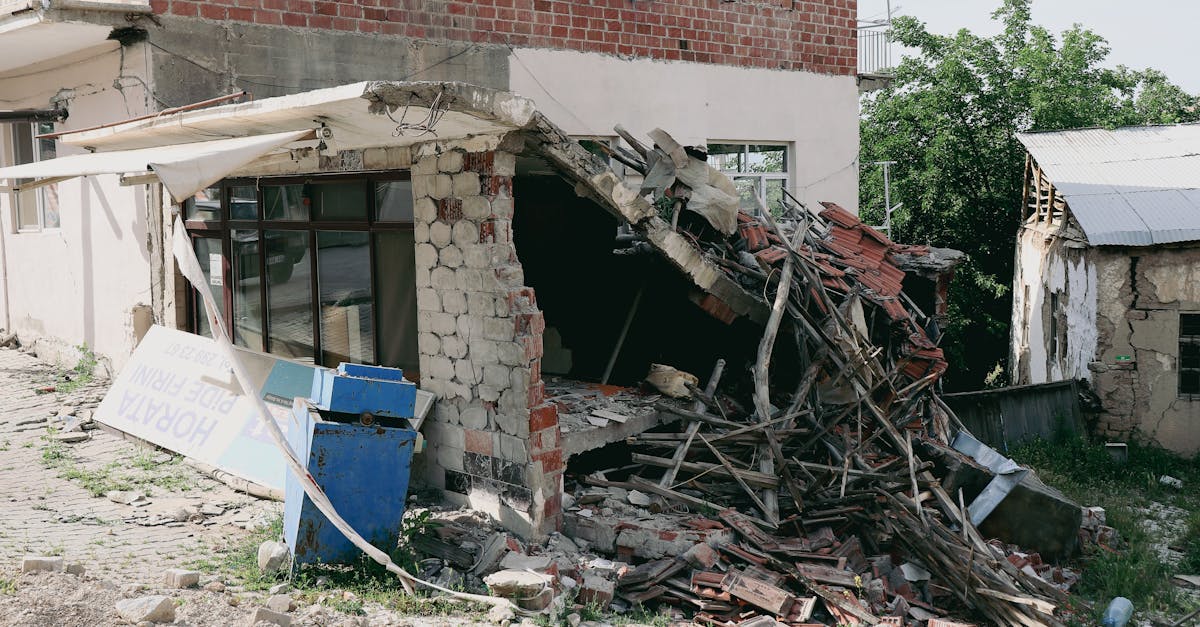
Buying a distressed property can create real wealth, but it can also destroy your budget if you underestimate repairs, title problems, or financing friction. This guide breaks down seven practical buying tips that experienced investors and owner-occupants use to reduce risk and preserve margin, from understanding the exact type of distress to building a repair budget with contingency and negotiating from verified facts instead of emotion. You’ll learn how foreclosure timelines, auction rules, contractor bids, neighborhood resale data, and lender standards change the math on these deals. The article also explains why distressed homes are not automatically “cheap,” how to spot the difference between cosmetic neglect and structural trouble, and when to walk away even after investing time in due diligence. If you want a more disciplined, numbers-first approach to finding savings in distressed real estate, this is the framework to use.
- •Why distressed properties can save money, and why they often don’t
- •Tip 1 and Tip 2: Know the type of distress and run the neighborhood numbers first
- •Tip 3 and Tip 4: Inspect aggressively and build a repair budget with a real contingency
- •Tip 5: Match the financing to the property’s condition and your timeline
- •Tip 6 and Tip 7: Negotiate with evidence, verify title risk, and know when to walk away
- •Key Takeaways: a practical checklist for buying distressed properties wisely
Why distressed properties can save money, and why they often don’t
Distressed properties attract buyers for a simple reason: they can be purchased below the price of comparable move-in-ready homes. In many U.S. markets, a home needing heavy repair may trade at a discount of 10 to 30 percent compared with renovated properties nearby, though the spread varies widely by inventory levels and local demand. That discount is the headline, but not the full story. A cheap purchase price can disappear fast when you add roof replacement, electrical updates, permit delays, insurance complications, and months of carrying costs.
A distressed property usually falls into one of several categories: pre-foreclosure, bank-owned or REO, estate sale, tax-defaulted property, or a home suffering from deferred maintenance because the owner lacked cash. Each type has a different risk profile. An REO might have clearer title but stronger competition from investors. A pre-foreclosure may allow better access for inspection but involve delicate negotiations with a stressed seller.
Why this matters: the best savings usually come not from buying the most damaged house, but from buying the most mispriced problem. Cosmetic neglect, outdated finishes, overgrown landscaping, and poor listing photos often create better opportunities than severe foundation failure.
Pros of distressed property buying:
- Potentially lower acquisition cost
- Less competition from retail buyers afraid of repairs
- Opportunity to create equity through renovation
- Hidden defects can erase profit
- Financing can be harder or more expensive
- Timelines are unpredictable, especially with legal or title issues
Tip 1 and Tip 2: Know the type of distress and run the neighborhood numbers first
Your first smart move is identifying exactly why the property is distressed. A house in pre-foreclosure is different from one abandoned for three winters with burst pipes. An inherited property with outdated interiors may need paint, flooring, and debris removal. A lender-owned home might have been vacant long enough to develop mold, vandalism, or plumbing issues. If you cannot classify the distress, you cannot price the risk.
Your second move is to analyze the neighborhood before falling in love with the deal. Pull comparable sales from the last three to six months, ideally within half a mile and similar in square footage, bed-bath count, lot size, and school district. If renovated homes nearby sell for $340,000 and the distressed home is listed at $240,000, that looks promising. But if realistic repairs total $75,000, closing costs and financing add $18,000, and resale concessions take another $12,000, the spread narrows quickly.
A simple investor rule is the after-repair value approach. Many flippers use a version of the 70 percent rule: pay no more than 70 percent of after-repair value minus repairs. It is not universal, especially in expensive markets, but it creates discipline. On a home worth $350,000 after renovation with $60,000 in repairs, that formula suggests a maximum purchase around $185,000.
Why this matters: buyers often overestimate renovation value and underestimate neighborhood ceiling prices. A beautifully renovated house still cannot outrun a weak block, poor school assignment, or high local inventory.
Before touring seriously, check:
- Median days on market
- Price per square foot for renovated comps
- Local crime and flood data
- Permit activity and investor competition
Tip 3 and Tip 4: Inspect aggressively and build a repair budget with a real contingency
Distressed property buyers save money by being better at due diligence than everyone else in the room. A standard home inspection is useful, but on truly distressed homes it is rarely enough. Bring specialists when the warning signs justify it: structural engineer for cracks and settlement, roofer for aging systems, HVAC technician for dead equipment, plumber for old supply lines or sewer scope, and electrician for outdated panels or unsafe wiring. Spending $1,500 to $3,000 on inspections can prevent a $25,000 surprise.
The biggest beginner mistake is budgeting repairs by guesswork. Experienced buyers break the job into line items: demolition, dumpsters, framing, roofing, windows, plumbing, electrical, HVAC, drywall, flooring, kitchen, baths, paint, permits, landscaping, and holding costs. Then they add contingency. For cosmetic rehab, 10 percent may work. For older homes, especially pre-1960 properties, 15 to 20 percent is safer because lead paint, asbestos, knob-and-tube wiring, and hidden water damage are common.
Consider a practical scenario. You buy a dated 1,600-square-foot home thinking it needs $40,000 in updates. Once walls open, the electrical panel fails code, subfloor rot appears around a leaking tub, and the sewer line has root intrusion. The final bill becomes $63,000. Without contingency, your expected savings are gone.
Pros of detailed inspections and budgeting:
- More accurate offers and fewer emotional decisions
- Better leverage during renegotiation
- Reduced chance of running out of cash mid-project
- Upfront diligence costs can feel high
- Some sellers refuse inspection periods in competitive situations
- Contractor bids can still move with labor and material prices
Tip 5: Match the financing to the property’s condition and your timeline
Financing is where many distressed-property deals fail. Traditional mortgages work best when a home is safe, habitable, and financeable under lender guidelines. If the property lacks a functioning kitchen, has broken windows, major leaks, or missing mechanical systems, a conventional loan may be denied even if the purchase price looks attractive. Buyers then scramble for alternatives and lose the deal.
This is why your fifth tip is to align financing with actual property condition before you make an offer. Owner-occupants often look at FHA 203(k) or Fannie Mae HomeStyle renovation loans, which combine purchase and repair funds. Investors may use hard money, private capital, cash-out funds from another property, or local bank portfolio loans. Cash remains powerful at auctions and for homes with severe issues, but “cash only” does not automatically mean “best deal.” The carrying cost of expensive short-term money can eat savings quickly.
For example, borrowing $220,000 from a hard-money lender at 11 percent interest plus 2 points can cost more than $30,000 in financing expense over a year once fees and extension charges are included. That may still work on a strong flip, but not on a marginal one.
Key financing tradeoffs:
- Renovation loans: lower rates, more paperwork, slower closing
- Conventional loans: cheaper money, but stricter condition standards
- Hard money: speed and flexibility, but high cost
- Cash: strongest negotiating position, but ties up liquidity
Tip 6 and Tip 7: Negotiate with evidence, verify title risk, and know when to walk away
Distressed sellers and asset managers hear low offers constantly. The ones that get taken seriously are backed by evidence. Your sixth tip is to negotiate using inspection findings, contractor bids, permit records, and nearby sold comps, not vague statements like “it needs work.” If your roofer estimates $14,800, your electrician quotes $9,200, and sold homes in renovated condition support an after-repair value of only $315,000 rather than the seller’s hoped-for $345,000, your offer becomes credible.
The seventh tip is even more important: verify title and legal risk early, then be willing to walk away. Distressed homes can come with unpaid property taxes, mechanics liens, probate complications, HOA balances, code violations, or occupancy issues. In foreclosure and auction settings, buyers sometimes receive limited disclosures and little recourse after closing. A title search and real estate attorney review may cost a fraction of what one missed lien can cost later.
A real-world example: a buyer wins an auction at $180,000 expecting a quick cleanup and resale. After closing, they discover $11,000 in delinquent taxes, a $7,500 municipal lien, and an unresolved occupant issue that delays possession for two months. What looked like instant equity turns into negative monthly burn.
Reasons to walk away:
- Repair estimates exceed your all-in budget threshold
- Title issues are unresolved or poorly documented
- The seller blocks inspections or access without a meaningful discount
- Your financing approval depends on assumptions that may not hold
Key Takeaways: a practical checklist for buying distressed properties wisely
If you want distressed properties to save you money rather than drain it, use a repeatable checklist. The goal is not to become the most aggressive bidder. It is to become the most informed one. Buyers who consistently do well in this niche usually make decisions in the same order every time: identify the distress type, confirm neighborhood resale limits, inspect hard, budget line by line, choose financing deliberately, and negotiate only after the numbers are documented.
Here is a practical framework you can apply immediately:
- Define the exit plan before offering. Are you living in it, renting it, or reselling it within 12 months?
- Use recent comparable sales, not listing prices, to estimate value.
- Get at least two contractor opinions on major systems if the rehab is substantial.
- Add 10 to 20 percent contingency based on age and condition.
- Include holding costs such as insurance, utilities, taxes, loan interest, lawn care, and vacancy.
- Order title work early, especially for foreclosure, estate, and tax-distressed deals.
- Set a maximum purchase price and do not revise it upward without new evidence.
Published on .
Share now!
ES
Ethan Summers
Author
The information on this site is of a general nature only and is not intended to address the specific circumstances of any particular individual or entity. It is not intended or implied to be a substitute for professional advice.