Published on:
8 min read
Belly Button Hernias: Understanding Symptoms, Causes, and Treatment Options
Belly button hernias, or umbilical hernias, occur when tissue protrudes through an opening in the abdominal muscles. This post explores the symptoms, causes, and treatment options available for this common condition.
What is a Belly Button Hernia?
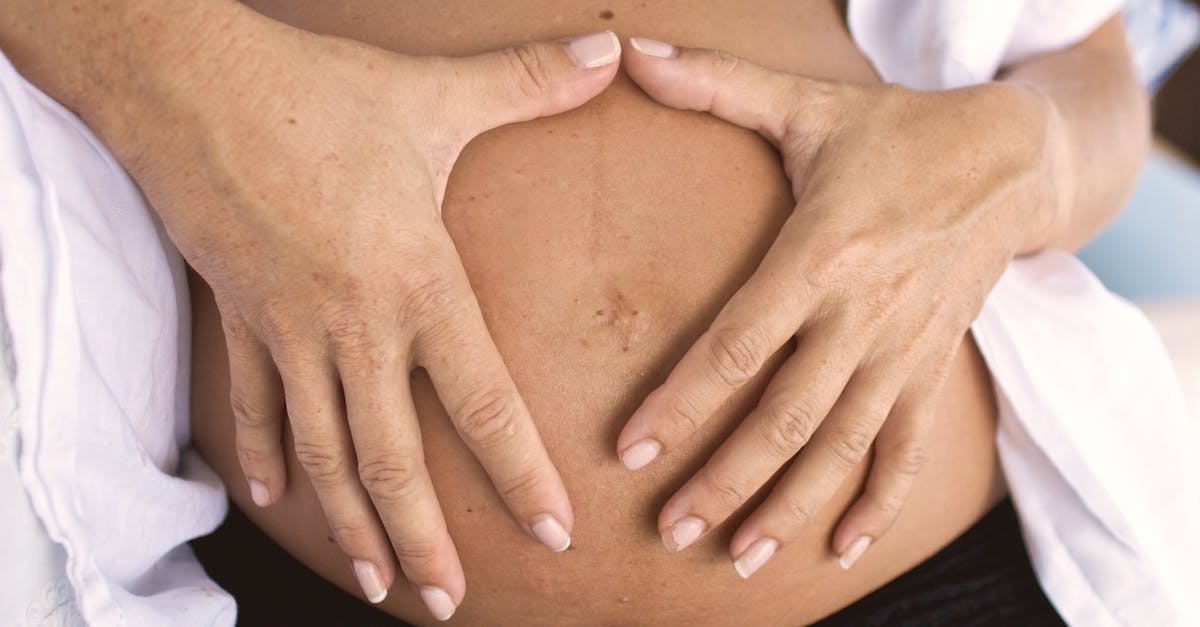
A belly button hernia, medically known as an umbilical hernia, is a condition where part of the intestine or fatty tissue bulges through the abdominal wall near the belly button. This type of hernia is particularly common in infants and children, but adults can also develop them, especially if they have risk factors such as obesity or a history of abdominal surgery. Recognizing the signs early can lead to better outcomes, as untreated hernias may lead to complications. Typically, umbilical hernias are noticeable as soft lumps around the navel that may become more pronounced when coughing, crying, or straining.
Common Symptoms to Watch For
The symptoms of a belly button hernia can vary but often include a noticeable bulge in or near the belly button, discomfort or pain—especially when lifting or straining, and occasional nausea or vomiting if the hernia becomes incarcerated (trapped). For infants, symptoms may include excessive crying or fussiness, particularly when lying down. In adults, it may be accompanied by a feeling of fullness or pressure in the abdomen. If you notice any of these symptoms, especially any changes in your ability to pass gas or stool, it is essential to consult a healthcare professional promptly.
Causes of Belly Button Hernias
Belly button hernias are primarily caused by a combination of increased pressure within the abdomen and a weakness in the abdominal wall. In infants, this condition can occur due to a congenital defect where the abdominal wall doesn't close completely during development. In adults, factors such as obesity, extensive straining while lifting heavy objects, chronic cough, and prior surgical scars can contribute to the risk. Pregnant women also face a heightened risk as the growing uterus puts more pressure on the abdominal wall. Recognizing these causes can help in preventive strategies and lifestyle changes.
Treatment Options and Recovery
Treatment for belly button hernias generally depends on the size of the hernia and the severity of symptoms. In infants, many small umbilical hernias resolve on their own without intervention by the age of 1 to 2. However, if an adult hernia is symptomatic, surgical intervention is usually recommended. This can involve either open surgery or laparoscopic techniques, depending on the case's complexity. Post-surgery recovery typically includes rest, gentle movement, and avoiding heavy lifting for a specified time. Understanding the treatment process can mitigate fears and set proper expectations for recovery.
Conclusion
Belly button hernias are common and often manageable with proper awareness and treatment. Knowing the symptoms and causes is essential for early detection and effective management. For those affected, seeking medical advice promptly will ensure a clear path to recovery and improvement in overall health.
Published on .
Share now!