Published on:
4 min read
By Chloe Adams · Seasonal Living Contributor
10 Steps to Prepare Your Garden for the Winter Months
Preparing my garden for winter is like a seasonal ritual that helps maintain its charm through the colder months. Here's my detailed approach, grounded in trial and error over the years.
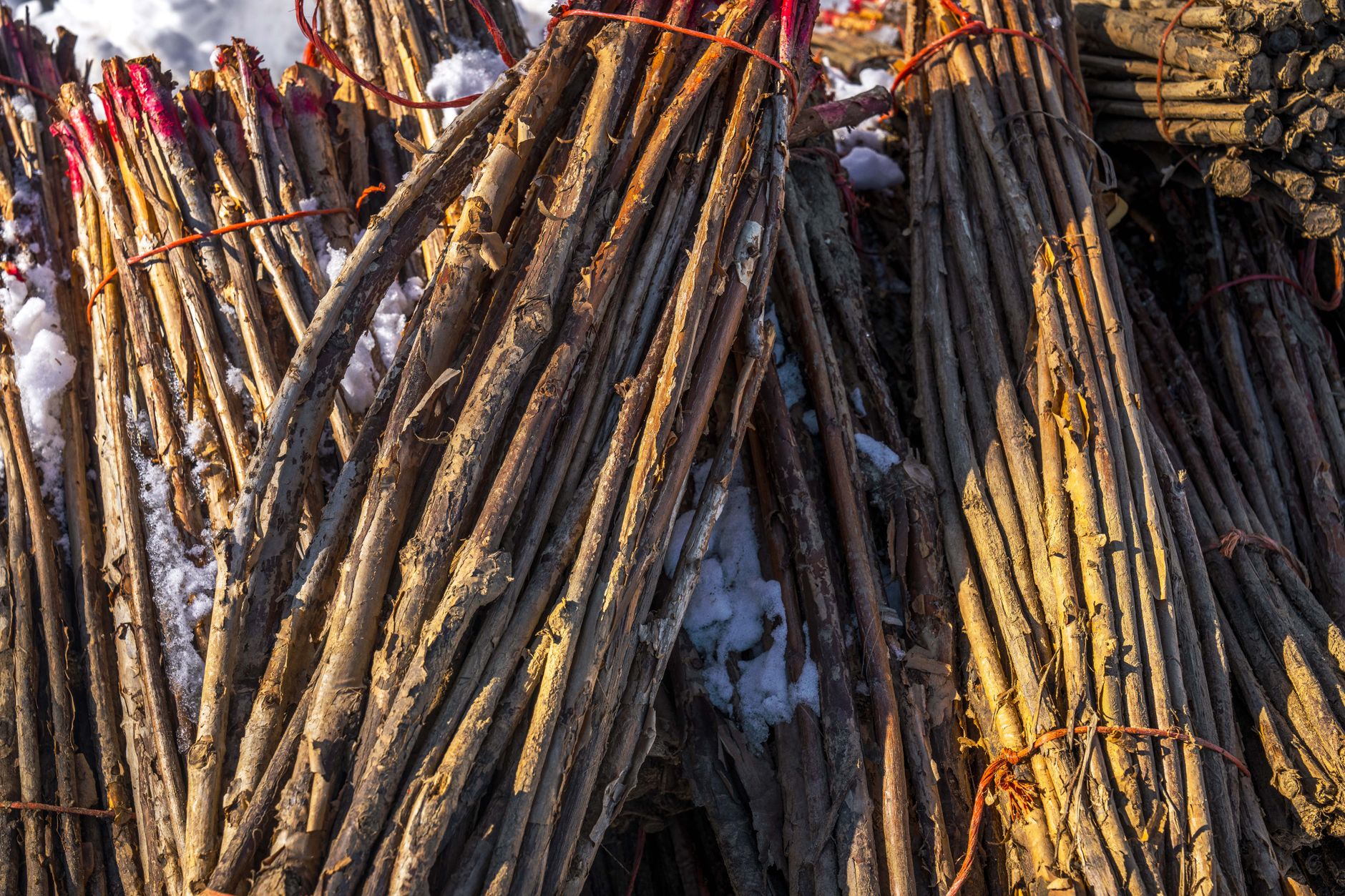
The Importance of Winter Garden Prep
Every autumn, as the leaves turn golden and the air gets crisp, I start thinking about how to protect my garden from the impending winter chill. My first few attempts were an amalgam of trial and error, often leaving me with frostbitten plants come spring. Over the years, I've honed my strategy into a more reliable routine. In this article, I'm sharing how you can shield your garden through the colder months, ensuring it remains a welcoming outdoor space even when the temperatures drop. The goal here is not just survival but setting up your garden for a thriving start in spring.
Starting with a Clean Slate
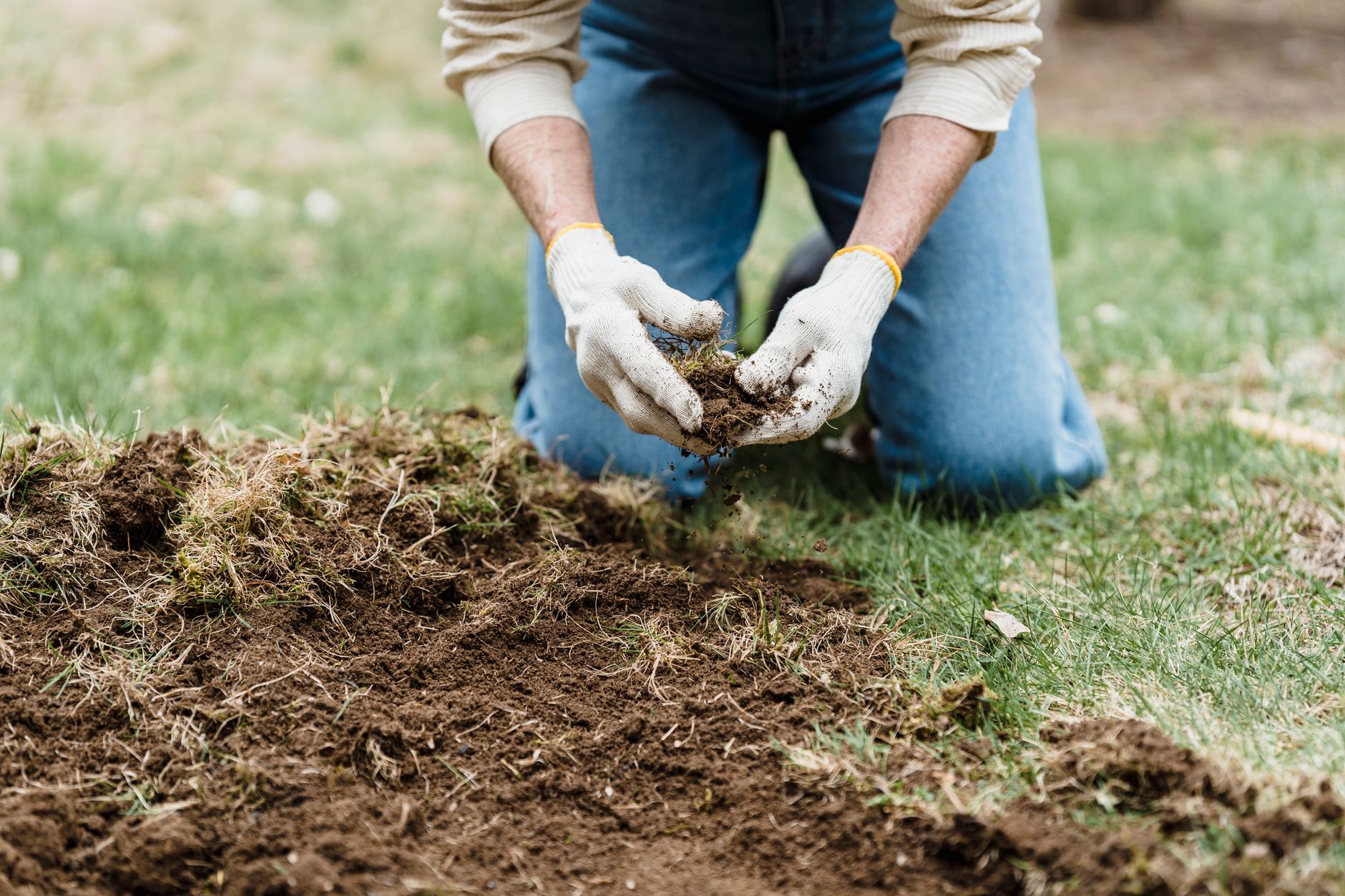
One of the first lessons I learned was the importance of starting with a tidy garden. The task begins in early November when I dedicate a full Saturday to raking leaves, trimming perennials, and pulling any weeds. I once skipped this step, thinking the mulch would cover any imperfections. Big mistake! I ended up with a breeding ground for pests. By investing about 5 hours to clean up, I set the stage for a healthier garden. I use a sturdy rake for leaves, garden shears for trimming, and a wheelbarrow to cart away the debris. The reward is a garden bed ready to face the winter.
In one instance, I discovered that leaving fallen branches and leaves can harbor insects that might damage new growth in spring. This cleaning process also allows me to inspect the soil and plants for any diseases or infestations that might be best handled before winter sets in. I can honestly say this is the backbone of my winter preparation.
Protecting Sensitive Plants
Some of my garden's inhabitants need extra care. The first winter I lost my lavender to frostbite because I underestimated the cold. Now, I cover these delicate plants with burlap – a breathable material that prevents moisture build-up – as the first frost approaches. A 15-meter roll costs me around $30, but it's a worthy investment. I also use straw mulch around the base of tender plants for added insulation. This process, though a bit time-consuming, with about an hour per plant, has proven invaluable for their survival.
I've also experimented with other materials, such as old bedsheets and specially designed plant 'jackets'. Each has its pros and cons, but burlap consistently emerges as my go-to for balancing protection with breathability. One year, I tried plastic sheeting which, while cheap, led to mold issues because it trapped too much moisture. This hands-on experience taught me that the material choice is crucial in winter protection.
Comparing Garden Covers
Choosing the right cover for your plants can be daunting. Here's a comparison of my top three choices, based on effectiveness, cost, and ease of use. Over several seasons, I've tried different materials to see what works best under various conditions, including heavy snow and mild winters.
| Material | Effectiveness | Cost |
|---|---|---|
| Burlap | High | $30 per 15m roll |
| Fleece Blankets | Medium | $20 per blanket |
| Plastic Sheeting | Low | $15 per roll |
Step-by-Step Winter Garden Checklist
Here's my step-by-step checklist for prepping your garden:
- Clear debris and dead plant material from garden beds.
- Trim perennials back to about 6 inches above the soil.
- Add a 2-3 inch layer of mulch to insulate soil.
- Water thoroughly before the ground freezes.
- Cover sensitive plants with burlap.
- Store garden hoses to prevent freezing.
- Check and repair garden tools, storing them properly.
- Bring potted plants indoors or into a sheltered space.
- Clean and secure garden furniture.
- Plan for early spring planting by reviewing seed catalogs.
FAQs on Winter Garden Prep
Q: When should I begin winterizing my garden?
I typically start once the first frost warning is issued, usually around mid-to-late October. Timing can vary depending on your local climate, but the key is to be ready before the frost sets in.
Q: Can I use leaves as mulch?
Yes, but shred them first. Whole leaves can mat and prevent moisture from reaching the soil. I've found that a layer of shredded leaves also enriches the soil as they break down over winter.
Q: How do I protect young trees?
Wrap the trunks with tree wrap to prevent sunscald and temperature damage. I usually start from the base and work my way up to the first branches, ensuring the wrap is snug but not too tight.
Q: Is it necessary to water plants in winter?
Watering is crucial before the ground freezes to ensure roots are hydrated. A deep soak is often enough to sustain them through the cold months, reducing the risk of dehydration-related stress.
EditorialOur Take
Winter garden preparation is a labor of love that pays off each spring when new shoots emerge. It's not for the faint of heart, as it requires dedication and a bit of elbow grease. However, the peace of mind I get knowing my garden is snug and ready for winter is worth every minute spent. This guide is perfect for anyone who cherishes their outdoor space year-round. It's not for those seeking a quick fix or looking to cut corners, but for those willing to invest the time and care their garden deserves. The sense of accomplishment and the visual rewards in spring are testament to the preparation effort.
Published on .
Share now!

Chloe Adams
Seasonal Living Contributor
Chloe Adams covers seasonal living for Annyblog, from spring resets to cozy winter routines. She likes marking the seasons at home in small, low-effort ways. Chloe writes about enjoying each season without turning it into a project. Chloe uses AI tools to research, draft, and help keep these articles accurate.
More from Chloe →The information on this site is of a general nature only and is not intended to address the specific circumstances of any particular individual or entity. It is not intended or implied to be a substitute for professional advice.
Get our best tips in your inbox
A short, practical email now and then. No spam, and you can unsubscribe anytime.